MercoPress. South Atlantic News Agency



Antarctica heavy fuels ban effect on Falklands’ tourism to be impressed on London
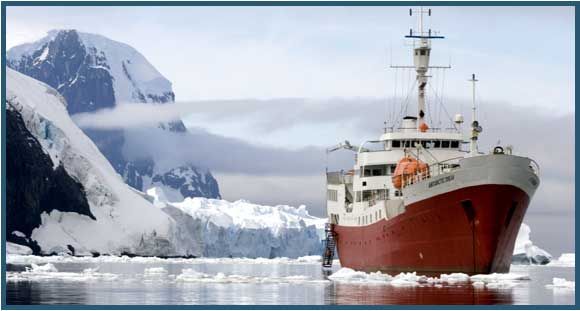 The Cruise Lines International Association predicts great reduction in trade if Antarctica segment has to be cancelled.
 The potential catastrophic effect of the Antarctic heavy fuel oil ban on the Falkland Islands economy is to be impressed on the British Government by Falklands’ politicians.
A spokesperson for the Falkland Islands Government said today, “...as a result of the announcement in March 2009 that the Bulk Liquids and Gas sub-committee of the International Maritime Organization approved the ban on use of heavy fuels in the Antarctic region, the FIG Policy Unit and the Falkland Island Tourist Board have assessed the potential impacts of the ban on the Falkland Island economy.
”Whilst Executive Council recognize the huge environmental benefits of such a ban in the Antarctic region, Members agreed that the Foreign and Commonwealth Office be made aware of the potential impacts upon the Falkland Island economy and requested that any ban recognizes that time will be required for the cruise industry to adapt to these new rules.”
There has been a great deal of concern in the Antarctic cruise tourism community since the announcement in March and the Cruise Lines International Association (CLIA) predicts a 50% or greater reduction of large vessel Antarctic-segment cruises. Similarly, some small and mid-size non-CLIA vessels may also be forced to vacate the market entirely due to the economics associated with the ban.
CLIA says that if affected large cruise vessel operators cannot include an Antarctic segment as part of their South American cruises, the overall marketability of these southern hemisphere cruises will be diminished. The ban will affect many cruise operators whom the Antarctic Treaty Parties authorize, as well as the tourism infrastructure and the many ports in South America, notably Chile and Argentina. The overall cost to these port economies is estimated to be in the millions of dollars annually.
Currently CLIA, now with the support of the Falkland Islands Government has requested that if the IMO chooses to ban the use of IFO and heavier grade fuels without consideration for the economic impact, that they place the implementation date for July 1, 2013 which would allow the current market to adjust to the new requirement that stipulates the use of fuel that is around two to two and a half times the prices of the current fuels utilized.
By Lisa Johnson - SeAledPR - Stanley


Top Comments
Disclaimer & comment rules-

Read all commentsThis is a classic case where joint pressure from the Tourism Departments and Governments of Falklands-Argentina-Chile should be made to drive home the issue that time is needed for the industry to change and survive.
Jul 03rd, 2009 - 03:43 am 0Commenting for this story is now closed.
If you have a Facebook account, become a fan and comment on our Facebook Page!