MercoPress. South Atlantic News Agency


Brazil warns countries that have banned imports of beef because of atypical BSE
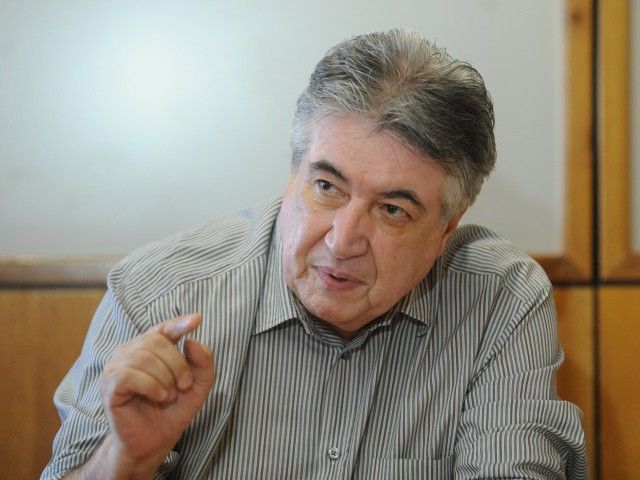 Enio Marques Pereira: ‘March is the deadline’, or Brazil will file a complaint at WTO
 The world’s top beef exporter, Brazil, will give countries that curbed imports of its beef after a case of mad cow disease until March to drop the measures or it will file a complaint at the World Trade Organization, farm ministry officials said.
Five countries have implemented full or partial bans on Brazilian beef imports since confirmation this month of a case of atypical bovine spongiform encephalopathy (BSE), or mad cow disease, in a cow that died in 2010.
Atypical BSE cases can occur spontaneously in elderly cattle and the 13-year-old animal in the Brazilian case never developed full-blown BSE, testing instead positive for a protein that is the causal agent of mad cow disease.
Brazil had previously launched a diplomatic offensive to fend off restrictions over the death of the cow in the southern state of Parana which was confirmed only this month by Brazilian authorities.
But now Brazil has promised to take retaliatory action against countries rejecting its beef, saying there are no grounds for such action.
“March is the deadline,” said Enio Marques Pereira, Secretary for Animal and Plant Health at Brazil’s farm ministry, after a meeting at the World Organization for Animal Health (OIE) headquarters Friday.
Officials stressed Brazil has kept its status as a country presenting negligible BSE risk under an OIE classification, and that OIE norms consider safe for consumption products like red meat and gelatine, even when BSE has been declared in a country.
The Brazilian cow in question never entered the food chain.
Countries that suspended Brazilian beef imports include Egypt and Saudi Arabia which rank among Brazil’s top 10 beef buyers, but Marques said the economic impact so far was “very low”, noting that Egypt was only banning meat from the region where the BSE case occurred.
The other countries which have imposed temporary bans are South Africa, Japan and China.
The OIE welcomed the fact that Brazil had managed to detect the atypical case in a national herd of more than 200 million, though logistical problems at a laboratory delayed the analysis of the animal’s tissue since its death in 2010.
“We’re rather reassured by the fact that Brazil reported this case,” Bernard Vallat, director general of the OIE, said.
He stressed that an end to the use of cattle feed containing matter from ruminant animals had succeeded in nearly eradicating BSE after tens of thousands of cases in the 1980s and 1990s, mostly in Britain.
Brazilian beef exports declined 14% in 2011, to 820.239 tons, establishing it as the world’s third largest beef exporter behind Australia and the US, according to Global Trade Atlas.
Middle East countries have become the main client for Brazil’s beef.
The Middle East was the largest region for Brazilian beef shipments in 2011, with Iran (130.649 tons), Egypt (96.937 tons), Saudi Arabia (27.951 tons) and Israel (15.937 tons) all taking substantial volumes.


Top Comments
Disclaimer & comment rules-

-

-

Read all commentsFirst paragraph:
Dec 26th, 2012 - 09:15 am 0“The world’s top beef exporter, Brazil”
Second last paragraph:
“world’s third largest beef exporter behind Australia and the US”
Either way, it gives you great faith that even though it was one cow, it was still reported.
@1
Dec 26th, 2012 - 11:11 am 0I agree, but you have to remember the hysteria that accompanied the original outbreaks and how we would ALL be contaminated with Creutzfeldt-Jakob disease (CJD), even if we did not die of it.
Politically, people are frightened of their electorate thinking they are not taking adequate precautions about their health.
I think Brasil acted completely correctly in this matter and it is a pity it has turned out like this. I wonder if they will be as open should another case be found.
The politics of trade is an ugly business and uglier when the times are tough. I agree Brazil acted correctly. But it they decide to conceal another case and it turns out the be wider, they will spend forever trying to sell their beef again. I would rather deal with the politics of trade than reputation mending.
Dec 26th, 2012 - 11:37 am 0Commenting for this story is now closed.
If you have a Facebook account, become a fan and comment on our Facebook Page!