MercoPress. South Atlantic News Agency

Argentine retail sales plunge amid wage crisis
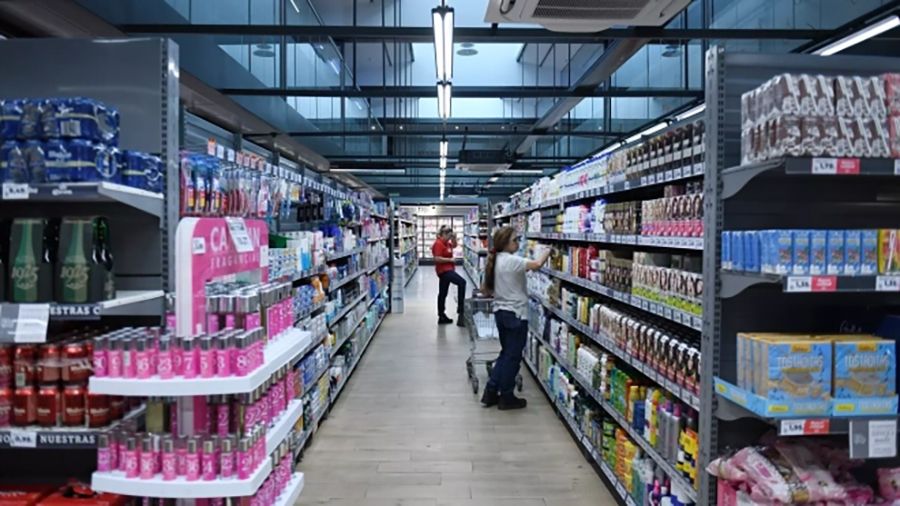 The current crisis hit Argentina's middle class the hardest
 Retail sales by small and medium-sized enterprises (SMEs) in Argentina continued their negative trend in November, recording a sharp decline of 9.1% compared to October and a year-on-year drop of 4.1%, according to the Argentine Confederation of Medium-Sized Enterprises (CAME).
The data released during the long weekend consolidated a negative cycle dating back to May. Despite the recent declines, the cumulative sales figure for the year remains positive, up 3.4% compared to the same period in 2024.
Six of the seven sectors surveyed by CAME reported year-on-year falls in November, signaling a broad contraction in household consumption.
Perfumery contracted 17% interannually and 14.6% against the previous month due to marked inflationary acceleration hitting sector prices; followed by Bazaar & Decoration (9.7% and 10.0% from October), given financing restrictions and rising cost of credit for durable goods; while Food & Beverages recorded 5.9% drops both yoy and monthly as a consequence of households losing their purchasing power in a persistent inflationary context.
Furthermore, Textiles & Clothing fell 4.3% and 8.8% respectively as consumers were forced to postpone their wardrobe renewal in a critical scenario.
Hardware & Construction shrank 3.2% and 13.1%, Footwear & Leather Goods 1.7% and 12.9%. On the other hand, pharmaceuticals went up 1.8% year on year despite a 9.1% decline from the previous month.
The retail slump is mirrored by a growing pessimism among business owners. While 54.2% of surveyed businesses reported year-on-year stability, the proportion reporting a deterioration in conditions rose to 37%, a four-percentage-point increase from October.
The investment climate remains highly unfavorable, with 60.1% of businesses assessing the current context as poor for capital expenditures.
Moreover, seven out of 10 Argentine workers earn below the poverty line, according to a study by the University of Buenos Aires' (UBA) Gino Germani Institute, which found 72% of workers making less than AR$1 million (around US$690), with a Total Basic Basket standing at AR$1,213,799.
Even among registered wage earners, 58% do not reach the $1 million threshold, and nearly one in five formally employed workers fall below the poverty line. The situation is drastically worse in the informal sector, where 89% of unregistered employees struggle to cover basic expenses, the survey noted. The severe loss of purchasing power is forcing fundamental changes in household behavior:
In this context, at least 12% of employed individuals now hold at least two jobs to supplement their income. Utility rates (electricity, gas, water) have ballooned from representing 4% of the median wage in 2023 to 11% in 2025 following subsidy reductions, forcing many to cut back on essential services.
In total, approximately 9.7 million people—67% of the economically active population—face employment issues ranging from underemployment to very low-income jobs, compounding the crisis reflected in the retail sector data.
Separately, a report from the Instituto Argentina Grande (IAG) revealed a severe economic strain on Argentine households, with nearly half of all families resorting to drastic measures to make ends meet. Nearly 48% of Argentine households had to use debt or savings to cover monthly expenses in the second quarter of 2025. This figure rose to 53% among middle-class households. One in four households (25%) specifically went into debt to cover their costs, surpassing the previous high recorded in 2024. In addition, 35% of households used personal savings to cover needs, a figure that reached 40% among the middle class. Plus, 9% of households sold personal belongings.


Top Comments
Disclaimer & comment rulesCommenting for this story is now closed.
If you have a Facebook account, become a fan and comment on our Facebook Page!