MercoPress. South Atlantic News Agency


The Best Medical Alert Systems In Canada: What’s Available Today
 Photo: Life Assure
 It can be challenging to find the right medical alert system, especially for a loved one who may be vulnerable and elderly. Canadians have access to more personal emergency response technology than ever before, which offers seniors and other vulnerable members of society excellent security, independence, and peace of mind.
Many choices range from traditional in-home units to a modern wearable unit that tracks your location via GPS. However, with so many offers, it is essential to know what is on offer and what matches your needs.
These days, there are medical alert systems that can help you in an emergency, but also don’t interrupt anybody’s daily life. So families can feel assured that whoever needs help will be able to get it.
In this article, you'll discuss the best medical alert systems in Canada and their key features, benefits, and considerations that can help you decide confidently.
1. In-Home Medical Alert Systems
To begin with, medical alert systems designed for use in the home remain a popular choice for people who spend most of their time indoors. Wearable alert devices generally comprise a base station that connects to either a landline or cellular network, along with a lightweight emergency button.
When users press the button, they are immediately connected to a trained monitoring professional who can send help.
In Canada, seniors and caregivers often look closely at what medical alerts are available in Canada to ensure they match their specific needs and living environments. This comparison helps families choose systems that deliver both comfort and peace of mind.
Using wireless technology, a wide range of monitoring products can now be utilised in and around the home to support older adults. Due to these upgrades, seniors who enjoy the comfort of their home benefit from reliable protection without interrupting their daily routines.
Also, in-home units are generally less costly than more sophisticated mobile systems, which may make them more appealing to families. Despite their low cost, they still provide dependable 24/7 monitoring. Therefore, these systems offer an affordable yet highly effective safety solution for individuals who primarily stay at home.
2. Mobile Medical Alert Systems
Nowadays, more people are living healthy and active lifestyles, and mobile medical alert systems have grown in popularity. The devices are worn as a pendant or used in a small portable unit wherever there is cellular coverage. This mobility lets seniors move around freely, whether to visit friends, shop, or travel, while always having emergency help.
Many mobile devices are GPS-enabled, which allows monitoring teams to determine the exact location of the user during an emergency. Especially useful when time is urgent, this feature proves handy.
Furthermore, mobile systems are designed with automatic fall detection, meaning that help will be sent even if you are unable to press the button.
Mobile medical alert systems offer freedom with safety. They are great for those who like to be independent but who also need some added security.
3. Wearable Smart Technology
Wearable innovative technology has changed the medical alert industry over the last few years in Canada. The latest smartwatches and health-monitoring gadgets come with emergency alert capabilities.
A heart-rate monitor, step tracker, or medication reminder in these watches can prove helpful. All three are found in watches with emergency alert buttons, which doctors extensively use.
Furthermore, as such devices are more attractive and discreet in nature, users feel more comfortable wearing them daily. With increased comfort, the device is likely to be worn consistently, and this improves safety.
Some wearable systems are even intelligent enough to detect unusual activity and a sudden fall and notify emergency services without any action from the user. Smart wearables are thus adding a fresh spin to personal safety.
4. Fall Detection Technology
Fall detection technology is a must-have for many families due to the fact that falls are still one of the significant injury causes in Canadian seniors. Fall detection devices can sense a fall because they can detect a fall using an algorithmic sudden movement. Once the alert is detected, it generates a notification to the monitoring centre for fast assistance.
It is beneficial in situations when the person is unconscious, confused, or unable to access their smartphone. Although fall detection can be inaccurate and may sometimes lead to false alarms, it is essential for people at high risk. As a result, many families in Canada look for this.

Photo: Life Assure
5. Professional Monitoring vs. Self-Monitoring
When choosing a medical alert system, another option to consider is professional monitoring versus self-monitoring. When an emergency system is activated, trained agents respond to the call and assess the situation. Thus, during emergency service, these services provide comprehensive insurance.
Self-monitoring systems will send alerts to family members or caregivers through alerts on a smartphone. Though it is likely to be cheaper, it does depend on contacts to get back to you. So, families have to choose which method is better for their family budget and lifestyle.
It does not matter which option you choose, as long as they are used consistently and responsibly, both types of monitoring provide peace of mind.
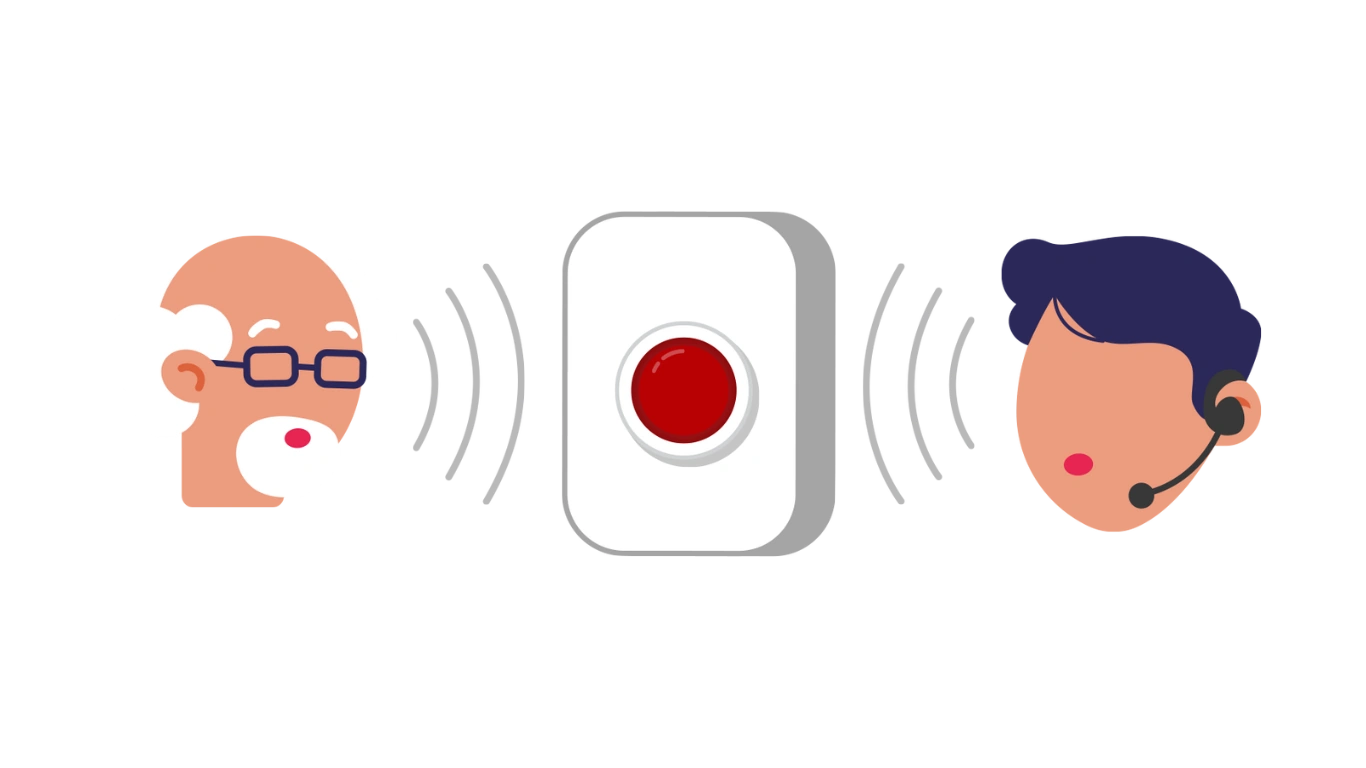
Photo: Life Assure
6. Cost Considerations and Value
Cost plays a vital role in the selection of a medical alert system. Prices can vary significantly based on features, monitoring type, and equipment. In most cases, the cheapest systems are in-home, and mobile and wearable smart devices are the most expensive.
Still, you should see them as investments in safety and independence. Changing over to a different option may also be beneficial as needs change.
A residence user can start on an in-home system and later use their mobile device as they fall into it. So, it’s important to consider flexibility and long-term value when assessing options.
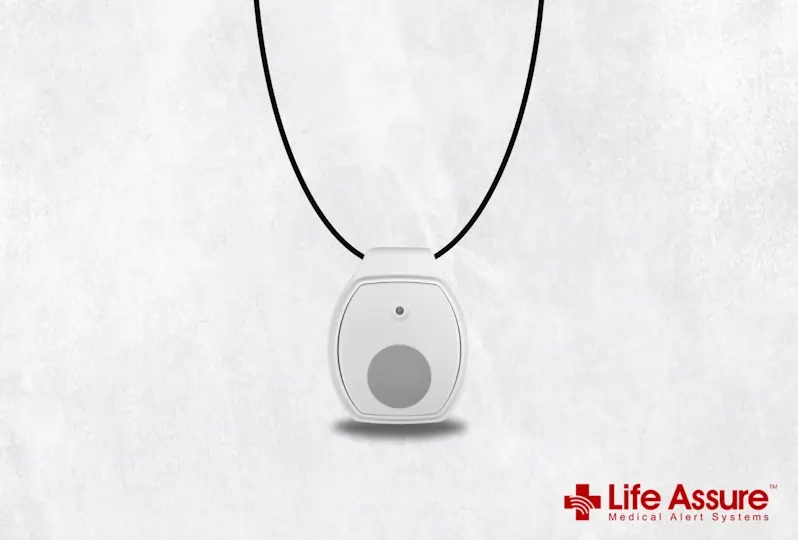
Photo: Life Assure
Summary
Picking the best medical alert system in Canada depends on understanding individual needs, lifestyle habits, and personal preferences. Families can choose from a wide-ranging selection of in-home, mobile, and wearable solutions available today, offering secure and independent solutions.
In addition, these devices are becoming more intuitive, discreet, and responsive as technology advances, so that help is always near.


Top Comments
Disclaimer & comment rulesCommenting for this story is now closed.
If you have a Facebook account, become a fan and comment on our Facebook Page!