MercoPress. South Atlantic News Agency
No end in sight for São Paulo's water crisis
 If reservoir levels do not stabilize by January, the system will enter the “most critical forecast”
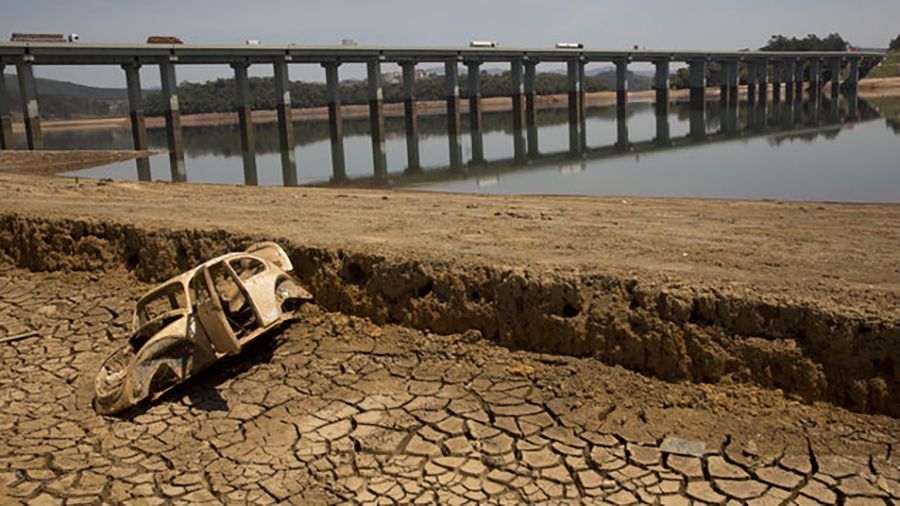
 São Paulo, Latin America's most populous metropolitan area, is facing a historic hydrological crisis as three consecutive years of drought have pushed critical reservoirs to near-depletion. With the Jaguari-Jacareí dam —the primary source for nine million residents— dropping below 18% capacity, authorities have escalated contingency measures to prevent a total system failure.
The Greater São Paulo area, home to nearly 22 million people, is grappling with the cumulative effects of a rainfall deficit that has reached its lowest point in ten years. The Cantareira water system, the region's backbone, is currently operating at less than 20% of its total capacity.
In response, the São Paulo State government and the utility provider, Sabesp, implemented a rigorous contingency plan in October, with pressure in pipes lowered for up to 16 hours a day, coupled with rotating supply prepared as a final resort should dam levels reach zero. In this scenario, the regulatory bodies Arsesp and SP Águas have frozen all restriction-lifting protocols until formal recovery is verified.
Experts attribute the severity of the crisis to a “cocktail” of environmental and structural factors. While Brazil holds roughly 12% of the world's fresh water, the vast majority is located in the Amazon basin, thousands of miles from the industrial heartland of the southeast.
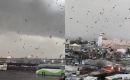
In São Paulo, climate change has altered precipitation patterns, resulting in lower annual averages interrupted by violent, destructive storms. Just last week, a severe gale caused widespread power outages and grounded hundreds of flights, yet failed to provide the sustained rainfall needed to recharge the aquifers.
“Starting in August, the water began to drop and drop. It's very scary; we see it decreasing day by day,” Daniel Bacci, a local inn owner near the Jaguari-Jacareí dam, told AFP.
According to the National Water Agency, if reservoir levels do not stabilize by January, the system will enter the “most critical forecast” classification, a designation established in 2017 that triggers the highest level of emergency restrictions.
While Sabesp reports that pressure management has already saved approximately 53.36 billion liters —equivalent to the monthly consumption of nine million people— the relief may be temporary.
Meteorologists from the Emergency Management Center anticipate only sporadic rains for the remainder of the year. Significant recovery of the water table is not officially expected until the first months of 2026.


Top Comments
Disclaimer & comment rulesCommenting for this story is now closed.
If you have a Facebook account, become a fan and comment on our Facebook Page!