MercoPress. South Atlantic News Agency

Mercosur leaders shift to “constructive patience” after EU FTA delay
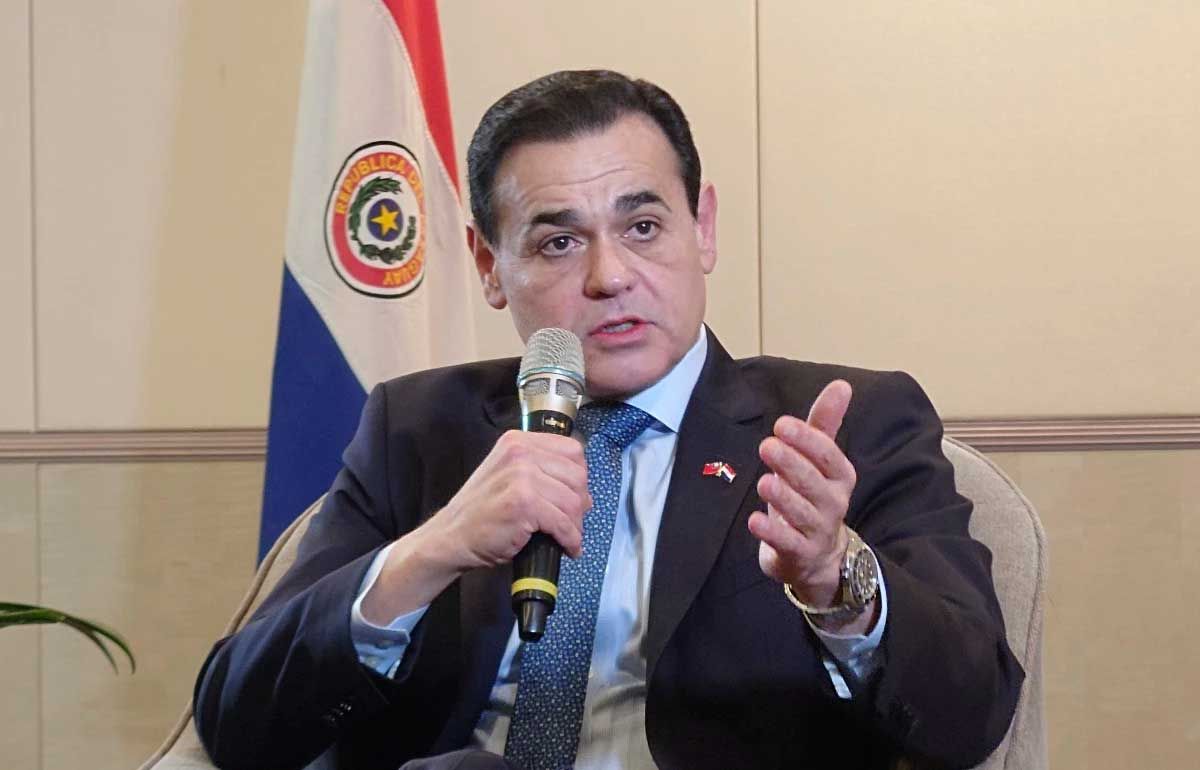 Ramírez Lezcano warned that these delays would not result in any renegotiation of terms already finalized in late 2024
 Following decades of negotiations and a high-stakes “now or never” deadline set for this week, the Southern Common Market (Mercosur) bloc has officially adopted a stance of cautious optimism after the European Union (EU) failed to secure the necessary internal mandate to sign the historic Free Trade Agreement (FTA) on Saturday.
The postponement, confirmed during the 67th Ordinary Meeting of the Common Market Council on Friday, has shifted the signing target to January 12, 2026, in Asunción, Paraguay.
The atmosphere at the ministerial gathering ahead of Saturday's Summit was marked by a blend of frustration and pragmatic resignation as member states reacted to the EU's request for more time.
Uruguayan Foreign Minister Mario Lubetkin expressed “disillusionment,” noting that the deal remains a priority but is currently stalled by a “lack of consensus” within Europe.
Paraguayan Foreign Minister Rubén Ramírez Lezcano warned that while they remain constructive, they will not accept any renegotiation of the terms already finalized in late 2024.
Argentina's Foreign Minister Pablo Quirno remained “optimistic” that the deal is close to the finish line and emphasized that the common goal remained trade openness. However, he acknowledged that Europe must first resolve its “internal problems.”
Despite having previously threatened to walk away if the deal wasn't signed by Saturday, Brazilian President Luiz Inácio Lula da Silva softened his stance following a personal appeal for “patience” from Italian Prime Minister Giorgia Meloni. Lula agreed to the delay, characterizing the pact as “extremely important” for global multilateralism.
The postponement was largely attributed to fierce opposition from France and last-minute hesitations from Italy, fueled by violent farmer protests in Brussels. Demonstrators, under slogans like “Stop Mercosur,” fear that the influx of South American beef and soybeans would create unfair competition.
In response, the EU has proposed new “safeguard clauses” to protect European producers. Nevertheless, Mercosur leaders have warned that these mechanisms must be applied “compatibly” with what has already been negotiated and cannot serve as a back-door for new restrictions.
As Paraguay prepares to assume the pro-tempore presidency of the bloc this Saturday, the focus is expanding beyond the EU deal. Ramírez Lezcano called for a “revitalization” of the bloc to address internal asymmetries, specifically for landlocked nations like Paraguay.
The bloc's 2026 agenda includes dismantling all “red tape” to lower export costs and simplifying customs to boost intra-regional trade. At the same time, Argentina has joined Uruguay in calling for “relaxed rules” that would allow member states to pursue bilateral trade agreements alongside bloc-level negotiations.
The ministerial meeting also touched on regional stability. Quirno issued a strong condemnation of the Nicolás Maduro regime in Venezuela, labeling it a “dictatorship” that has failed to respect democratic processes. He vowed that Buenos Aires would continue to bring complaints regarding human rights violations to international forums.


Top Comments
Disclaimer & comment rulesCommenting for this story is now closed.
If you have a Facebook account, become a fan and comment on our Facebook Page!