MercoPress. South Atlantic News Agency


Brazil records highest foreign investment inflow in a decade
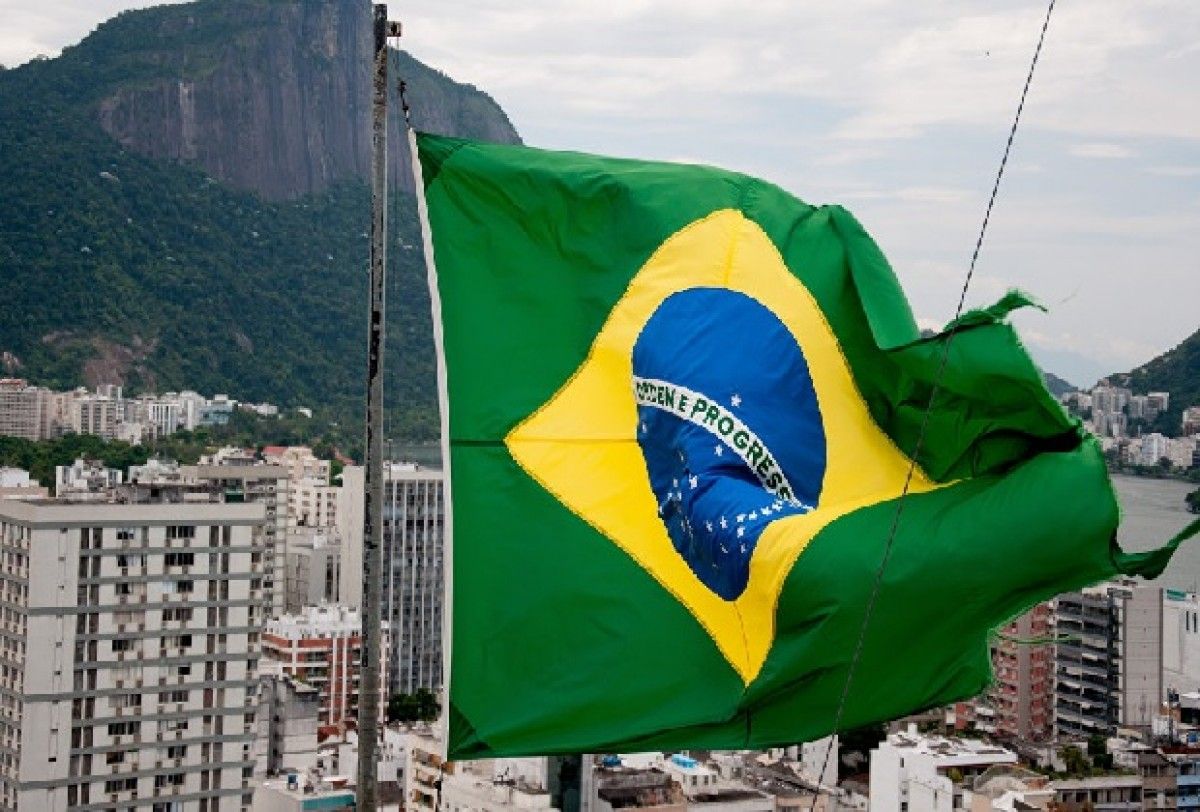 In 2025, Brazil thrived regionally, given Argentina's shaky transition and Chile's moderate growth
 The Brazilian government announced on Sunday that Foreign Direct Investment (FDI) reached US$84.1 billion between January and November 2025, marking the highest volume of capital inflow since 2014.
According to the Planalto Palace, the administration of President Luiz Inácio Lula da Silva attributes this surge to a strategic “international repositioning” and an aggressive diplomatic agenda aimed at restoring global investor confidence.
The November data showed inflows reaching US$9.8 billion, a 72% yoy increase. In the first eleven months of the year, the total volume of investment had already outpaced 2024's total of US$74 billion by 13.5%.
Economists note that Brazil is now within reach of all-time historical highs, previously achieved during Dilma Rousseff’s administration (2011–2014), which saw peaks of up to US$102.4 billion.
The executive branch highlighted that foreign policy has become a central pillar of its national reconstruction project. The official balance sheet detailed a high-intensity diplomatic schedule over the last three years, during which Brazil has “created favorable conditions for opening markets and defending national interests,” by opening more than 500 new international markets for Brazilian products since 2023.
Positioned as the preferred destination for foreign capital in South America, Brazil is using these figures to demonstrate resilience against current global geopolitical challenges. The government maintains that the stability and predictability offered by the current administration are the primary factors behind the US$10 billion jump in FDI compared to the previous year.
According to Brazil's Central Bank (BCB) and Development Ministry data for late 2025, Renewable Energy and Green Hydrogen accounted for 34% of investments, followed by Agribusiness and Infrastructure (28%), Technology and AI Data Centers (18%), and Oil and Gas (12%).
Furthermore, the massive inflow of dollars has acted as a critical stabilizer for the Real in a year marked by high interest rates and global volatility. The BCB has thus maintained robust reserves, standing currently at around US$355 billion.
In 2025, Brazil thrived regionally, given Argentina's shaky transition and Chile's moderate growth.


Top Comments
Disclaimer & comment rules-

-

Read all commentshahaha, as always unbelievable but at least the source (Federal Gov) is well known for its lack of grounded info: CKD and SKD assembly lines that are insisted to be called “production lines” while refusing to respect local labor regulations, mining fields “sold out” to eastern countries, those where food lacks - last but not least, even t 15% interest rates, real market investments keep vanishing as per Central Bank's last report (Jan-Nov25) https://www.bcb.gov.br/estatisticas/estatisticassetorexterno
Dec 30th, 2025 - 12:35 pm +1ntfy
Dec 30th, 2025 - 08:31 pm -2Regarding the sale of critical metal mines to Western countries, forget about it!
The regulatory agency (ANM - National Mining Agency) even canceled a mine auction that was to be held this month. It's been postponed until next year, which is when the joint venture between Brazil and China will have mapped the entire Brazilian territory.
Of course, with privileged information, the Sino-Brazilian company will acquire the exploration rights to the potentially most viable, most promising mines.
For the North American and European Westerners, all that will remain is the garbage and the ill will of the Brazilian people. What are you going to do now? Cry? Block our sea? Land SEALs in Santos?
Ah, the rest of what you commented is nothing more than a biased and foolish interpretation of the Central Bank's text. So stupid that it doesn't deserve my opinion.
https://www.youtube.com/watch?v=ZGyp4wONpy8
Commenting for this story is now closed.
If you have a Facebook account, become a fan and comment on our Facebook Page!