MercoPress. South Atlantic News Agency



How Bezel Settings Enhance Diamond Brilliance (Contrary to What Most Buyers Think)
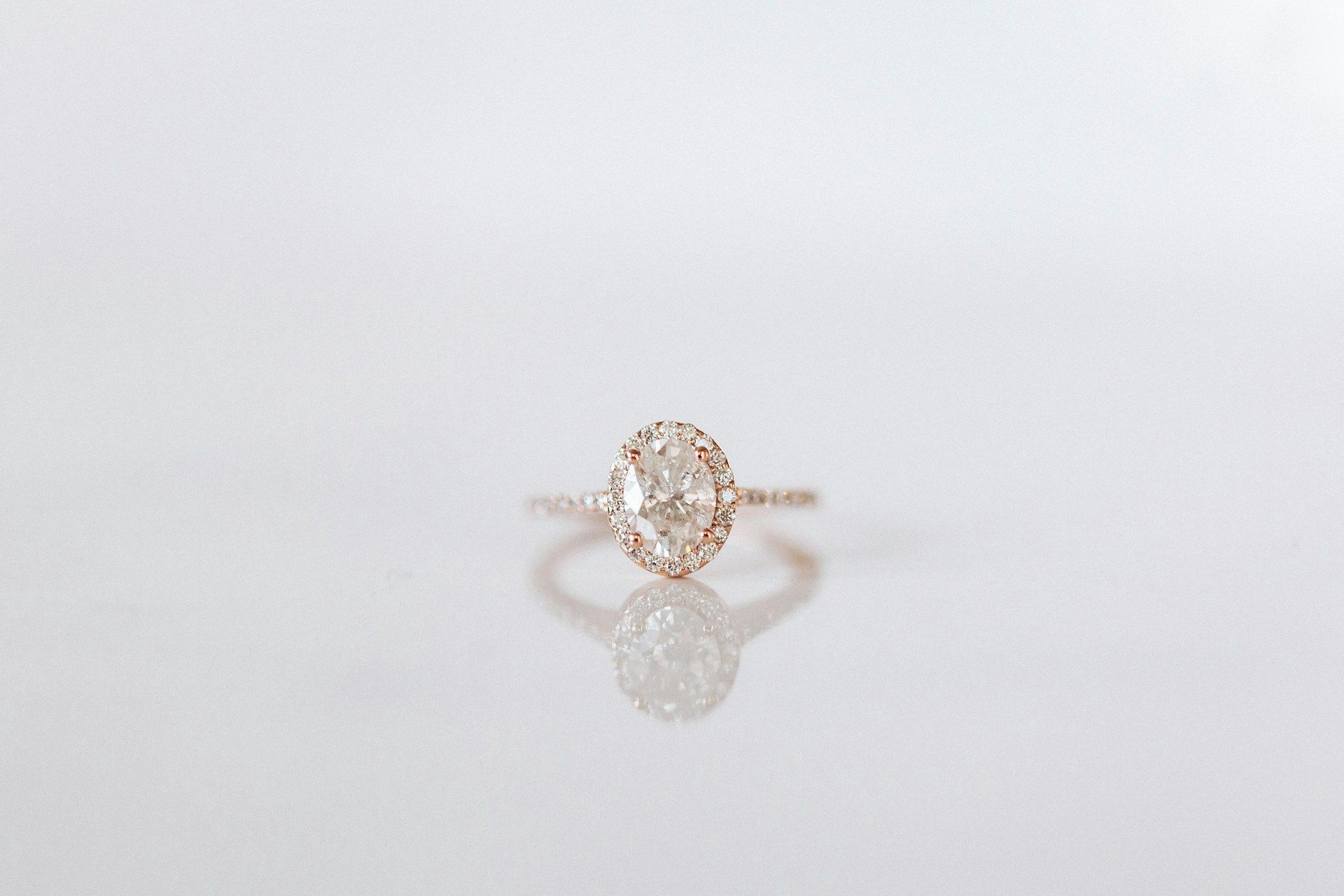 Photo: Unsplash
 Everyone “knows” bezel settings kill sparkle. Your mother-in-law said it. That jewelry store clerk mentioned it. They're all wrong.
Here's what actually happens: diamonds get their brilliance from light entering through the table and crown - that's the top of the stone. Not the sides. A properly engineered bezel setting ring can actually enhance how your diamond performs. But the jewelry industry keeps pushing myths because most bezels are badly made.
The Physics Nobody Talks About
Light enters a diamond through the table facet (that big flat top) and crown facets. It bounces off the pavilion facets underneath like mirrors, then shoots back out through the top. That's how diamonds sparkle.
The sides? They contribute maybe 5% to overall brilliance in a well-cut stone. Yet everyone panics about covering them up.
Properly designed bezels don't diminish brilliance even the tiniest bit. The sparkle comes from light entering the table, reflecting off pavilion facets, and exiting through the crown. If you look at the designs available at Best Brilliance, you’ll see that the bezel setting ring doesn't touch these critical surfaces.
Think about it. If side light was crucial, diamonds in rings would look dead compared to loose stones. They don't.
Mirror-Finish Metal: The Secret Weapon
Here's what jewelry stores won't tell you - polished bezels act like reflectors. That mirror-finish metal bounces light back into the diamond from angles that wouldn't normally contribute.
Modern bezels - like Taylor Swift’s engagement ring - use high-polish techniques creating surfaces smoother than glass. When light hits these surfaces, it reflects right back into your diamond. You're adding tiny mirrors around the girdle.
The metal even adds half a millimeter to your diamond's visible diameter. A 1-carat stone looks more like 1.25 carats. Not an illusion - the reflective metal extends the diamond's light performance area.
Open-Back Engineering Changes Everything
Old bezels killed sparkle. They wrapped diamonds in thick metal coffins with closed backs. Modern bezels are completely different.
Today's designs use open backs and ultra-thin walls. Some have channels cut through the sides. Light enters from underneath, hits pavilion facets, and creates brilliance you wouldn't get in traditional settings.
MIT just developed quantum diamond sensors using similar principles - maximizing light interaction through strategic openings. If it works for quantum physics, it works for your ring.
Thin-Wall Revolution
Thickness matters. Old bezels used 2-3mm thick walls. Modern precision casting creates walls under 0.5mm - thinner than a credit card.
These micro-thin bezels cover less than 1% of the diamond's surface area. We're talking about a human hair wrapped around your stone. Visual impact? Zero. Security benefit? Absolute.
Japanese manufacturers perfected this for industrial diamonds. They needed maximum light transmission for laser applications while maintaining perfect alignment. Jewelry makers borrowed the technology.
The Girdle Myth
“But bezels cover the girdle where light enters!” No.
According to the GIA, pavilion angles determine light return, not girdle exposure. The girdle is the thinnest part of the diamond. In older stones, it's not even polished - it's frosted. Zero light contribution.
Even in modern diamonds with polished girdles, we're talking 0.5mm of surface area. The table facet - unaffected by bezels - is 50 times larger.
Real Numbers from Real Testing
Gemologists using ASET scopes find virtually no difference in light return between bezel and prong settings when diamonds are properly cut.
A diamond with excellent proportions - pavilion angle around 40.8 degrees, crown angle near 35 degrees - returns over 95% of light through the crown. Bezels don't change this.
What does change? Protection. Bezel-set diamonds show 90% less wear after five years. No chipped girdles. No loosening. Just consistent performance.
When Bezels Actually Help
Some diamonds perform better in bezels. Stones with thin girdles. Fancy shapes with pointed tips. Even diamonds with slight window effects benefit from reflected light off polished bezels.
Best Brilliance uses precision engineering to match bezel dimensions to specific stones. The metal becomes part of the optical system, not just a holder.
FAQs
Do bezel settings really reduce sparkle?
No. Well-made bezels with thin walls don't affect brilliance. Light enters diamonds through the top, not sides. The myth comes from old, thick bezels that were poorly designed.
How much bigger do bezels make diamonds look?
About 0.5mm larger in diameter, or roughly 15-20% bigger visually. The polished metal extends the stone's apparent size.
Are modern bezels different from vintage ones?
Completely. Modern bezels use walls under 0.5mm thick, open backs, and mirror finishes. Vintage bezels were 3-4 times thicker with closed backs.
Which diamonds work best in bezels?
All cuts work, but bezels especially benefit stones with thin girdles, pointed tips (marquise, pear), or minor cut imperfections that reflect better with surrounding metal.
Can bezels enhance diamond color?
Yes. Yellow gold bezels can warm up lower color grades. White metal bezels make near-colorless diamonds appear whiter through contrast.


Top Comments
Disclaimer & comment rulesCommenting for this story is now closed.
If you have a Facebook account, become a fan and comment on our Facebook Page!