MercoPress. South Atlantic News Agency


Argentine health authorities concerned over growing number of superflu cases
 So far, no deaths have been reported, but precautions must be taken
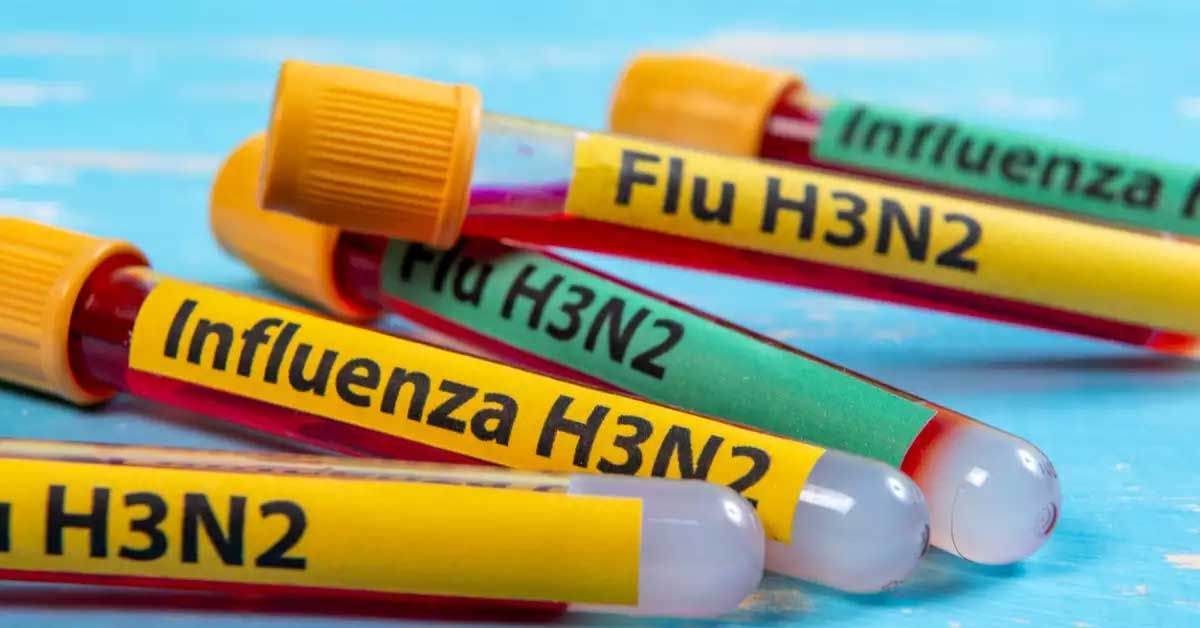
 Argentina's Health Ministry and the ANLIS-Malbrán Institute have confirmed a rise in cases of Influenza A (H3N2) subclade K —popularly dubbed the “superflu”—, with 18 confirmed detections in the Autonomous City of Buenos Aires (CABA), and the provinces of Buenos Aires, Santa Cruz, Neuquén, and Mendoza. So far, no deaths have been reported.
The latest National Epidemiological Bulletin highlights a shift in the viral landscape. Genomic sequencing of the 18 detected cases revealed a variety of subclades, the K version (J.2.4.1) prevailing with 9 detections, followed by 8 occurrences of J.2.3, and one of J.2.2.
Of the 9 K-type cases, five required hospitalization, while four were treated as outpatients. Health officials noted that the majority of these patients had no recent history of international travel, except for two of them who had been to Europe, suggesting that the variant is likely circulating within local communities.
The World Health Organization (WHO) and the Pan American Health Organization (PAHO) have issued alerts regarding this specific variant due to its rapid expansion in the Northern Hemisphere.
Subclade K contains genetic mutations in the hemagglutinin protein that facilitate easier transmission and partial evasion of the immune system compared to previous H3N2 strains.
While highly contagious, current data from the Malbrán Institute and international agencies indicate that this subclade does not necessarily cause more severe illness or higher mortality than other seasonal H3N2 viruses. However, H3N2 seasons historically place a greater burden on elderly populations.
With the 2026 flu season potentially arriving early due to this variant, the Health Ministry insisted on the importance of observing prevention protocols, such as keeping up to date with vaccinations against influenza, SARS-CoV-2, pneumococcus, Haemophilus influenzae type B, Bordetella pertussis, and respiratory syncytial virus, which —they claimed— remain the most effective tool to prevent complications and death.
High-risk groups, including healthcare workers, pregnant women, children (6–24 months), and adults over 65, were urged to ensure their schedules were up to date.
Additionally, the population should follow public hygiene measures and maintain adequate airflow in enclosed spaces.
The authorities also suggested using the crook of the elbow when coughing or sneezing and asked symptomatic individuals to avoid contact with others until they are fever-free for at least 24 hours without medication.


Top Comments
Disclaimer & comment rulesCommenting for this story is now closed.
If you have a Facebook account, become a fan and comment on our Facebook Page!