MercoPress. South Atlantic News Agency



Why Latin Americans Are Taking More of an Interest in Crypto
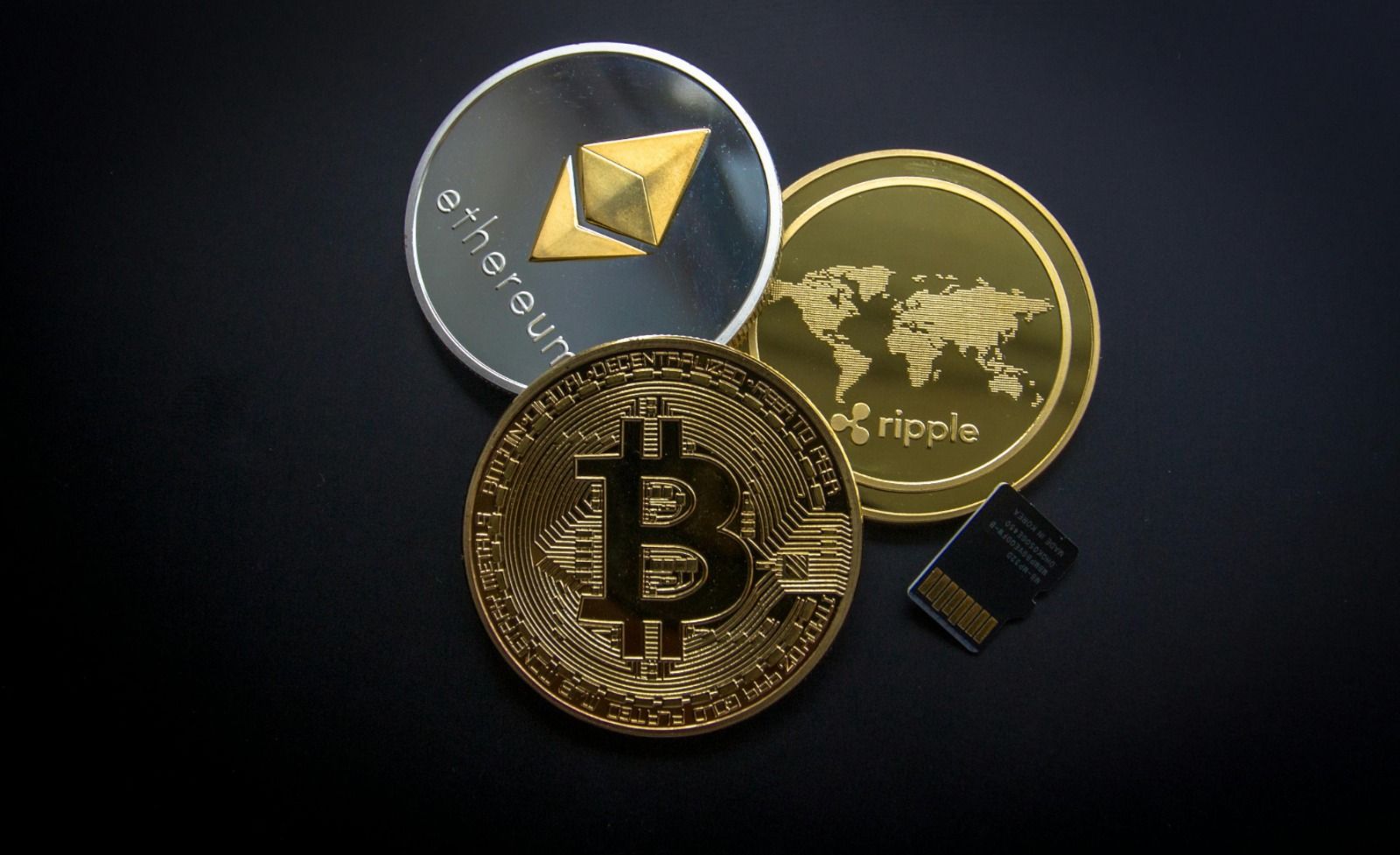
Latin Americans respond quickly when money starts misbehaving. When local inflation rises, wallets get uncomfortable, and people try anything that prevents savings from wilting. High inflation inside the region continues to push households toward instruments that at least feel insulated from local erosion. Argentina’s official inflation figures repeatedly showed triple digit movement, and the most recent CPI report confirmed ongoing pressure on daily costs. When buying groceries requires more from the same paycheck, people start looking elsewhere for value protection.
Part of that shift includes watching cryptocurrency prices live in the same way someone checks weekend football fixtures. The numbers move at odd hours. You wake up and see balance changes. They might rise by lunchtime and soften right before bed. People do not necessarily believe it is safer, only that it sometimes moves upward at periods when local currency never does. The volatility becomes tolerable when the alternative guarantees loss. That simple comparison fuels interest without requiring complicated financial theory.
The Practical Side of Switching Value
Many people across Chile, Colombia, and Brazil want something that clears faster than conventional transfers. OECD remittance studies found that people working outside their home country listed speed of settlement as a top priority because delays often affected bill payments. Someone sending money from Santiago to relatives abroad can wait days through traditional rails. When transfers land faster, less household planning is needed around due dates.
That difference does not feel theoretical. It feels like payday arriving when it should. Adoption sometimes rises after repeated delays, which is consistent with regional crypto adoption tracking from Americas Market Intelligence. Their recent profile of Latin American crypto users showed that interest grew among respondents who experienced friction in traditional banking transfers. They did not describe digital coins as futuristic. They said they were quicker.
The System Quietly Repositions Itself
Binance co-founder Yi He once noted that crypto is already reshaping the financial system one day at a time. The reshaping is subtle. A freelance designer in Bogotá invoices in digital form to receive payment without intermediaries. A contractor in southern Brazil converts part of his income into a digital format before traveling so he can avoid exchange counters. People attach value to mobility.
Research compiled by Fundación Getulio Vargas documented public interest around the mechanics of cryptoassets, including webinars showing audience questions focused on basic usability rather than speculation. The appeal was functional. People asked how to move value, how to keep access, and how fees worked.
Where Adoption Begins
Binance CEO Richard Teng described how crypto adoption can begin with a single domino falling before it's recognised as a legitimate financial tool. The pattern is visible. When large savings channels even hint at digital value, people notice. The notion that an asset might hold purchasing power for a long period changes perception. Regional researchers studying institutional behaviour in Brazil noted that legitimacy often flows from large structures into households rather than the other direction. When established savings entities explore new instruments, the fear factor drops.
People inside the region carry historic memory of sudden monetary shifts. Many remember sudden power collapse without warning. Crypto feels like another chamber within the same building, rather than a replacement for the building. Instead of assuming permanence, people assume flexibility. Adoption builds through repetition rather than enthusiasm.
A Small Moment That Reveals Something Bigger
Latin Americans understand tension inside real-life decisions. During televised football matches, when a striker approaches goal and defenders collapse inward, the crowd rises. The movement stretches a moment that feels longer than it is. When someone awaits a transfer, and the confirmation arrives instantly, the reaction mirrors that stretch. The tension breaks. A remittance landing within minutes rather than days can remove financial anxiety.
The OECD’s examination of regional remittance patterns showed how delays affected rent payments, school fees, and utility schedules. Faster settlement helped households maintain predictable timing. Predictability builds confidence.
What People Can Actually Use Right Now
A simple approach helps. Break personal savings into smaller pots. One pot stays in local currency for immediate costs. Another moves into instruments that settle quickly. Analysis by Universidad Torcuato Di Tella showed that households who diversified during inflation spikes retained stronger purchasing power across twelve month periods. Crypto was only one element among several, but it contributed to timelier storage of value.
Another benefit relates to distance. Families often stretch across cities, regions, and borders. Faster settlement gives whoever receives the transfer immediate freedom to act. That freedom matters when bills arrive at fixed intervals. People within the OECD study cited timing as the difference between late fees and on time payments. Crypto reduces waiting.
Why Interest Has Real Momentum
Crypto grows because people dislike feeling helpless when traditional systems move slowly. The region tries to stay ahead of loss. When inflation remains high, when transfers drag, and when savings fade, digital money becomes attractive enough to try.
People are looking for control they can carry anywhere. That control is portable, fast, occasionally fluctuating, sometimes rewarding, and often practical. Stability has been interrupted several times across recent decades. When that happens, the region prefers to hold something that does not answer to a single counter window.


Top Comments
Disclaimer & comment rulesCommenting for this story is now closed.
If you have a Facebook account, become a fan and comment on our Facebook Page!