MercoPress. South Atlantic News Agency



High Seas Treaty enters into force, ushering in a new era for ocean protection
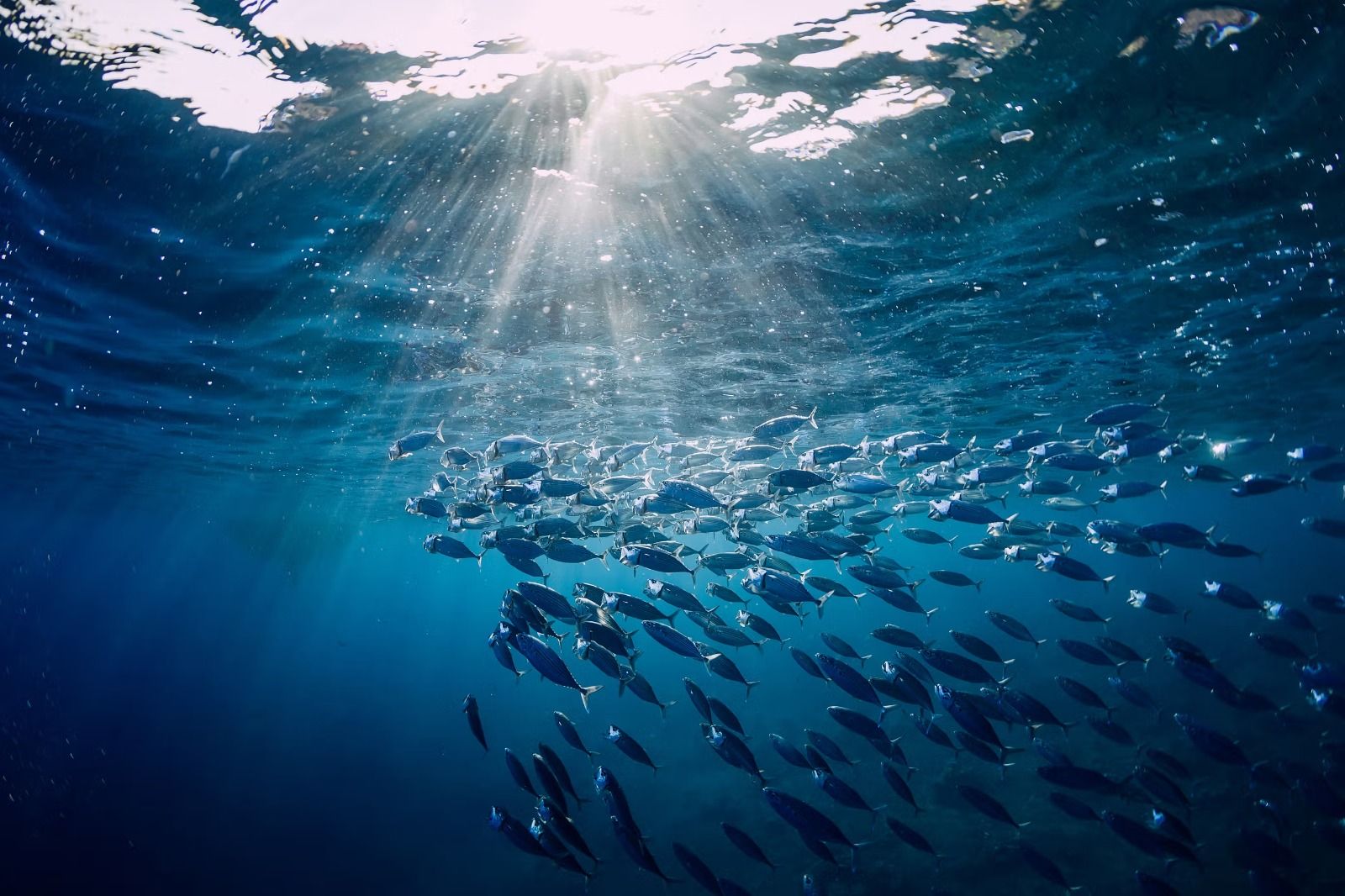 Among the immediate obligations, countries must conduct environmental impact assessments for planned activities beyond national jurisdiction
 The High Seas Treaty, also known as the Global Ocean Treaty, enters into force on Saturday, marking “a historic achievement in ocean protection” and the start of a new phase in global ocean governance, EFE reported.
Formally known as the BBNJ Agreement, the treaty creates the first legally binding framework to safeguard marine biodiversity in international waters, which cover nearly 50% of the planet’s surface. Ratified by 82 countries, it becomes international law and aims to ensure the fair sharing of benefits from marine resources.
Its entry into force is “a milestone for multilateralism,” said Rena Lee, Singapore’s ambassador for international law who chaired the negotiations that led to the treaty’s adoption in 2023.
The agreement enables the designation of marine protected areas on the high seas, sets obligations for sustainable use, prioritizes capacity building and access to technology, and establishes benefit-sharing mechanisms. Rebecca Hubbard, director of the High Seas Alliance, said international waters are “full of life” and increasingly recognized as vital to the planet’s health.
Among the immediate obligations, countries must conduct environmental impact assessments for planned activities beyond national jurisdiction—or those with significant effects on the high seas—and notify them publicly. The first Conference of the Parties must be held by January 17, 2027, in New York, according to Adam McCarthy.


Top Comments
Disclaimer & comment rulesCommenting for this story is now closed.
If you have a Facebook account, become a fan and comment on our Facebook Page!