MercoPress. South Atlantic News Agency



Rio’s Carnival Kicks Off with 462 Street Parades and 6 Million Expected Attendees
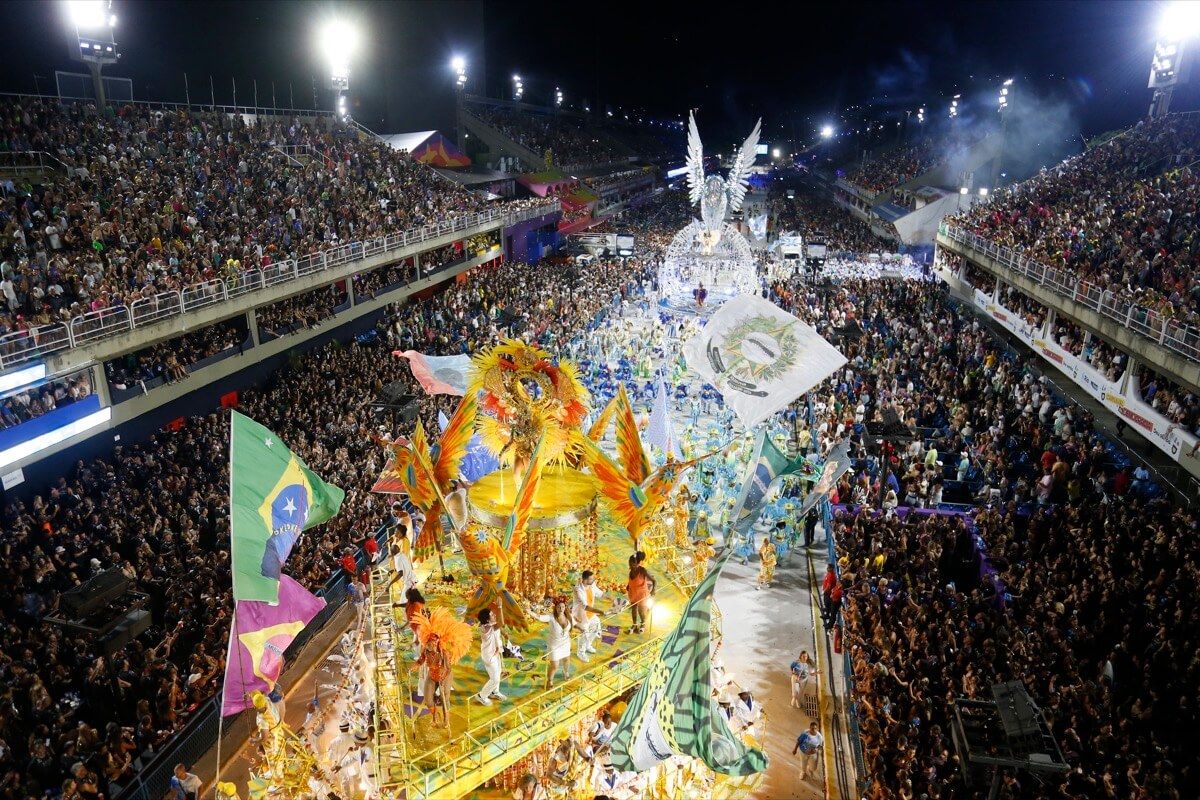 The official program runs from January 17 to February 22
 The street Carnival in Rio de Janeiro, one of the world’s largest public cultural celebrations, begins this weekend with 462 scheduled street parades (blocos) and an expected attendance of around six million people, Brazilian state media Agência Brasil reported.
The official program runs from January 17 to February 22, featuring events in neighborhoods across the city, from downtown to the South and West Zones, designed to appeal to a broad range of participants, from families to international visitors.
“The start of the street Carnival is a symbolic and important moment for the city, when Rio reaffirms the value of this cultural expression that begins in the neighborhoods, occupies public spaces and reflects the diversity, creativity and identity of Rio’s residents,” said Bernardo Fellows, president of Riotur, the city’s tourism agency, in a statement carried by Agência Brasil. “It is a plural Carnival that brings together traditional manifestations and large street parties engaging with different audiences, ages and parts of the city.”
Fellows said that this year’s schedule would be wide-ranging and decentralized. “The idea is to offer options for audiences of all ages and profiles — including children’s and family street parties, prominent musical attractions and impactful cultural experiences,” he added.
Rio’s downtown area is set to host the most parades — 135 in total — followed by the South Zone, particularly the Copacabana beachfront, with 99 events planned.
Tourism and economic impact
In addition to the street parades, marked by vibrant music, samba rhythms and colorful costumes, CNN Brasil reports that 35 blocs will make their debut this year, and the carnival is expected to draw significant tourist inflows, especially from Argentina, Uruguay and Europe, boosting local hotels, restaurants and service sectors.
The Rio Carnival continues to play a key role in the city’s economy. Previous editions have generated billions of reais in tourism and related spending, and local media report that this year’s celebration could surpass the 2025 economic impact, highlighting its importance on Brazil’s cultural and economic calendar.
Public safety and logistics
City authorities have stepped up security, accessibility and health plans to prepare for the massive crowds, coordinating with police, fire departments and medical services. In recent years, Carnival infrastructure has been adapted to improve urban mobility and emergency response during peak attendance.
The street Carnival, together with the traditional Sambódromo parades at the Marquês de Sapucaí, is widely seen as a key expression of Brazilian cultural identity, blending history, music and community participation as Rio de Janeiro enters one of its busiest and most festive seasons.


Top Comments
Disclaimer & comment rules-

Read all commentsProper carnival does not start this year until February 13. The early start is nothing but commercial greed.
Jan 21st, 2026 - 10:40 am 0Commenting for this story is now closed.
If you have a Facebook account, become a fan and comment on our Facebook Page!