MercoPress. South Atlantic News Agency


Uruguay preparing for ‘super flu’ H3N2; reports first two cases from overseas contagion
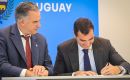
 Dr. Fernanda Nozar, head of National Health Department
 Uruguay’s Public Health Ministry confirmed this week it had detected for the first time two cases of the so called ‘super flu K’ H3N2, both from people returning to the country, a boy who recently arrived from Finland, and a woman who visited next of kin in United States.
According to the official information both patients have overcome the infection process with no complications. Contagion cases were detected by Health ministry ‘sentinel’ centers which are on the epidemiology watch-out. However there will not be an individual follow up, but rather an assessment of the overall sanitary impact.
“So far there has been no community circulation of the virus, but we know it will happen as it is behaving in the northern hemisphere, and we expect this strain to begin expanding as we approach (austral) winter months”, Dr. Fernanda Nozar, head of National Health Department said. Community circulation is expected when there is no epidemiology link as in the first of the two cases detected.
The influenza strain H3N2 is highly volatile with ‘subclades’ such as the current K, prevalent in the northern hemisphere and which surprised sanitary officials. Thus the name of ‘superflu,’ since outbreaks tend to be larger with a lesser immune reply, which overall is not necessarily more severe.
Symptoms are similar to other variants of flu, high fever, sore throat and nasal secretion, pain in joints, coughing and fatigue. Contamination is also similar, droplets when speaking, common use utensils and closed environments.
Dr. Nozar said that essentially there is no greater virulence, but rather more people infected, which threatens those with a predisposition for other health conditions or lesser immune capacity and “makes them more exposed to possible complications”.
Such susceptible cases were identified as babies, children below five years, old timers (plus sixty), pregnancies, comorbidities and/or immune-depression.
Meanwhile Uruguayan authorities have ordered and requested quick dispatch of anti-flu vaccines, which include the K subclade with the purpose of advancing the vaccination campaign from April to March. Uruguay has been following indications announced at the end of last year by the Americas regional Health Organization and World Health Organization.


Top Comments
Disclaimer & comment rulesCommenting for this story is now closed.
If you have a Facebook account, become a fan and comment on our Facebook Page!