MercoPress. South Atlantic News Agency



Immigration Lawyer for H1B Visas: From Filing to Green Card Strategy
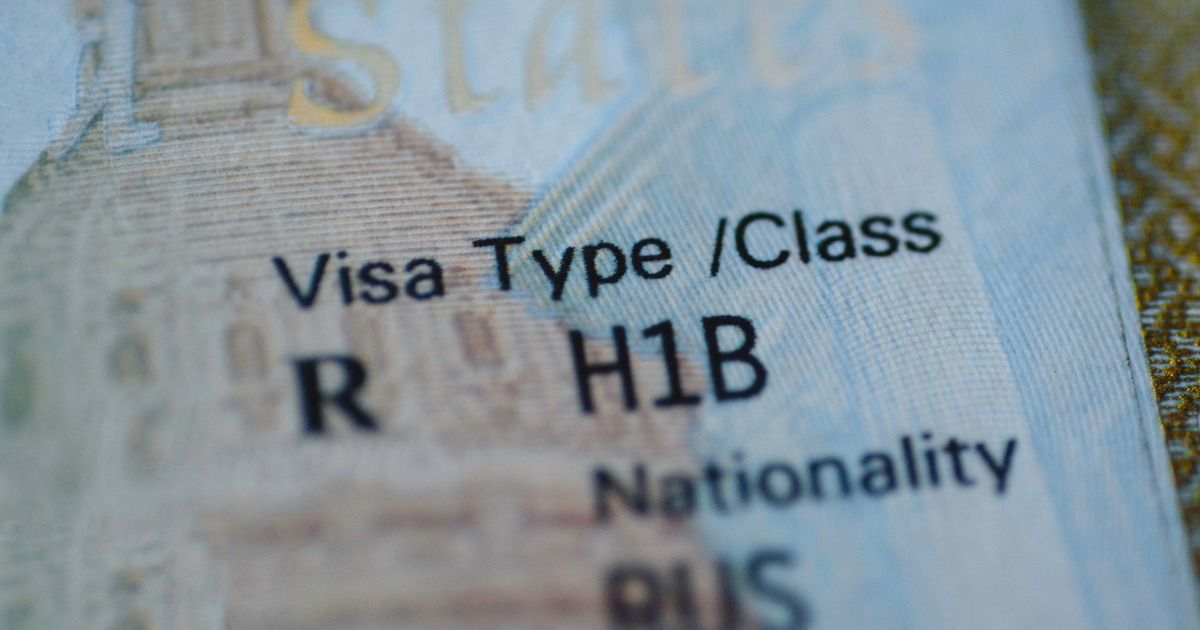
How legal expertise changes outcomes for H-1B petitions.
Securing work authorization in the United States demands more than paperwork. An immigration lawyer for h1b cases provides strategic guidance through complex filing procedures. The difference between approval and denial often comes down to presentation quality.
Foreign professionals face intense competition for limited visa slots. Immigration services from experienced law offices help candidates stand out. A law firm specializing in immigration law services understands how theoretical and practical application standards work. Legal expertise transforms weak petitions into strong cases.
What Makes H-1B Cases Complex
The H-1 B visa requires proof of a specialty occupation. A position offered must demand highly specialized knowledge. Immigration attorneys verify whether roles meet specific criteria under immigration law.
Most specialty occupation positions require at least a bachelor's degree. Some demand a master's degree or equivalent experience. The job offer must align with the educational background. Software engineering qualifies easily. Marketing coordinator roles? Much harder to prove.
US employer sponsorship triggers multiple compliance requirements. Companies must demonstrate american competitiveness in wages. The prevailing wages for the geographic area set minimum salary levels. Actual wage payments must match or exceed posted amounts.
The Annual Cap and Lottery Reality
The annual cap limits regular approvals to 65,000 petitions each fiscal year. Advanced degrees qualify for 20,000 additional slots. When demand exceeds supply, the random lottery determines winners. Recent years saw over 750,000 registrations compete for 85,000 spots.
High demand means qualified candidates get rejected. No appeals exist for lottery losses. Governmental research organizations and higher education institutions enjoy cap exemptions. Nonprofit research facilities avoid the lottery entirely.
An immigration lawyer's expertise matters most during lottery preparation. Strong registrations include accurate labor condition application details. Filing errors eliminate candidates before selection begins.
Initial Approval and Extension Strategy
Workers initially granted H1B status receive authorization for up to three years. Extensions allow status continuation up to six years total. Certain circumstances permit extensions beyond six years when green card applications remain pending.
Premium processing accelerates decisions to 15 days. Standard processing times range from three to eight months. The approval notice confirms work authorization start dates. Delays cost money and opportunities.
Changing employers requires filing a new petition with the new employer. Foreign workers can start employment once USCIS receives the application. Portability rules protect workers during processing. Change status applications help F-1 students transition after graduation.
Building Strong Labor Certification Cases
Labor certification demonstrates that no qualified US workers exist for the position offered. The labor condition application protects working conditions for American and foreign workers. Employer sponsorship includes detailed job descriptions and educational requirements.
A specific specialty must connect to the bachelor's degree field. Computer science degrees support software engineering roles naturally. Business degrees supporting data analyst positions? Requires stronger evidence packages.
Immigration law services include wage analysis and job description review. The Department of Labor scrutinizes prevailing wage calculations. Geographic area comparisons must reflect actual market rates. Mistakes trigger audits and denials.
Family Considerations and Dependent Status
Family members accompany primary H-1 B holders under H-4 status. Spouses and unmarried children under 21 qualify. Dual intent allows families to pursue permanent residence while maintaining nonimmigrant worker status.
Certain circumstances permit H-4 spouses to obtain work authorization. Children lose dependent status at age 21. Families need alternative immigration options before aging out occurs.
Pathways to Permanent Residency
Priority workers with extraordinary ability qualify for faster immigrant visas. Outstanding professors and researchers receive preference. Most foreign professionals pursue employment-based green card categories.
The immigration journey from h 1b to permanent residence takes years. Labor certification for standard positions requires extensive documentation. Processing times vary by country of birth. Indian and Chinese nationals face longer waits.
Track record matters when selecting legal representation. Immigration attorneys familiar with USCIS patterns strengthen applications. Practical application of regulations separates experienced lawyers from generalists.
Strategic Planning for Long-Term Goals
Immigration goals should drive short-term decisions. Some foreign nationals prioritize quick work authorization. Others focus on permanent residency pathways. Immigration options expand with advanced degrees and specialized knowledge.
The twenty-first century act created protections for H-1 B workers. Employer changes became easier. Extensions during green card processing gained support.
Law offices handling immigration issue resolution provide value beyond form preparation. Strategic advice on timing, employer selection, and visa categories impacts outcomes. Immigration attorneys become long-term partners in the employment process.
When Legal Help Becomes Critical
Foreign workers need qualified representation when complications arise. Requests for evidence demand precise responses. Denials require appeal strategies. Premium processing decisions affect job start dates.
Hiring qualified foreign workers requires compliance knowledge. Small businesses lack immigration law expertise. Legal services protect both employers and foreign professionals from costly mistakes.
Choosing the Right Legal Partner
Experience with H-1 B visa cases matters more than firm size. An immigration lawyer for h1b petitions understands USCIS patterns and officer concerns. Ask about success rates, processing strategies, and communication practices. The right attorney explains complex regulations clearly and responds promptly to questions.
Frequently Asked Questions
What type of visa category does the H-1B fall under?
The H-1B is a non-immigrant visa that allows foreign national workers to work temporarily in specialty occupation positions.
Should I hire a law firm for my H-1B petition?
Yes, a law firm with immigration experience strengthens petitions and reduces errors that cause denials or delays.


Top Comments
Disclaimer & comment rulesCommenting for this story is now closed.
If you have a Facebook account, become a fan and comment on our Facebook Page!