MercoPress. South Atlantic News Agency


Over 60% of Brazilians are overweight as obesity doubles in 18 years, survey shows
 Adult diabetes diagnoses increased from 5.5% in 2006 to 12.9% in 2024, and hypertension rose from 22.6% to 29.7%.
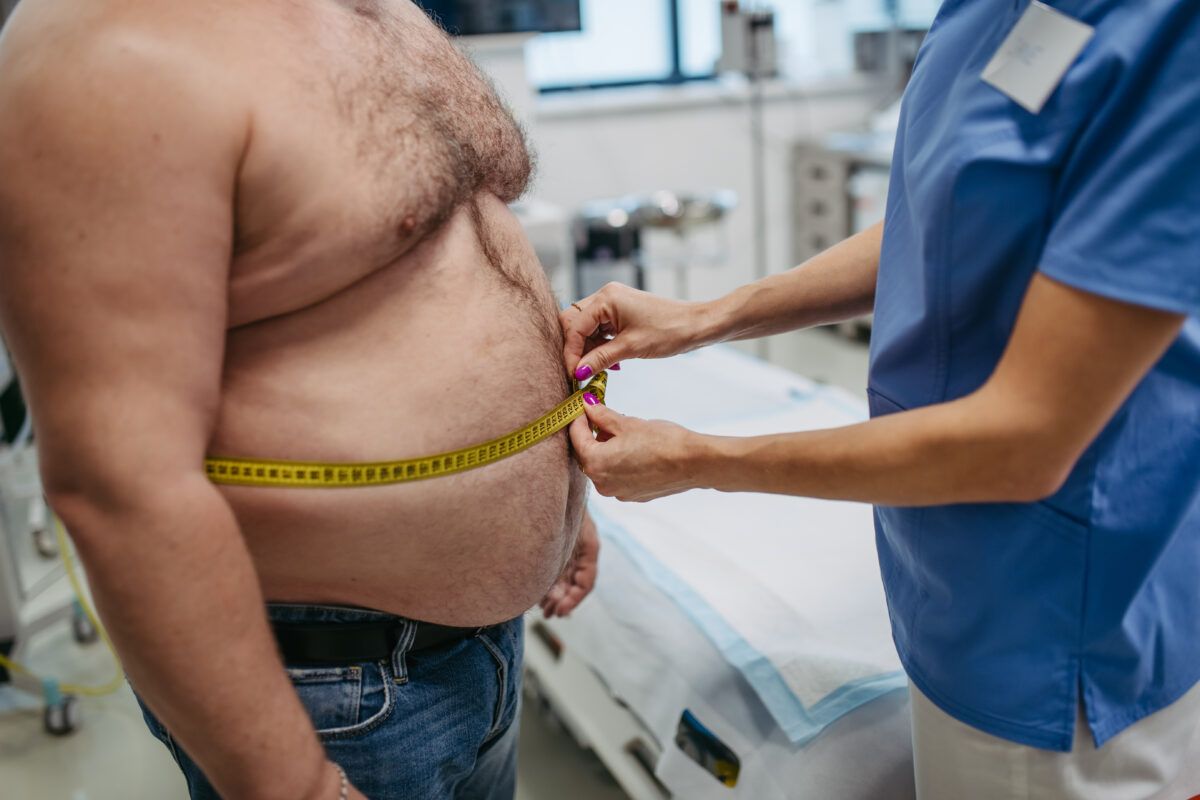
 More than six in ten Brazilians are now overweight and obesity affects roughly one in four adults, according to official health data released this week and carried by Agência Brasil. The survey estimates that 62.6% of the population had excess weight in 2024, up from 42.6% in 2006, while obesity (BMI ≥ 30) doubled from 11.8% to 25.7% over the same period.
The dataset also points to a broader rise in chronic conditions linked to weight and lifestyle. Adult diabetes diagnoses increased from 5.5% in 2006 to 12.9% in 2024, and hypertension rose from 22.6% to 29.7%.
Trends in daily habits were mixed. Physical activity tied to urban commuting fell from 17% in 2009 to 11.3% in 2024—an erosion officials associate with greater reliance on transport apps and public transit—while moderate leisure-time activity (at least 150 minutes per week) rose from 30.3% to 42.3%. Diet indicators showed limited improvement: regular fruit-and-vegetable consumption remained broadly stable, but frequent intake of soft drinks and artificial juices declined sharply compared with levels recorded in the late 2000s.
Health Minister Alexandre Padilha argued that positive shifts—less soda and more recreational exercise—have not been enough to reverse obesity, diabetes and hypertension as Brazil’s population ages. He called for stronger prevention and long-term care policies.
For the first time, the survey also measured sleep. It found that 20.2% of adults in state capitals sleep fewer than six hours per night and 31.7% report at least one insomnia symptom, with higher prevalence among women. Padilha warned that poor sleep quality is closely linked to weight gain, worsening chronic disease and mental-health strain, and said primary care teams will be pushed to address sleep more systematically.
In response, the Health Ministry launched the “Viva Mais Brasil” initiative, aiming to expand prevention and healthy-living measures through the SUS while also engaging the private sector. Officials announced R$ 340 million in funding for policies that promote physical activity nationwide.


Top Comments
Disclaimer & comment rules-

Read all commentsSo here is the contrast: https://www.brasildefato.com.br/2025/10/10/food-insecurity-falls-in-brazil-but-54-7-million-people-still-face-hunger/ In like manner, I see Br$300.000 SUV's hogging the streets with horse carts and neighborhoods with private estates under heavy security next to districts with dilapidated, tiny hovels sheltering dozens. How long can this disparity continue to stress this society, especially if realistic expectations of economic advancement for the lower strata are ever unrealistic. A similar situation in Venezuela resulted in the turnover of power and predictable economic collapse. Brazil needs to find a better solution.
Feb 07th, 2026 - 12:57 pm +1Commenting for this story is now closed.
If you have a Facebook account, become a fan and comment on our Facebook Page!