MercoPress. South Atlantic News Agency



Chile announces humanitarian aid for Cuba as Boric condemns U.S. embargo
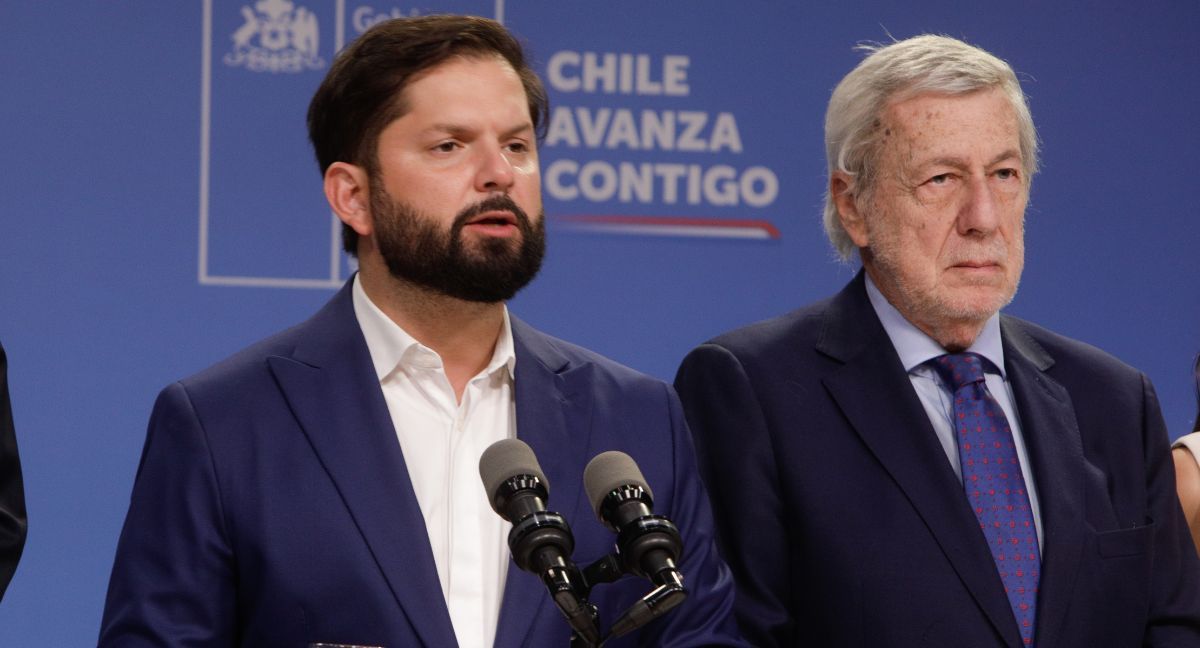 Chile’s decision comes as Cuba’s energy supply has become a sharper geopolitical issue
 President Gabriel Boric’s government said on Thursday it will send humanitarian aid to Cuba, as the island faces a deepening economic and energy crisis.
Foreign Minister Alberto van Klaveren, speaking at La Moneda palace, said the assistance will be channelled through the Chile Fund Against Hunger and Poverty. He added that officials are still assessing the size of the contribution, which will be “strictly humanitarian” and delivered “through United Nations agencies” for the benefit of the Cuban population.
Hours later, Boric endorsed the move while escalating his criticism of the U.S. embargo. In a post on X, he said the blockade “is criminal and an attack on the human rights of an entire people,” and urged it to be lifted, noting that the UN General Assembly has repeatedly called for an end to the policy.
Chile’s decision comes as Cuba’s energy supply has become a sharper geopolitical issue. Washington has tied its Cuba policy to additional trade measures, including threats of tariffs on countries that sell oil to Havana, at a time when fuel shortages are central to the country’s power generation problems.
Government spokesperson Camila Vallejo had signalled on Wednesday that the aid was under review depending on available resources and specific needs. Van Klaveren said other regional countries have taken similar steps and argued that the United States should not object to assistance that is strictly humanitarian.
Domestically, the announcement also triggered political pushback. Arturo Squella, head of the Republican Party — led by president-elect José Antonio Kast — said his camp sympathises with Cubans but criticised a response focused solely on assistance, calling instead for support for international initiatives aimed at political change on the island.


Top Comments
Disclaimer & comment rulesCommenting for this story is now closed.
If you have a Facebook account, become a fan and comment on our Facebook Page!