MercoPress. South Atlantic News Agency



Lula and other Brazilian presidents at the Sambadrome: tributes, satire and scandals
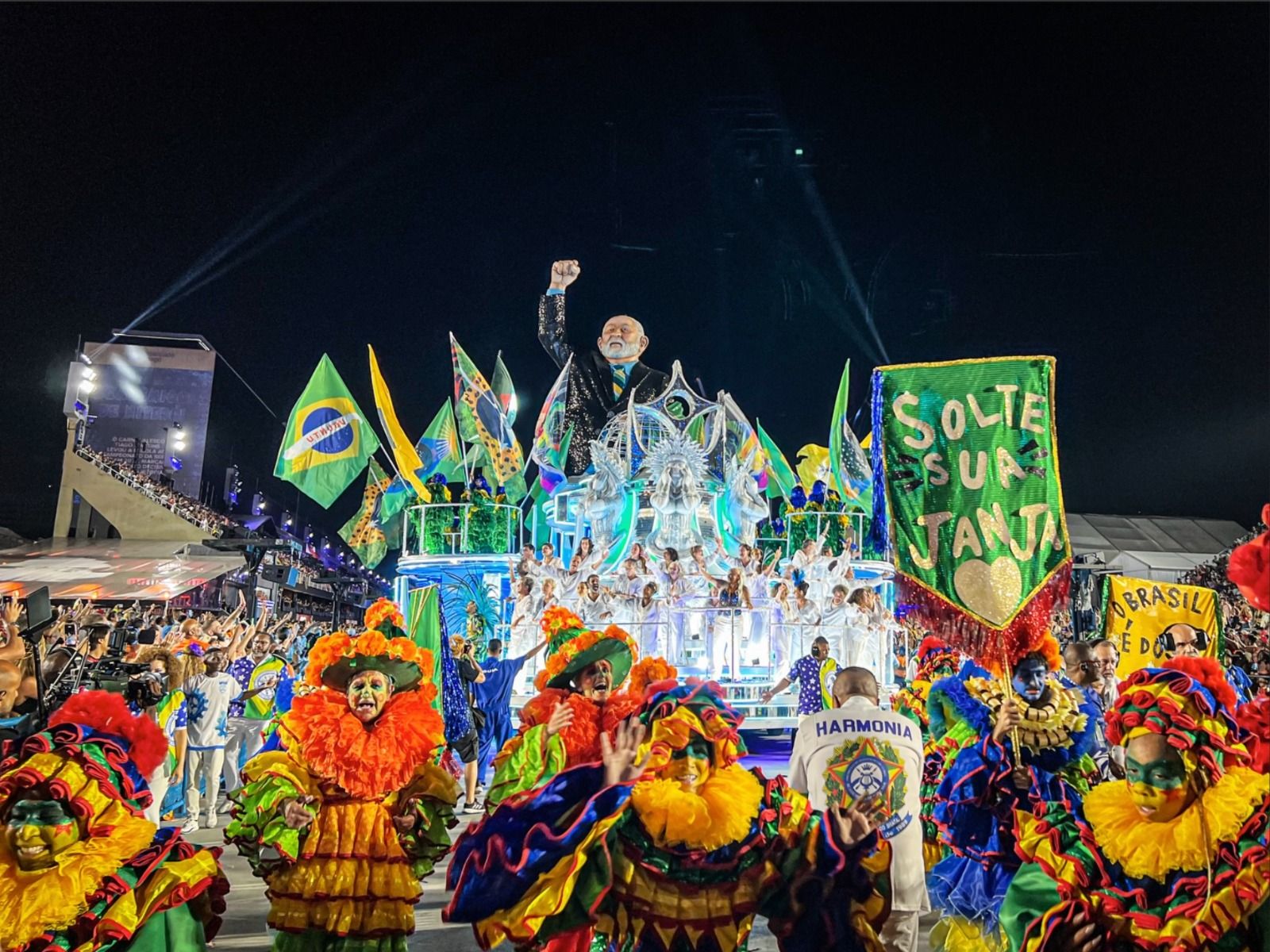 Lula’s case is unprecedented for a sitting head of state, but the Sambadrome has honored other presidents before — after their deaths and once they were widely regarded as historic figures
 The tribute paid on Sunday by samba school Acadêmicos de Niterói to President Luiz Inácio Lula da Silva — a parade that traced his life story and political rise — has revived debate over the long-standing relationship between Rio’s carnival and political power. Lula is not the first Brazilian president to be featured on the Sambadrome, but he is the first to receive such an honor while alive and in office, according to an EFE account.
The parade told Lula’s journey from his birth in Brazil’s impoverished northeast to the presidency, and drew controversy even before it entered the avenue due to the electoral calendar: Brazil is set to hold presidential elections in seven months, with Lula seeking reelection. Opposition groups tried to block the tribute in court, arguing it amounted to unlawful early campaigning by a group that receives public funding, but judges did not halt the parade. The electoral court, however, warned the episode could trigger an investigation, EFE reported.
Brazil’s election rules can be strict on premature campaigning and that carnival parades, while cultural events, often rely on public support and sponsorships — a mix that can fuel accusations of political promotion.
Posthumous presidential tributes
Lula’s case is unprecedented for a sitting head of state, but the Sambadrome has honored other presidents before — after their deaths and once they were widely regarded as historic figures.
In 1956, two years after Getúlio Vargas died by suicide, the Mangueira samba school portrayed him as a popular leader associated with labor and social gains. And in 1981, Mangueira again dedicated its parade to Juscelino Kubitschek, founder of Brasília, recalling his developmental push captured by the slogan “50 years in 5”.
Satire, political symbolism and a famous scandal
Rio’s parade avenue has also served as a stage for political caricature — where floats and lyrics can compress social tensions into spectacle.
One of the most notorious episodes dates to 1994, when then-president Itamar Franco attended a parade alongside a model whose outfit — and the revelation that she was not wearing underwear — became an international scandal and dominated headlines, overshadowing the political agenda for days.
Satire has been equally visible. In 2018, Paraíso do Tuiuti presented a float depicting President Michel Temer as a “neoliberal vampire,” widely read as criticism of his government’s economic reforms.
During Jair Bolsonaro’s presidency, several schools included indirect references to polarization and governance. In 2020, Acadêmicos de Vigário Geral displayed a giant figure wearing a presidential sash, styled as a clown and making a finger-gun gesture publicly associated with Bolsonaro. That same year, São Clemente staged a parody of Bolsonaro atop a float showcasing “fake news” as carnival props, in the overview cited by EFE.
This year’s Lula-themed parade also carried political cues: Acadêmicos de Niterói’s samba lyrics included criticism of a possible amnesty for those convicted over “coup plotting,” underscoring how Rio’s carnival can blend homage, satire and messaging within the same night.


Top Comments
Disclaimer & comment rulesCommenting for this story is now closed.
If you have a Facebook account, become a fan and comment on our Facebook Page!