MercoPress. South Atlantic News Agency



What Is Success in Life for Gen Z And Why Traditional Definitions No Longer Fit
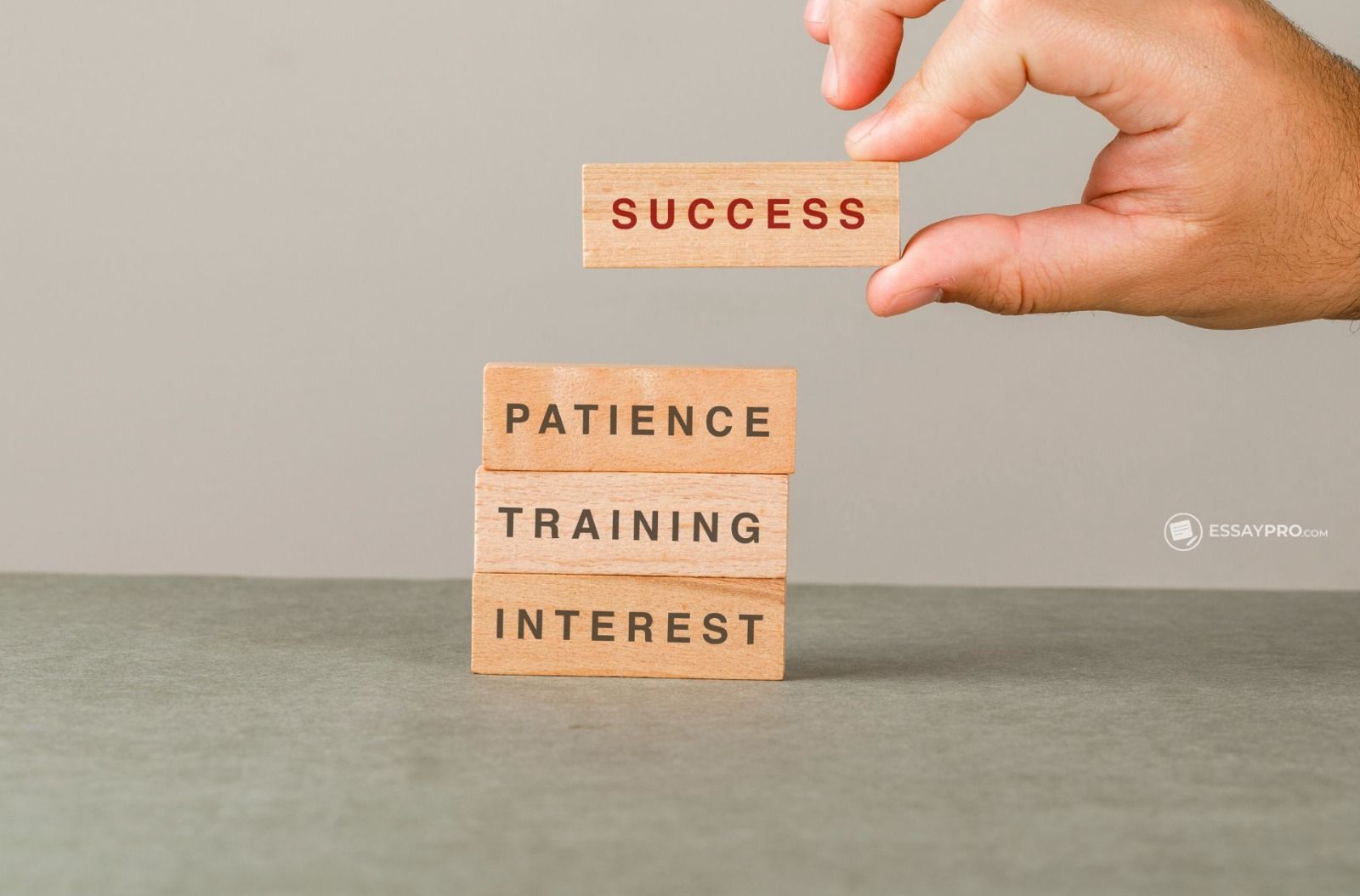
For decades, success followed a pretty clear script. You studied hard, got a stable job, bought a place to live, started a family and slowly worked your way “up.” That version of adulthood made sense in a world with predictable careers, affordable housing and linear progress.
Gen Z is stepping into something very different.
Rising living costs, unstable job markets, climate anxiety and a fully digital economy have reshaped what adulthood looks like. Many students today are juggling side hustles, remote work, freelance gigs and constant uncertainty - all while being told they should still aim for the same milestones their parents did.
That’s why asking what is success today feels more complicated than it used to. Old definitions don’t fully fit modern reality and for Gen Z, success often looks less like a checklist and more like a state of balance.
The Traditional Definition of Success and Where It Came From
If you ask older generations about success, you’ll likely hear familiar answers: a stable career, home ownership, marriage, financial security and social status. That classic success definition didn’t come out of nowhere.
For much of the 20th century, economies were more predictable. Jobs were long-term. Housing was relatively affordable. Following a linear path actually worked. Under those conditions, it made sense that what is the definition of success centered on visible, external milestones.
Specialists at EssayPro, who regularly help students with essays and academic papers, have noticed a clear shift in how success is described in student writing. Years ago, success was most often defined through external milestones such as building a strong career, starting a family and accumulating wealth.
In more recent years, however, students increasingly frame success around work-life balance, emotional stability and living in comfort rather than status. Many now describe success as feeling happy and balanced in everyday life, regardless of career titles, location or income level. This change reflects a broader move away from traditional markers toward more personal and sustainable definitions of achievement.
Why These Definitions No Longer Work for Gen Z
The problem isn’t that Gen Z rejects effort. It’s that the system changed.
Housing prices have skyrocketed. Entry-level jobs often require years of experience. Career ladders are less ladders and more tangled webs. In a digital economy, income isn’t always tied to titles and stability isn’t guaranteed even with a “good” job.
Under these conditions, rigid what is success criteria start to feel unrealistic. When the path itself is unstable, failing to reach traditional milestones isn’t a personal flaw. It’s a structural issue.
Gen Z isn’t failing at success. The rules themselves are shifting.
How Gen Z Defines Success Today
Rather than chasing one fixed outcome, Gen Z tends to define success in broader, more flexible terms. Success today often means having autonomy, protecting mental health and building a life that feels sustainable.
Instead of ranking values, Gen Z lets them coexist. Career matters - but so does rest. Money matters - but so does freedom. Growth matters - but not at the cost of burnout.
This shift reframes success meaning as something internal as well as external.
Mental Health as a Measure of Success
For many students, emotional stability is no longer optional. It’s central. Feeling calm, supported and mentally well is increasingly seen as what is personal success, especially in a high-pressure world.
Burnout is no longer romanticized. Survival mode is not a badge of honor.
Сareer Success Without a Single Career Path
Gen Z doesn’t expect one job to define them forever. Portfolio careers, freelancing and career pivots are normal. In this context, what does success mean professionally isn’t “one title for life,” but adaptability and growth.
Financial Success Without Traditional Wealth Markers
Owning a house or hitting a specific salary number isn’t always realistic or even desirable. Financial success is increasingly about stability, flexibility and choice. This reframes the successful meaning away from excess and toward security.
Success as Freedom, Not Status
Time control matters. Location independence matters. Being able to say no matters. For Gen Z, to define successful often means having freedom over how life is lived, not impressing others.
Social Media’s Role in Redefining (and Confusing) Success
Social media plays a strange double role. On one hand, it exposes students to new lifestyles and alternative paths. On the other, it amplifies comparison.
Success becomes visible, performative and sometimes misleading. People only post highlights which makes it harder to understand what does success look like in real, everyday life.
Gen Z is aware of this contradiction. They use these platforms, but they also question them. Many are learning to separate inspiration from pressure and reality from content.
Is Gen Z Lowering the Bar or Changing the Rules?
This question comes up a lot: is Gen Z avoiding hard work?
A more accurate answer is that they’re redefining what is success in life, not escaping effort. They’re still ambitious, but their ambition is directed toward sustainability, not self-destruction.
Many Zoomers are moving away from the overachiever mindset that defined earlier generations. Instead of glorifying constant struggle, long nights and burnout, they actively look for balance and sustainability.
Modern students are a clear example of this shift. To protect their mental health, they are more willing to use available support, whether that means AI tools or academic assistance services like EssayPro rather than pulling all-nighters or sacrificing sleep. For Gen Z, self-care and emotional well-being increasingly matter more than proving productivity at any cost.
In that sense, what is the key to success today may simply be knowing when to push and when to pause.
To Wrap It Up
Success hasn’t disappeared. It’s evolved.
For Gen Z, success is less about ticking boxes and more about building a life that works in an unpredictable world. That doesn’t make it smaller or easier, just more realistic.
Instead of chasing outdated ideals, students today are asking better questions. They’re choosing balance over burnout, meaning over status and flexibility over rigid paths.
And maybe that’s not lowering the bar at all.
Maybe it’s finally setting one that makes sense.


Top Comments
Disclaimer & comment rulesCommenting for this story is now closed.
If you have a Facebook account, become a fan and comment on our Facebook Page!