MercoPress. South Atlantic News Agency



Britain’s Obsession with El Dorado Charts Centuries and May Still be Alive Today
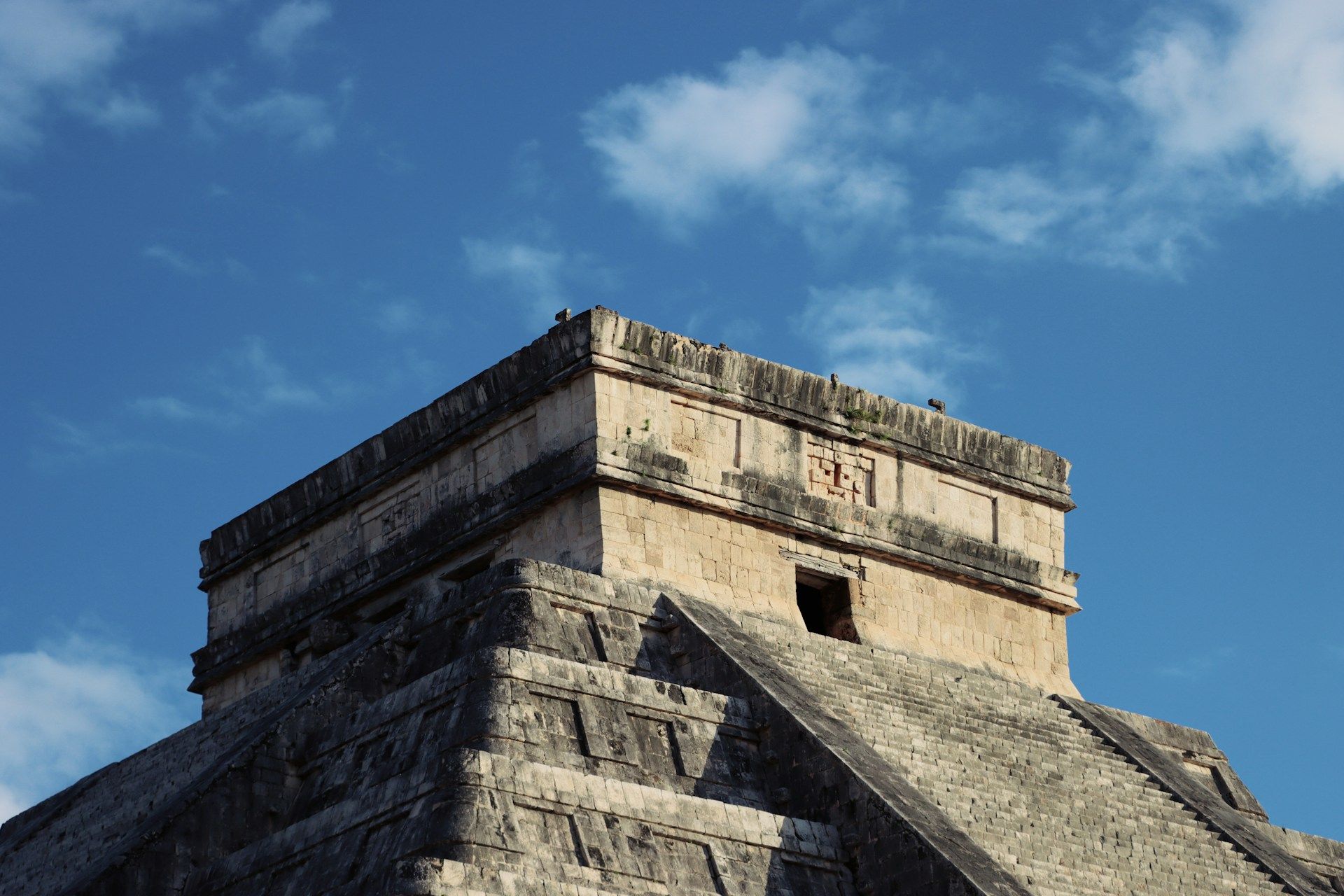
El Dorado is one of the most famous cities that, supposedly, never existed. Spurred on by the search for riches and need to validate several conquests to the region, the idea of El Dorado was popularised by the Spanish in the early 16th Century. Towards the very end of the century, a famed Brit took on the quest for El Dorado.
Since then, the British public has remained incredibly intrigued by the idea of this city of riches smuggled away somewhere within the wild lands of the vast South America. You can see its allure to this day in popular culture, which is quite remarkable given what happened after Sir Walter Raleigh cast off for what is now Guyana.
Intrigue Continues for El Dorado in Britain
A famous lost city of gold is as alluring for its mystery as it is for its promise. Over the centuries since Sir Raleigh ventured into the jungles, we’ve seen it pop up in numerous English-language productions, but its most notable fit has been in the world of new online slot machines.
Already, four of these games are particularly prominent, with one being an expansion of a hit game and the other three forming their own series. El Dorado: City of Gold, El Dorado: City of Gold Megaways, and Book of El Dorado are all-in on the South Atlantic forest setting with a secret jewel-encrusted city hidden within.
Then, of course, there’s the more Spanish-aligned Gonzo’s Quest II: Return to El Dorado. The first game about the little conquistador was ambiguous about the goal of the quest. Seeing the interest from countries like the UK, the developers decided to be much more explicit by naming it a search for El Dorado.
Of course, the Spanish play a big role in the intrigue in El Dorado. It was in the 1530s that “El Dorado” was first coined, spanning from the tribal ritual of the Chibcha in the Colombian Andes. This saw a man covered in gold dust entering a lake. Even so, it spiralled off into the seductive legend that we still instantly recognise today.
Sir Walter Raleigh Sparks British Interest

Photo: Pixabay
Amidst the Anglo-Spanish War, a member of the court of Elizabeth I, Sir Walter Raleigh, set sail hoping to curry favour with Her Majesty. First, he landed in Trinidad, took the Spanish settlement, and leveraged knowledge provided by the El Dorado-obsessed mayor to identify modern Guyana as the ideal place to start his search.
His primary achievements in the region were that he managed to travel for some 400 miles through the increasingly inhospitable highlands while a Spanish force shadowed his expedition, as well as the relations he built on the way. While the expedition was essentially a failure, he created long-standing alliances with the natives.
A year after he set off, in 1596, he published The Discovery of the large, rich and beautiful Empire of Guiana. It greatly exaggerated the resources of the region, his achievements, and the idea of evidence for El Dorado existing. He’d later be arrested by James I, but returned to the region upon his release in 1617.
As you’ll know by El Dorado not being a wildly popular tourist destination today, Sir Raleigh’s second venture to the South Atlantic also resulted in failure. This second run was particularly disastrous, and even though the man himself had to stay in Trinidad for its duration due to ill health, he was executed upon his return for its failures.
It may not exist, and it may not have been found, but Sir Raleigh’s exaggerated findings sparked an interest in the South Atlantic that has lasted for centuries.


Top Comments
Disclaimer & comment rulesCommenting for this story is now closed.
If you have a Facebook account, become a fan and comment on our Facebook Page!