MercoPress. South Atlantic News Agency



Scottish cameraman Doug Allan dies in Nepal during trek to Annapurna base camp
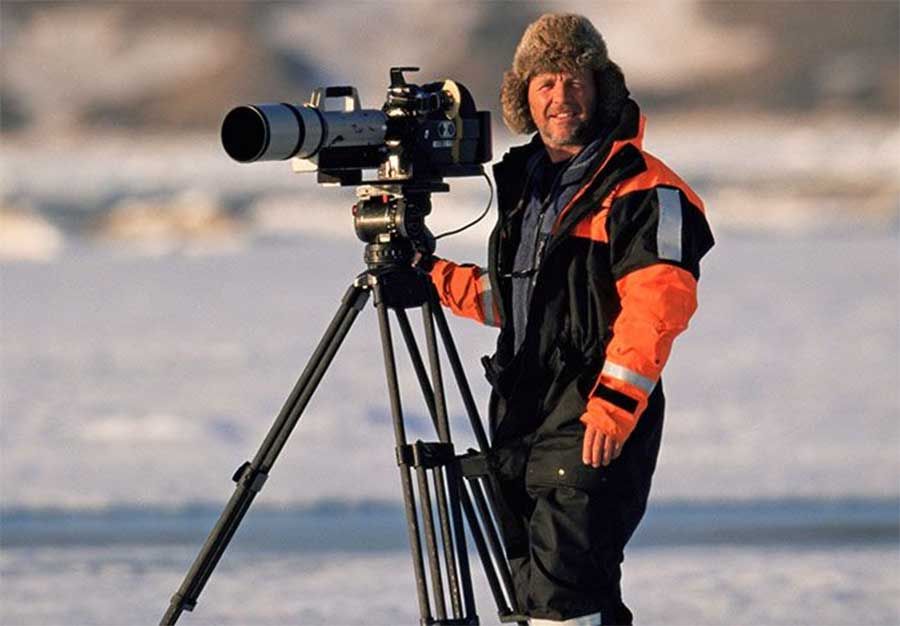 Allan, born in Dunfermline, Scotland, in 1951, was principal cameraman on some of the BBC's most influential documentary series
 Wildlife cameraman and photographer Doug Allan died on Wednesday at a hospital in Pokhara, Nepal, after suffering a brain hemorrhage during a trek to Annapurna base camp, the world's tenth highest mountain. He was 74.
Allan, born in Dunfermline, Scotland, in 1951, was principal cameraman on some of the BBC's most influential documentary series, including The Blue Planet, Planet Earth and Frozen Planet, and worked for decades alongside Sir David Attenborough. Over his career he won eight Emmy Awards and five Baftas, and was made an OBE in 2024 for services to broadcast media and environmental awareness.
According to Nepal's tourist police, Allan developed breathing difficulties on Monday, the first day of his trek near the Dhampus area. He was taken to Care Mark Hospital in Pokhara and later transferred to the city's Manipal Hospital. Dr. Sanjay Chhetri said he arrived in critical condition under ventilator support, the BBC reported. He died on Wednesday morning.
His management company, Jo Sarsby Management, described him as “a true pioneer of wildlife filmmaking.” “Doug leaves behind a visual legacy that few could ever match. His work brought audiences closer to the wonders of our planet, inspiring awe, understanding and deep respect for the Earth,” the company said in a statement.
Allan built his career as a specialist in filming in some of the planet's most extreme environments, particularly in polar climates and underwater. His interest in diving began after watching Jacques Cousteau's 1956 documentary The Silent World. After graduating with a degree in marine biology from the University of Stirling, he worked as a research diver for the British Antarctic Survey at Signy Island in the South Orkney Islands, work for which he was twice awarded the Polar Medal.
A chance meeting with Attenborough in 1981 led to his involvement in the documentary series Living Planet, filmed partly in Antarctica. The experience inspired him to buy a 16mm cine camera, which he used to film Emperor penguins — footage he later sold to the BBC.
In 2017, he told BBC Scotland he had spent approximately 620 days of his life searching for and filming polar bears. He recounted how on one occasion a bear approached the window of his shelter and, in another incident, a hungry walrus mistook him for a seal underwater and grabbed his legs, forcing him to hit it on the head with his camera to break free.
His ex-wife, photographer Sue Flood, said she took comfort in knowing Allan “was doing something adventurous with a dear friend of ours” at the time of his death, and that his influence on her life had been profound, leading her “to a lifetime working in the polar regions, a passion we shared.”
In recent years Allan turned to environmental advocacy, and earlier in 2026 urged the Scottish government to support an “ecocide” bill to penalize companies responsible for severe environmental damage.


Top Comments
Disclaimer & comment rulesCommenting for this story is now closed.
If you have a Facebook account, become a fan and comment on our Facebook Page!