MercoPress. South Atlantic News Agency



Brazil's inflation rises to 4.14% in March driven by higher fuel and food costs
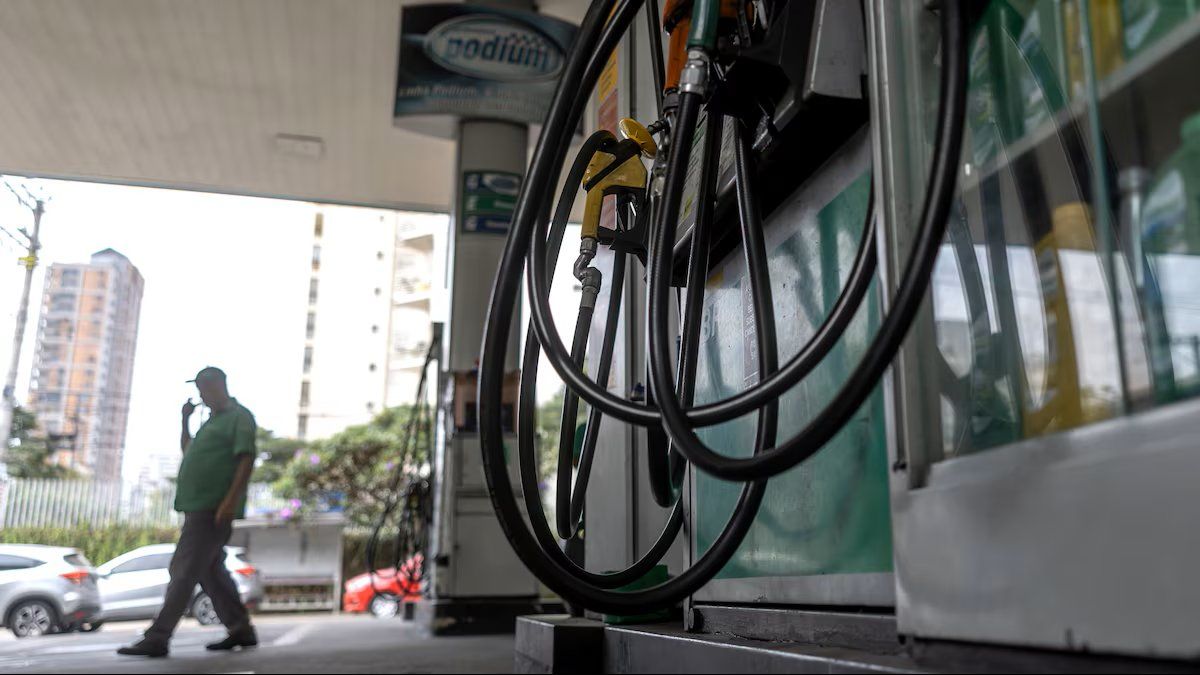 The main driver of the acceleration was higher fuel costs, directly linked to international oil market volatility caused by the war between the United States, Israel and Iran
 Annual inflation in Brazil accelerated to 4.14% in March, pushed higher by rising fuel and food prices, the Brazilian Institute of Geography and Statistics (IBGE) reported on Friday. The figure reverses the slowdown recorded in February, when the index had eased to 3.81%.
On a monthly basis, prices rose 0.88% in March, 0.18 percentage points above the previous month. The two categories with the greatest impact were transportation, with a monthly increase of 1.6%, and food, which rose 1.5%.
The main driver of the acceleration was higher fuel costs, directly linked to international oil market volatility caused by the war between the United States, Israel and Iran and the closure of the Strait of Hormuz, through which approximately one-fifth of the world's oil passes. Gasoline rose 4.5% in March after a 0.6% decline in February, while diesel surged 13.9% compared to 0.2% the previous month.
President Luiz Inácio Lula da Silva's government has deployed a package of measures to shield Brazilian consumers from the pass-through of international crude prices: it suspended the federal PIS and Cofins taxes on diesel imports and sales, implemented a direct subsidy program for fuel distributors and stepped up enforcement against speculative pricing. However, the measures have had limited effect on diesel prices, as Brazil imports approximately 30% of its domestic diesel consumption, leaving it more exposed to global market fluctuations.
In parallel, the government imposed a 12% levy on crude oil exports in March to fund the tax exemptions and fuel subsidies — a measure that was provisionally suspended this week by a federal judge in Rio de Janeiro following a legal challenge by Shell, TotalEnergies, Equinor, Repsol Sinopec and Petrogal.
Brazil's Central Bank, which closely monitors price developments, cut the benchmark Selic interest rate at its most recent meeting in March to 14.75% annually, the first reduction since 2024. However, uncertainty over the duration of the Middle East conflict and its effects on crude prices raises questions about whether the institution will continue cutting rates at upcoming meetings.
Inflationary pressure from fuel costs compounds a sustained increase in food prices, a category with a heavy impact on Brazilian household budgets, particularly among lower-income segments.


Top Comments
Disclaimer & comment rulesCommenting for this story is now closed.
If you have a Facebook account, become a fan and comment on our Facebook Page!