MercoPress. South Atlantic News Agency


Adventure Tourism in Latin America: Capturing Moments Beyond the Guidebook
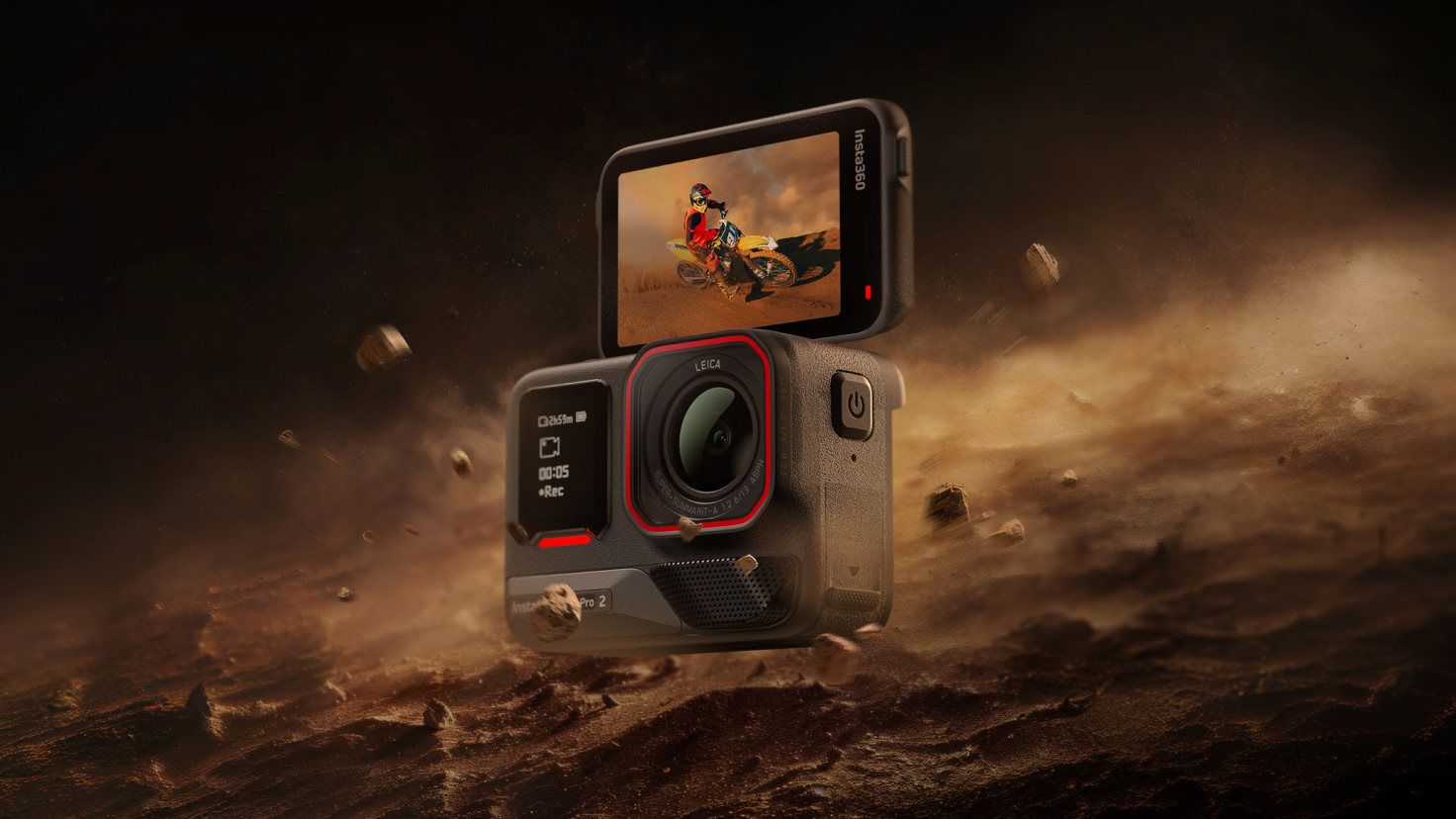 The market for portable, durable recording devices has expanded accordingly, with options ranging from smartphone-based solutions to dedicated action cam systems designed for high-motion environments
 Latin America has long been a destination for travelers seeking authentic experiences, from the Amazon rainforest to Patagonian peaks. Yet the region's adventure tourism sector has evolved dramatically over the past decade, driven not only by improved infrastructure and tour operators but also by the democratization of content creation technology. Today's travelers are not passive observers; they are documentarians of their own journeys, capturing and sharing experiences in real time across digital platforms.
This shift has transformed how adventure tourism operates in the region. Tour operators now recognize that visitors want to document their experiences, and the quality of those captures matters. Whether trekking through cloud forests in Ecuador, navigating white-water rapids in Costa Rica, or exploring remote islands off the Chilean coast, travelers increasingly bring sophisticated recording equipment. The market for portable, durable recording devices has expanded accordingly, with options ranging from smartphone-based solutions to dedicated action cam systems designed for high-motion environments. This convergence of travel and technology has created new opportunities and challenges for the adventure tourism industry across Latin America.
The Rise of Experience Documentation
Adventure tourism in Latin America has historically centered on the experience itself: the thrill of the activity, the beauty of the landscape, the connection with nature and local culture. Documentation was secondary, often limited to still photography or brief video clips captured on basic cameras. This dynamic has shifted fundamentally. Social media platforms, streaming services, and digital content communities have made video documentation not just desirable but essential to how many travelers engage with their journeys.
Tour operators have noticed this change. Guides now expect visitors to be recording footage, and many tours are designed with this reality in mind. Operators in Peru's Sacred Valley, for example, have begun timing activities to capture optimal lighting for video. Adventure tourism companies in Colombia have invested in infrastructure that accommodates content creators, including designated vantage points and extended time at key locations for filming. This is not cynicism but pragmatism: travelers who successfully document their experiences tend to be more satisfied with their trips and more likely to recommend them to others.
The implications extend beyond individual satisfaction. User-generated content from adventure tourism destinations has become a powerful marketing tool for entire regions. A single well-produced video of a zip-line canopy tour in Costa Rica or a mountain biking descent in Bolivia can reach millions of viewers globally, influencing travel decisions and economic activity. Regional tourism boards have begun recognizing this dynamic and are actively supporting content creators, offering permits and access in exchange for visibility.
Technical Considerations for Remote Environments
Capturing quality footage in remote adventure settings presents distinct technical challenges. Humidity in rainforest environments can damage equipment. Altitude in mountain regions affects battery performance. Dust in desert landscapes can compromise sensors. Water exposure during river-based activities requires robust weatherproofing. These environmental factors have driven innovation in portable recording technology, pushing manufacturers to develop equipment that performs reliably under extreme conditions.
Durability has become a primary concern for adventure tourism content creators. Equipment must withstand drops, impacts, and exposure to elements while remaining lightweight enough to carry during physically demanding activities. Stabilization technology has also become critical; shaky footage detracts from the visual experience, and many viewers now expect smooth, professional-looking video even from handheld devices. Battery life matters significantly when operating in locations without reliable power access, sometimes requiring equipment to function for eight to ten hours continuously.
The practical reality is that adventure tourism in Latin America now demands recording equipment that performs as reliably as the safety gear. Tour operators increasingly recommend or require that visitors use equipment meeting certain durability standards. This has created a feedback loop where demand for robust, portable recording solutions continues to grow, and manufacturers continue to innovate in response.
Economic Impact and Local Communities
The growth of adventure tourism documentation has generated economic opportunities for local communities throughout Latin America. In Ecuador's Galápagos region, content creators have become a distinct category of visitor, often spending more per day than traditional tourists and staying longer to capture diverse footage. Local guides have developed expertise in working with content creators, understanding camera angles, lighting conditions, and the specific needs of different recording platforms.
This economic dimension extends to equipment sales and support services. Local retailers in major adventure tourism hubs now stock recording equipment and offer technical support. In Cusco, Peru, and La Paz, Bolivia, shops specializing in travel technology have emerged to serve the growing population of content-creating visitors. This represents genuine economic activity flowing to local entrepreneurs and service providers.
However, the relationship between documentation and tourism experience remains complex. Some destinations have begun implementing restrictions on recording in certain areas, concerned that excessive documentation detracts from authentic experience and environmental preservation. The Galápagos Islands, for instance, have strict regulations on commercial filming, and several protected areas in the Amazon basin limit recording activities to preserve ecosystem integrity and indigenous privacy. These policies reflect legitimate concerns about balancing economic opportunity with environmental and cultural protection.
Platform Demands and Content Formats
Different digital platforms have created distinct demands for adventure tourism content. TikTok and Instagram Reels favor short, fast-paced clips with dynamic transitions. YouTube allows for longer-form narrative content that can explore destinations more thoroughly. Streaming platforms increasingly commission adventure content, creating opportunities for semi-professional and professional creators. These varying formats have influenced how adventure tourism experiences are structured and how visitors approach documentation.
Tour operators have adapted accordingly. Some now offer “content creation packages” that extend trip duration and provide additional time for filming and editing. Guides receive training on framing and composition to help visitors capture better footage. Some companies have begun offering editing workshops as part of the post-trip experience, helping visitors transform raw footage into polished content suitable for sharing.
This evolution has also influenced destination marketing. Regional tourism organizations now actively recruit content creators, offering press trips and access in exchange for coverage. The Atacama Desert in Chile, the Galápagos Islands, and various locations throughout the Amazon basin have all benefited from strategic content creator outreach programs.
Balancing Documentation and Presence
A persistent tension exists between the desire to document adventure experiences and the desire to be fully present during them. Psychologists and travel writers have noted that excessive focus on recording can diminish the immediate sensory experience of travel. Some adventure tourism operators have begun addressing this explicitly, encouraging visitors to spend portions of their trips without recording equipment, emphasizing the value of unmediated experience.
This perspective reflects a broader conversation about technology's role in travel. While documentation technology has democratized the ability to capture and share experiences, it has also created pressure to constantly record, to ensure every moment is captured for future consumption. Some travelers report feeling liberated when they deliberately leave recording equipment behind for portions of their trips, finding that the experience becomes more immersive and memorable.
The most successful adventure tourism operators seem to have found a middle path, providing support for documentation while also encouraging visitors to balance recording with presence. This approach recognizes that documentation and experience are not mutually exclusive but can coexist when approached thoughtfully.
Conclusion
Adventure tourism in Latin America continues to evolve, shaped increasingly by the technologies and practices of content creation. The region's stunning landscapes, challenging activities, and cultural richness remain the foundation of its appeal, but the way visitors engage with these elements has transformed. Documentation has become integral to the adventure tourism experience, influencing everything from tour design to destination marketing to local economic opportunity.
This evolution presents both opportunities and challenges. The economic benefits of content-creating visitors are real and significant for many communities. The global visibility generated by user-created content has expanded tourism to previously lesser-known destinations. Yet the pressure to constantly document, the environmental impact of increased tourism, and the risk of experiences becoming performative rather than authentic all warrant careful consideration. As adventure tourism in Latin America continues to develop, the most sustainable path forward likely involves embracing documentation technology while maintaining intentional boundaries around its use and impact.


Top Comments
Disclaimer & comment rulesCommenting for this story is now closed.
If you have a Facebook account, become a fan and comment on our Facebook Page!