MercoPress. South Atlantic News Agency


The European Union unblocks tariff deal with United States after ten months of negotiation
 The ratification process was delayed by the reluctance of the European Parliament, which at the start of the year blocked the text in response to the Trump administration's threats against Greenland
 Negotiators from the European Parliament, the Council of the European Union, and the European Commission reached a provisional agreement in the early hours of Wednesday on the final text of the tariff pact with the United States, in a decision that closes ten months of negotiations marked by pressures, threats, and successive blockages in the European Parliament. The Cypriot presidency of the Council, exercised during the first half of 2026, confirmed the breakthrough through the X social media platform and emphasized that the aim of the agreement is to “enhance a stable and predictable trade relationship” between the two blocs.
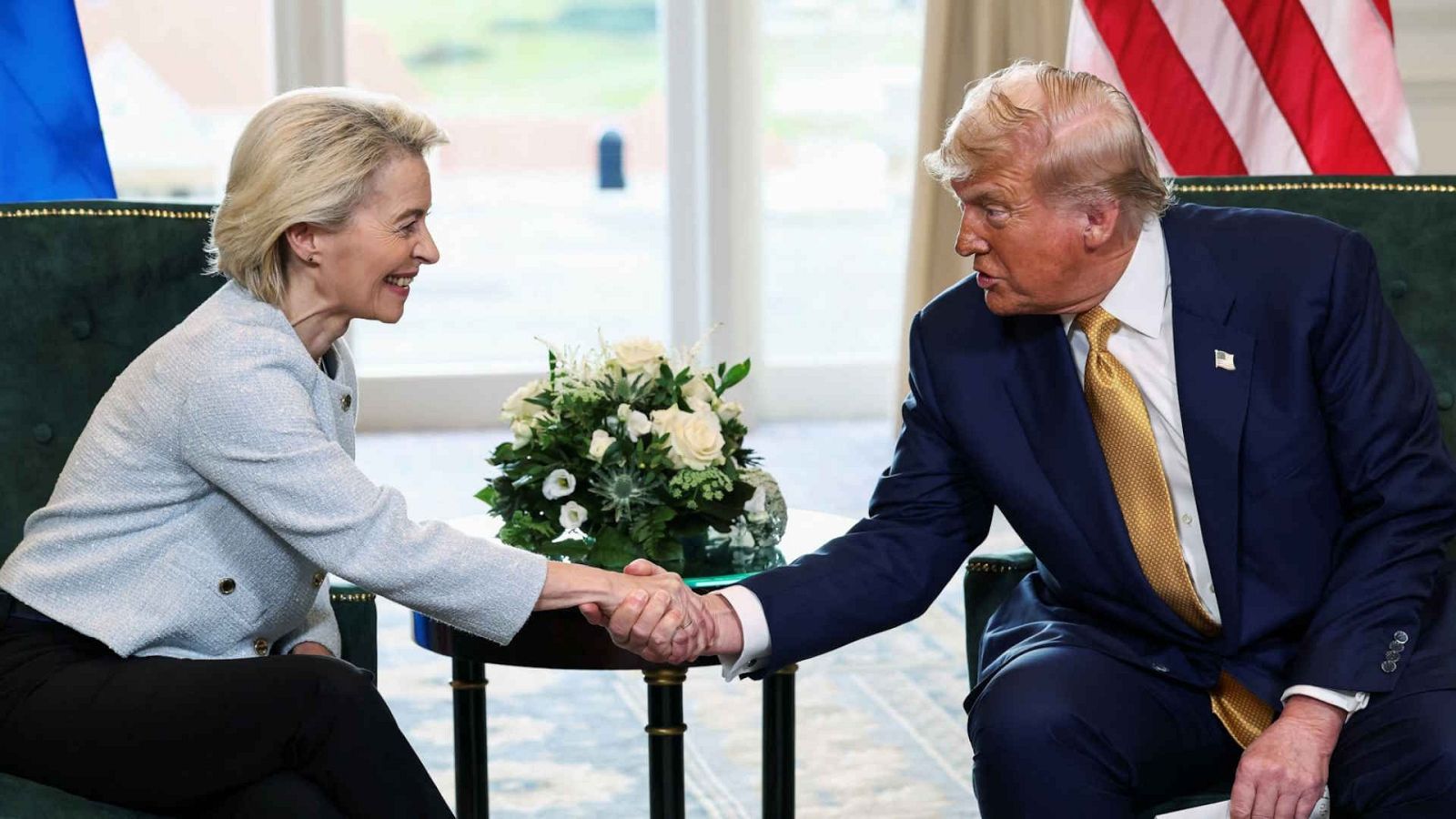
The pact, originally agreed last summer at the Turnberry golf complex in Scotland, owned by US President Donald Trump, during a meeting with European Commission President Ursula von der Leyen, establishes that the European Union will eliminate tariffs on a limited set of US agricultural products, including soy oil, will maintain zero tariffs on certain lobster varieties, and will reduce duties on cars arriving from the United States. In exchange, Washington has applied since the end of July 2025 a 15% tariff on most European products. Steel and aluminum products are excluded from the pact and remain subject to 50% tariffs under the Section 232 framework.
The ratification process was delayed by the reluctance of the European Parliament, which at the start of the year blocked the text in response to the Trump administration's annexationist threats against Greenland, an autonomous territory of the Kingdom of Denmark, and to the verbal attacks on European countries that participated in military exercises in support of the Arctic island. The members of the European Parliament demanded the incorporation of safeguard clauses that would condition European tariff reductions on US compliance, enable suspension in case of non-compliance, and provide for a comprehensive review in 2028. The Commission and the Council, for their part, preferred to avoid elements that might strain the relationship with Washington.
The architecture of the deal was complicated when the US Supreme Court ruled in February that the massive tariffs imposed by the Trump administration through presidential decree were illegal. To work around the ruling, the White House resorted to a temporary mechanism that sustains the 15% rate pending definitive legislation by Congress. Trump's recent threats to impose a 25% tariff on European cars if the pact was not finalized by mid-May accelerated the outcome, until a phone call between the US president and Von der Leyen extended the deadline to 4 July.
The agreement also includes non-tariff European commitments linked to investments and to the purchase of raw materials and fuels from the United States. These elements, which did not require legislative changes, are already in effect. The European ratification closes a cycle of transatlantic trade tension and clears the way for the full implementation of the bilateral framework.


Top Comments
Disclaimer & comment rulesCommenting for this story is now closed.
If you have a Facebook account, become a fan and comment on our Facebook Page!