MercoPress. South Atlantic News Agency


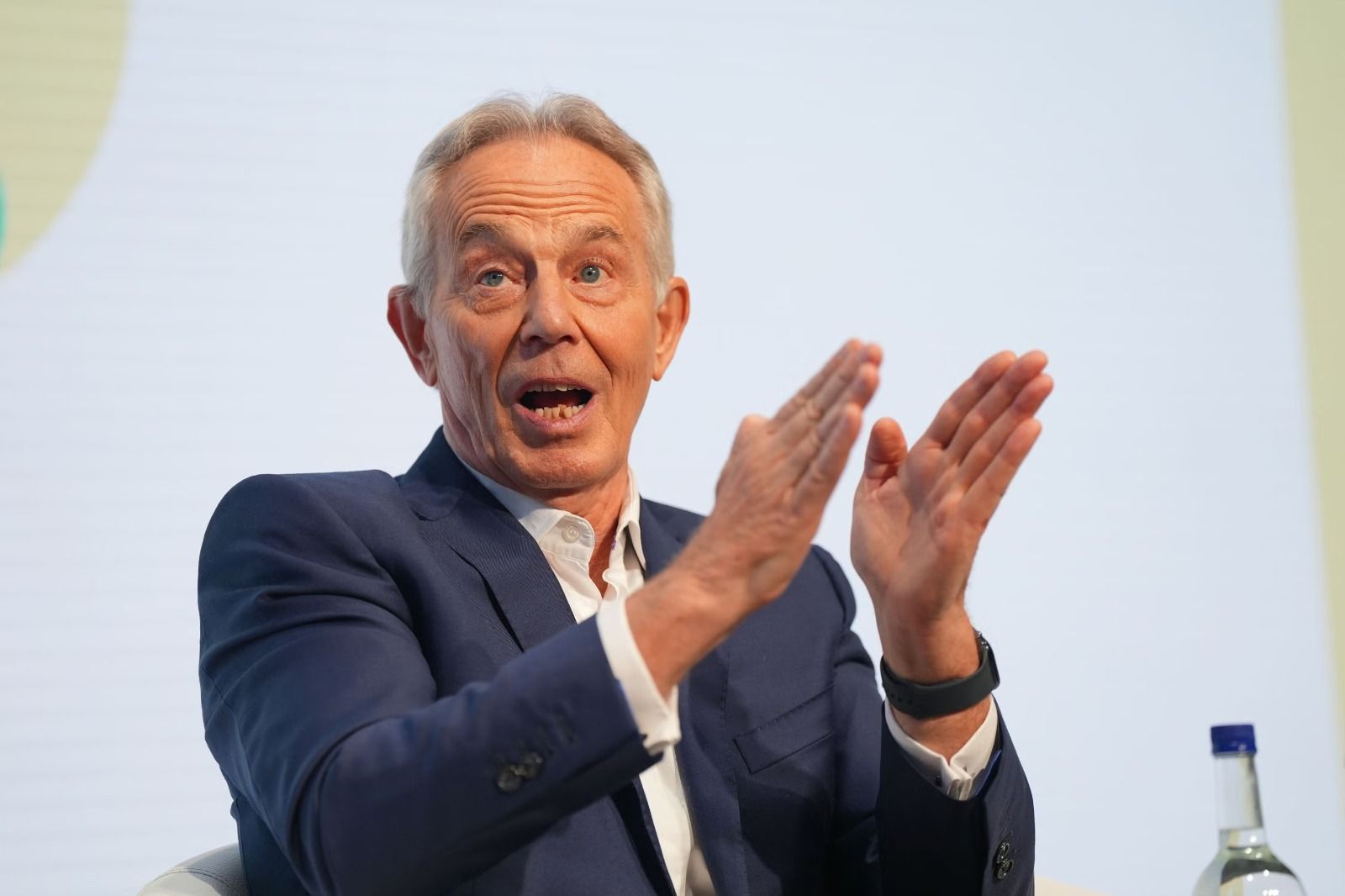
Blair calls on Labour to abandon ideology and embrace a “radical centre” or face relegation
 The text also targets the two main contenders to succeed Starmer in the leadership election being pressed for from the parliamentary base
 Former British Prime Minister Tony Blair intervened on Wednesday in the Labour Party's internal crisis with an essay of more than 5,600 words published on the website of his organization, the Tony Blair Institute, in which he demands that his party colleagues abandon ideological disputes, adopt what he calls a “radical centre,” and formulate a national project before contesting the party's leadership. “Trying to remove a prime minister before even knowing what new political direction is being proposed is not a way to behave,” the former Labour leader wrote, in an intervention that has received no public backing from the party's main figures.
Blair characterized Prime Minister Keir Starmer's victory in the 2024 elections not as a win on its own merits but as the result of being “an acceptable default option against a Conservative government that, in the view of citizens, had behaved unacceptably.” The text also targets the two main contenders to succeed Starmer in the leadership election being pressed for from the parliamentary base: former Health Secretary Wes Streeting, of the party's social-liberal wing, and the Mayor of Manchester, Andy Burnham, of the left wing. Blair describes both — Streeting as “a politician of enormous talent” and Burnham as “an important member of my government” — but argues that the debate they are staging “has an extraordinary retro flavour reminiscent of the twentieth century.”
On the programmatic front, Blair demands that the party embrace artificial intelligence as a central economic axis, support the increase in NATO spending demanded by President Donald Trump, and postpone any debate on the UK's return to the European Union until the country recovers economic strength and international influence. On the Iran war, he argues that the government should have allowed US forces to use British military bases in the area for refueling operations, “because the United States remains the central core of the security alliance to which the United Kingdom belongs, and loyalty means standing with them when it is difficult or unpopular.” The former leader also criticized Starmer's economic policy for maintaining electoral commitments, improving workers' rights, and raising the minimum wage above inflation rather than prioritizing North Sea gas and oil extraction. “Without such an agenda, radical but sensible, the UK will continue its descent into Premier League relegation,” he concluded.
The sharpest response came from Burnham, the polling favourite to succeed Starmer, in remarks to The Observer. “If you don't understand that that is today the main factor driving politics,” he said in reference to the growing inequality afflicting the United Kingdom over the past forty years — a period that Burnham chose to include Blair's own governments in — “then you are not understanding anything that is happening. And he doesn't mention that inequality even once in his text.” The general reception of the essay within Labour ranks reproduces a familiar pattern: while some may still feel nostalgia for the golden era of Blair's three New Labour terms, many more reject a figure who in recent years has deepened his ties with the Davos elite, participated in Trump's plan for Gaza, and continues to defend the Iraq war.


Top Comments
Disclaimer & comment rulesCommenting for this story is now closed.
If you have a Facebook account, become a fan and comment on our Facebook Page!