MercoPress. South Atlantic News Agency


Israel and Hezbollah keep firing despite Trump's announcement of an end to hostilities
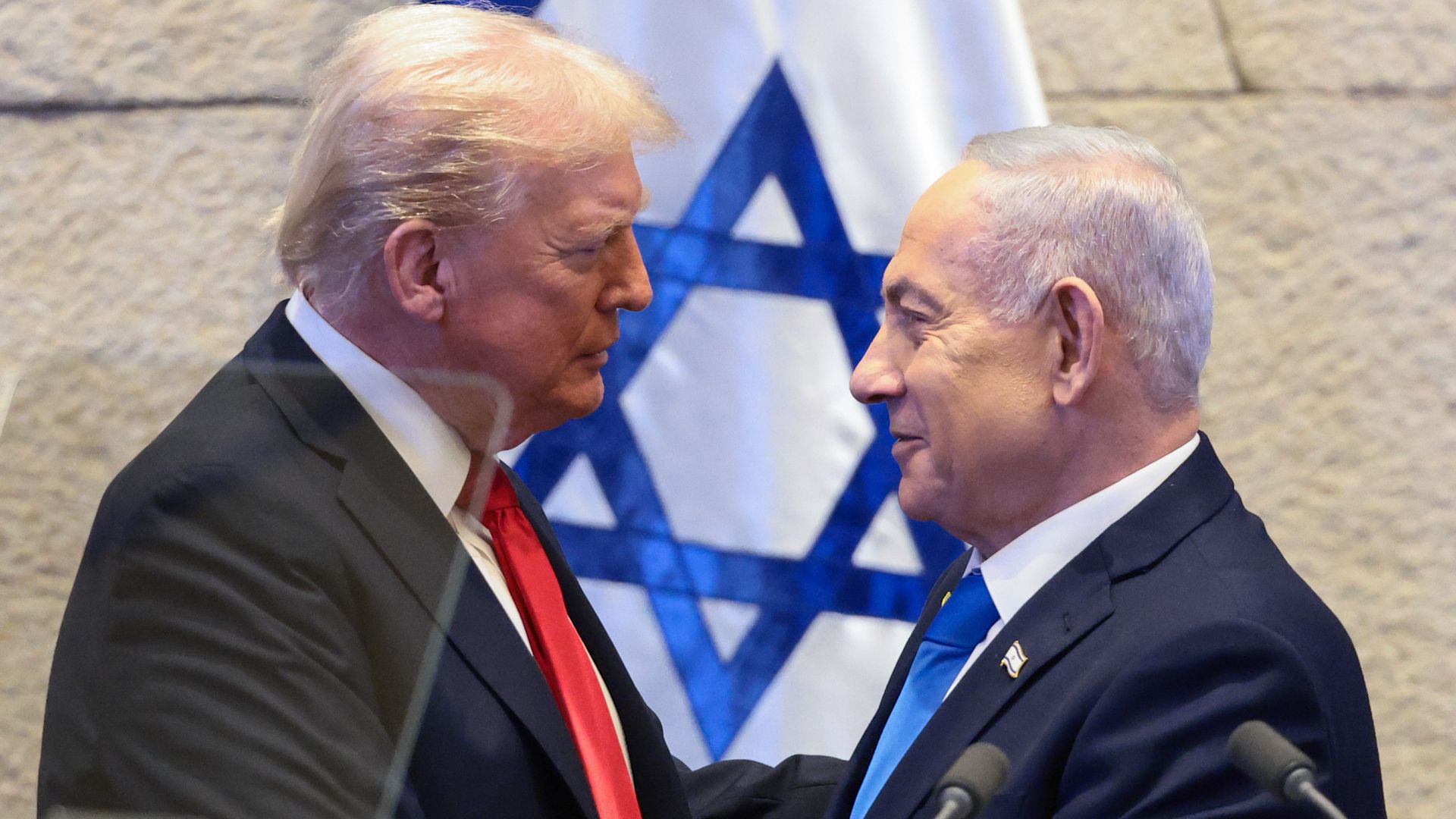 Netanyahu emerged battered, at home and abroad, from his intention the previous day to launch a wave of bombings on Beirut, canceled on Trump's orders
 A day after US President Donald Trump announced an agreement to end the military clashes in Lebanon, the fighting continued on Tuesday with little change from previous days. Israel is limiting itself to not striking Beirut, but its bombings killed 12 people in various parts of the country. Hezbollah, for its part, kept firing, though it stopped aiming at the Israeli towns farthest from the border that it had recently been targeting.
The Israeli military also issued its first evacuation order since Trump's announcement, directed at residents still in Nabatiye, a southern Lebanese city that had 40,000 inhabitants before the war that began in 2024. As in other towns, they are being forced to move north of the Zahrani River, about 40 kilometers from the border.
Hezbollah, meanwhile, fired projectiles not only at troops inside Lebanon —where it killed three soldiers over the past two days— but also at Israeli border towns. Benjamin Netanyahu's government has conditioned its restraint over Dahiye, the Shiite-majority suburbs of Beirut, on Hezbollah not attacking those municipalities. “If there is no calm here, there will be no calm there,” warned Defense Minister Israel Katz, who stressed that at this moment “there is no ceasefire inside Lebanon” and that the army continues to operate against the militia. Katz said the United States was aware of that policy and agreed with it.
Trump had announced on Monday that Israel and Hezbollah would halt hostilities and that no troops would enter Beirut. The Lebanese Embassy in Washington confirmed that the militia accepted a US ceasefire proposal, in a mediation in which Qatar worked alongside the United States to head off a strike on the capital.
Netanyahu emerged battered, at home and abroad, from his intention the previous day to launch a wave of bombings on Beirut, canceled on Trump's orders. According to the US digital outlet Axios, which cites two American officials and a third source aware of the conversation, Trump phoned the prime minister and, amid reproaches and insults, demanded that he suspend the planned strikes, worried they would derail the dialogue with Iran. In that account, the US president reminded Netanyahu that he was “saving” him and alluded to his legal situation. The reference is linked to Trump's efforts to have Israeli President Isaac Herzog grant the prime minister a pardon over the three corruption charges he faces.
The reversal fueled criticism in a pre-election climate: Israel will go to the polls in October, or perhaps September if a move to dissolve parliament advances. National Security Minister Itamar Ben Gvir, an ultranationalist, urged Netanyahu to say “no” to Trump. From the opposition, former prime minister Yair Lapid portrayed today's Israel as a “client” state of Washington, and the leader of Israel Beitenu, Avigdor Liberman, called the prime minister a “puppet” of Trump.
Netanyahu sought to shift attention and tout the war he launched against Iran alongside the United States. “The price Iran has paid is very high; the foundations of this regime of terror have cracked,” he said while bidding farewell to David Barnea, the outgoing head of the Mossad. ”It will not be what it was (...) its end will come.” Israel insists that the mission in Iran is not over and is pressing Trump to resume it.


Top Comments
Disclaimer & comment rules-

Read all commentsWow, somebody's not telling the truth...
Jun 03rd, 2026 - 01:43 am 0Commenting for this story is now closed.
If you have a Facebook account, become a fan and comment on our Facebook Page!