MercoPress. South Atlantic News Agency
Elon Musk becomes the world's first trillionaire after SpaceX's record stock debut
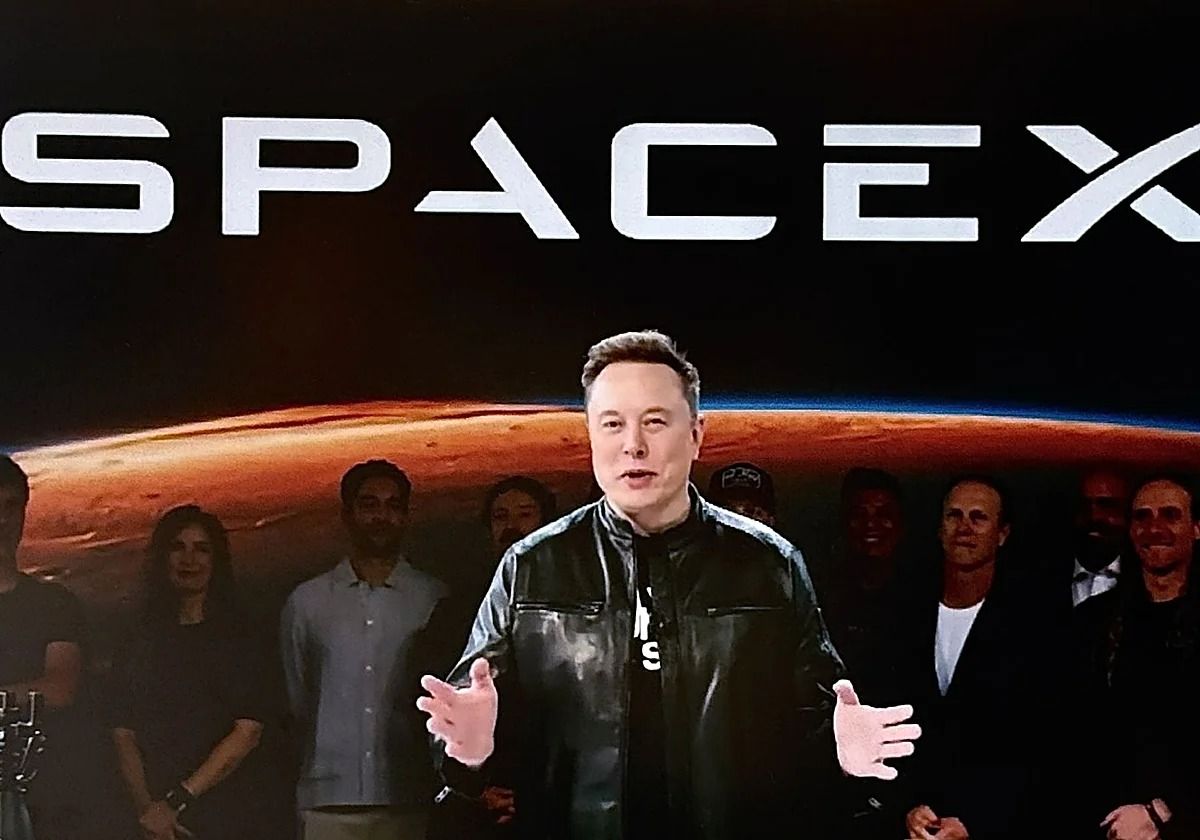 SpaceX shares began trading on the Nasdaq, under the ticker “SPCX,” at $150, above the $135 listing price
 Technology magnate Elon Musk became the world's first trillionaire on Friday, after his aerospace company SpaceX made its stock-market debut. Following the IPO, which raised a record roughly $75 billion and valued the company at about $1.77 trillion, the net worth of the owner of Tesla, the social network X and Neuralink stood at around $1.1 trillion.
SpaceX shares began trading on the Nasdaq, under the ticker “SPCX,” at $150, above the $135 listing price. With that, Musk came to be worth more than the next five billionaires on the list combined; the second, Google co-founder Larry Page, stands at about $290 billion, according to Forbes. It is, however, wealth “on paper”: most of it is in shares rather than cash, so while Musk can borrow against his holdings, a large-scale sale could sink the value of his companies.
The milestone reignited the debate over inequality. A report by Oxfam Intermón calculates that the entrepreneur's fortune is equivalent to that of the poorest 46% of the world's population, some 3.8 billion people, and, according to an analysis by Le Grand Continent, exceeds the annual gross domestic product of 172 countries. “That Elon Musk's fortune surpasses a trillion dollars marks an unprecedented milestone in the advance of oligarchic power and a dark day for democracy,” said Susana Ruiz, head of Fiscal Justice at Oxfam. The organization estimated that a 10% tax on that fortune would be enough to eradicate extreme poverty worldwide for a year.
Oxfam also highlighted the support Musk obtained from the US government after being, with more than $250 million, one of the main funders of Donald Trump's campaign. About a fifth of SpaceX's revenue comes from federal contracts, some signed while the entrepreneur headed the Department of Government Efficiency (DOGE), from which he cut development-aid programs and thousands of public-sector jobs, according to an investigation by The New York Times.
The operation —the largest IPO in history— also benefited prominent investors, several of them in the Persian Gulf. Saudi Prince Alwaleed bin Talal could see his stake valued at about $10.6 billion, while sovereign wealth funds from Saudi Arabia and the United Arab Emirates have expanded their presence in SpaceX and in xAI, Musk's artificial intelligence firm, in what analysts read as a reinforcement of the alliance between the Gulf petro-monarchies and the United States.


Top Comments
Disclaimer & comment rulesCommenting for this story is now closed.
If you have a Facebook account, become a fan and comment on our Facebook Page!