MercoPress. South Atlantic News Agency



Why More New Zealanders Are Choosing Mobile Gaming Over Traditional Entertainment
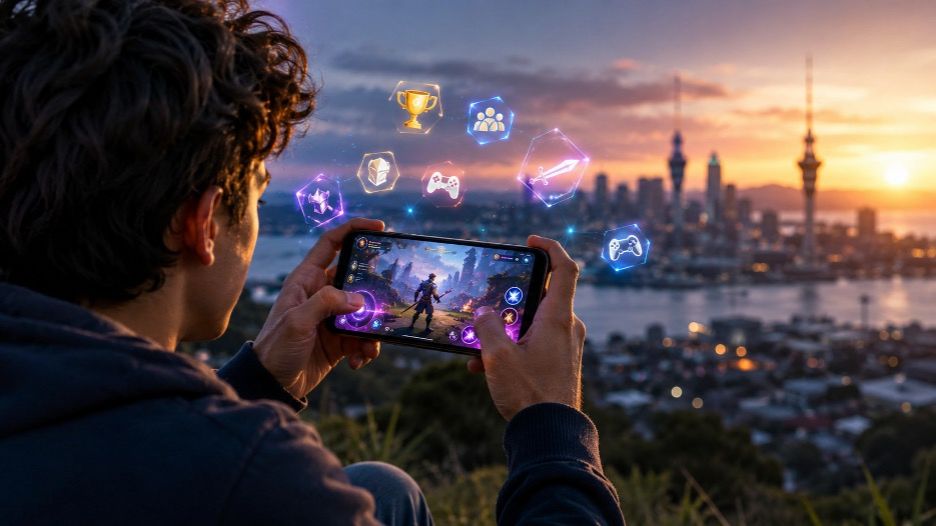
If you sit in any café in Auckland for long enough, you'll probably notice the same thing. Almost everyone has a phone in their hand. Some people are checking messages, some are scrolling through social media, and others are playing games. It's become such a normal part of everyday life that most people don't even think about it anymore.
That's one reason mobile gaming has grown so quickly in New Zealand. People don't need to set aside an evening or turn on a console. A game is already there on the device they carry everywhere. A few minutes while waiting for a friend can easily turn into half an hour without even noticing.
The same shift has changed what players expect from online gaming platforms. If something doesn't work properly on a phone, many users simply move on. Vegas Hunter New Zealand https://vegashunternz.com/ is built with that reality in mind. Players can browse games, check promotions, manage their accounts, and play directly from their smartphones without feeling like they're using a stripped-down version of a desktop site.
For a lot of people, mobile isn't an alternative anymore. It's the main way they go online, and gaming has naturally followed the same path.
Smartphones Are No Longer Just Phones
The smartphone has become the default device for almost everything. People use it to pay bills, book flights, message friends, watch videos, order food, and follow sports. Gaming naturally found its place in that ecosystem.
For many people, choosing a phone over a console isn't really a conscious decision. The phone is simply there. It's already charged, connected to the internet, and sitting in a pocket or on a desk. Opening a game takes seconds.
That level of accessibility changes behaviour. A console session often requires planning. A mobile game doesn't.
Modern devices have also removed many of the technical limitations that once held mobile gaming back. Screens are larger, processors are faster, and graphics have improved dramatically. Some mobile games now look better than PC games from only a few years ago. Players notice that difference, even if they aren't paying attention to the technology behind it.
Gaming Has Adapted to Real Life
One thing that stands out when looking at mobile gaming trends is how well they fit around modern schedules.
Not everyone has the time to spend three or four uninterrupted hours gaming in the evening. Work commitments, family life, study, and social activities all compete for attention. Entertainment that can fit into smaller gaps during the day often has an advantage.
That's where mobile gaming thrives.
A few minutes while waiting for a coffee. A quick session before bed. A game during a commute. None of these moments feel significant on their own, but together they create a pattern. Gaming becomes something flexible rather than something that requires dedicated time.
This is also why mobile gaming appeals to people who may never have considered themselves gamers in the traditional sense. The experience feels casual, approachable, and easy to fit into everyday routines.
Faster Networks Have Changed Expectations
People rarely talk about mobile internet when discussing gaming trends, but it has played a huge role in shaping the current landscape.
A decade ago, slow connections were simply accepted as part of the experience. Downloads took time. Multiplayer games could feel frustrating. Streaming was often unreliable.
Today, expectations are completely different.
Players expect games to load instantly. They expect updates to happen in the background. They expect live content, multiplayer features, and seamless connectivity wherever they happen to be.
In New Zealand, improvements in mobile infrastructure have helped make those expectations realistic. The technology itself often fades into the background, which is usually a sign that it's working well. People stop thinking about connection speeds and focus on the experience instead.
And that's often when a technology reaches maturity.


Top Comments
Disclaimer & comment rulesCommenting for this story is now closed.
If you have a Facebook account, become a fan and comment on our Facebook Page!