MercoPress. South Atlantic News Agency

US rebuilds its tariff wall with forced-labor levies on 60 economies
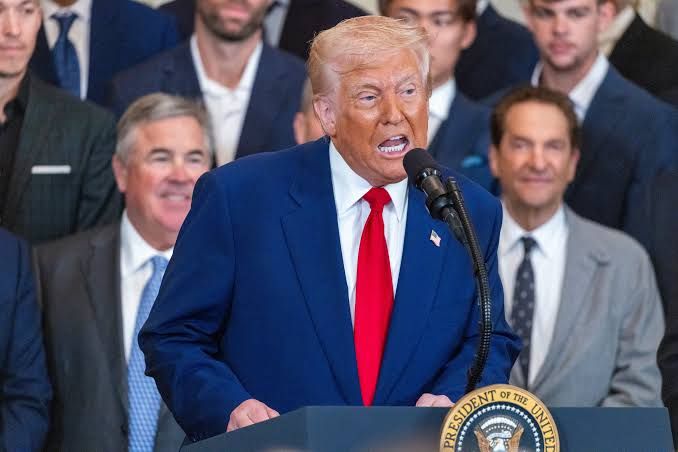 The levies are applied under Section 301 of the 1974 trade law, which allows a response to unfair trade practices following an investigation
 The United States imposed tariffs of between 10% and 12.5% on 60 trading partners, which together account for about 99% of its imports, over what the Office of the US Trade Representative (USTR) described as their failure to adopt and effectively enforce bans on the import of goods produced with forced labor. The measures, announced on Thursday, took effect at 12:01 a.m. on Friday, at the same moment the 10% universal tariff in place since February expired.
The levies are applied under Section 301 of the 1974 trade law, which allows a response to unfair trade practices following an investigation. The move is the biggest effort by Donald Trump's administration to rebuild its tariff framework after the Supreme Court struck down his “reciprocal” tariffs in February, finding that the administration had exceeded its authority by invoking an emergency powers law. The temporary tariff that replaced them, issued under Section 122, was valid for 150 days without congressional approval.
The final breakdown sets a 10% tariff for seventeen economies that adopted restrictions or committed to doing so — among them Canada, Mexico, the United Kingdom, and India — effective rates of 10% to 12.5% depending on the product for another five, and 12.5% for the remaining 38. Several countries changed their legislation after the proposal was made public in June and moved to the lower band; India, for instance, had initially been placed at 12.5%. Oil and gas, fertilizers, and goods qualifying as duty-free under the North American trade agreement are exempt, as are goods in transit.
“The United States has had a forced labor import ban for nearly a century, and rigorously enforces it; it's well past time for our trading partners to do the same,” said Trade Representative Jamieson Greer, who argued the action corrects “both a human rights abuse and distortive trade practice.” A senior official, speaking on condition of anonymity, described it as the most significant international labor-rights action undertaken by any country.
Several partners rejected the accusation. The European Union dismissed it explicitly even before the final determination. Tariffs are paid by US companies importing the products, which typically pass the cost on to consumer prices.
The measure adds to other recent actions under the same legal instrument: the 25% tariffs on most Brazilian products took effect on Wednesday, and this week Trump signed proclamations to apply additional 50% levies in 30 days on a range of Canadian goods. Several companies are expected to challenge the new round in court.


Top Comments
Disclaimer & comment rulesCommenting for this story is now closed.
If you have a Facebook account, become a fan and comment on our Facebook Page!