MercoPress. South Atlantic News Agency


Trump asks the Supreme Court to allow his mail-voting restrictions before the midterms
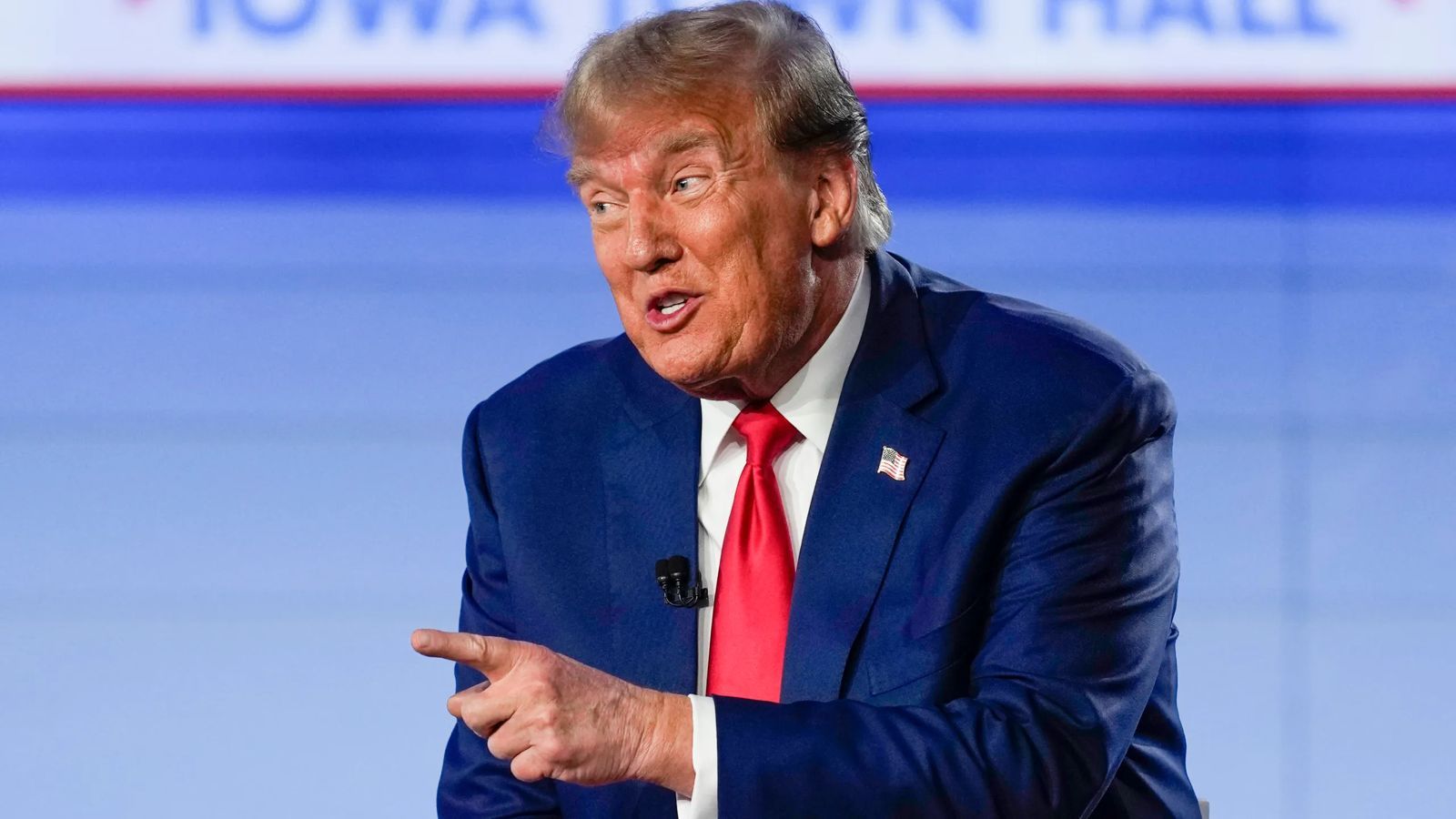 Trump has repeatedly maintained that mail-in voting facilitates electoral fraud
 The US government on Monday filed an emergency request with the Supreme Court seeking authorization to implement President Donald Trump's executive order restricting mail-in voting, which lower courts have blocked. The request comes 99 days before November's midterm elections, which will determine control of Congress.
The filing followed by two days a decision by the First Circuit Court of Appeals, based in Boston, which refused by a two-to-one vote to stay the injunction issued on June 25 by a district judge. That ruling keeps the order blocked in twenty-three Democratic-led states and the District of Columbia, which sued the administration.
The order, signed in March, tasks the director of Citizenship and Immigration Services and the commissioner of the Social Security Administration with drawing up a list of eligible voters, and bars the Postal Service from sending ballots to anyone not on it. The plaintiff states argue that the Constitution reserves the conduct of elections to the states and Congress, not the executive branch, an argument accepted in the earlier rulings.
In its filing before the high court, the administration framed the order as “general policy guidance” and stressed that the Postal Service has not finalized any regulations. The appeals judges had noted, by contrast, that the measure sets rapidly approaching deadlines requiring states to reorganize their procedures immediately, while also ensuring that officials and the public understand the rules governing the September and November votes. A White House spokesperson said the lower courts' decision “is not the final say” and that the administration expects a favorable outcome.
Trump has repeatedly maintained that mail-in voting facilitates electoral fraud. Election officials, courts, and federal agencies concluded that there was no evidence of widespread fraud in the 2020 elections, when that method saw unprecedented use during the pandemic, and noted that the system includes multiple verification and audit mechanisms.
The initiative is part of a broader set of government actions on electoral matters. The administration is pressing Congress to pass the SAVE America Act, which would require documentary proof of citizenship to register on the federal roll and remains stalled in the Senate, and has sued twenty-nine states to obtain copies of their voter registries, which include dates of birth, driver's license numbers, and portions of social security numbers. Courts have blocked access in three states and have yet to rule in the rest.


Top Comments
Disclaimer & comment rulesCommenting for this story is now closed.
If you have a Facebook account, become a fan and comment on our Facebook Page!