MercoPress. South Atlantic News Agency
Nicaragua advances reform that would extend the presidential term to seven renewable years
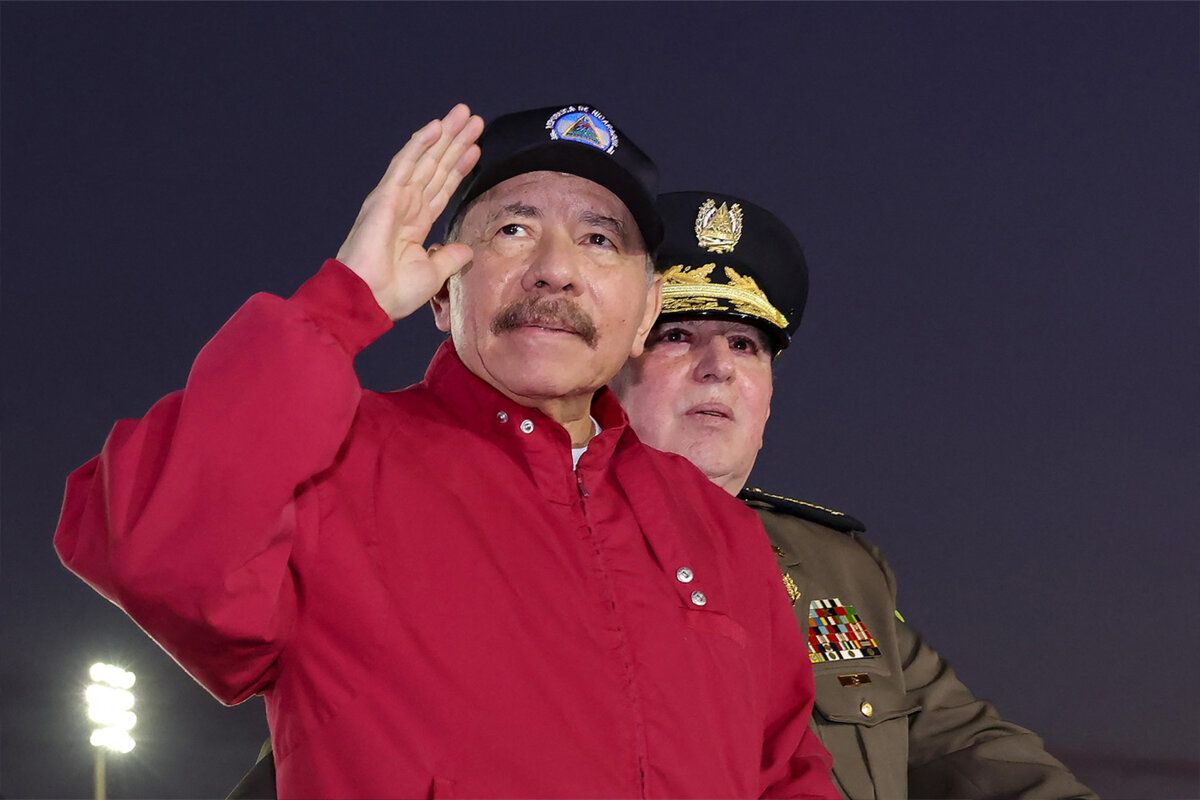 Daniel Ortega said on July 19, at the ceremony marking the 47th anniversary of the Sandinista revolution, that there would be no more elections in the country
 Nicaragua's National Assembly this week opened consultations on a constitutional reform bill that would extend the presidential term from six to seven years on a renewable basis and impose restrictions on the participation of the government's opponents. The text is due to be voted in early September.
The reform requires approval in two legislatures, meaning ratification would come in the first half of 2027. It is the second constitutional change in 18 months: the February 2025 amendment had already extended the term from five to six years, created the post of co-president for Rosario Murillo and reshaped the structure of the state, changes criticized by the UN, the OAS, the United States, the European Parliament and the opposition. That reform pushed general elections scheduled for November 2026 to November 2027.
The scope of the initiative is subject to opposing readings. Daniel Ortega said on July 19, at the ceremony marking the 47th anniversary of the Sandinista revolution, that there would be no more elections in the country, and announced laws to put up a wall against those he calls coup plotters. Parliament Speaker Gustavo Porras subsequently maintained that elections will be held, though under a constitutional framework shielding them from foreign interference. The full text of the bill has not been released.
During the consultations in parliament, Porras said the proposal also sets seven-year terms for the appointment of the army commander in chief and of police chiefs. Murillo said the process had been shared with the diplomatic corps and would be discussed with all sectors before approval.
Ortega's remarks prompted international reaction. US Secretary of State Marco Rubio issued a call to action to countries in the region on July 21. Panama and the Dominican Republic recalled their ambassadors from Managua for consultations, and Luiz Inácio Lula da Silva also voiced criticism. The governments of Mexico and El Salvador have not commented. According to El País, the US ambassador to the OAS, Andrew Stevenson, requested a meeting of foreign ministers to deliberate on collective measures, and specified that the resolution he is sponsoring does not authorize the use of armed force. Nicaragua announced its withdrawal from the OAS in 2021, and it took effect in November 2023.
A survey by the exiled opposition organization Hagamos Democracia put at 44.9% the share favoring more direct intervention by the United States or other international actors. The organization itself acknowledges that it did not define the term and that the questionnaire was framed around earlier remarks by Rubio; no sample size or margin of error is given. Some 38.9% of respondents anticipated that greater pressure would harden repression.
The regional context shifted after the capture of Venezuelan President Nicolás Maduro in January, in a US military operation in Caracas, which Ortega referred to critically in his speech.


Top Comments
Disclaimer & comment rulesCommenting for this story is now closed.
If you have a Facebook account, become a fan and comment on our Facebook Page!