MercoPress. South Atlantic News Agency


Bachelet places fourth in first Security Council straw poll ahead of Uruguay debate
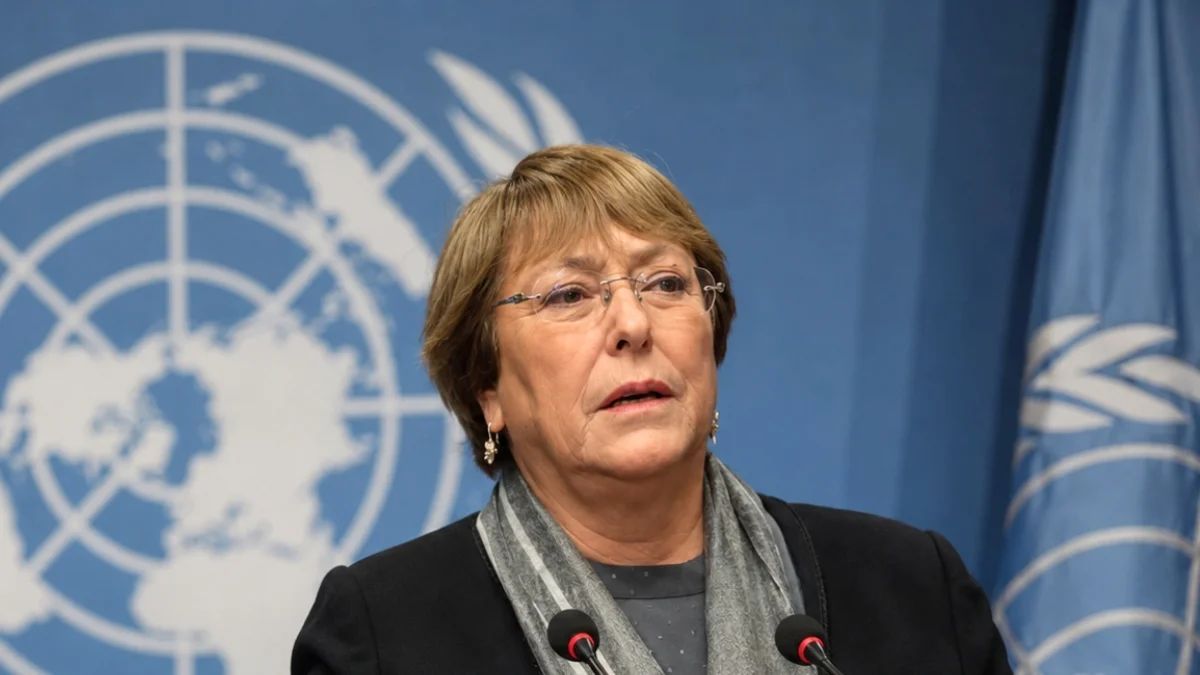 Bachelet, 74, a former executive director of UN Women and former high commissioner for human rights, faces an unusual situation: her candidacy lacks the backing of her own country's government
 Former Chilean president Michelle Bachelet placed fourth in the Security Council's first informal poll on the candidates seeking to succeed António Guterres at the head of the United Nations, held behind closed doors in New York on Thursday.
According to figures attributed to diplomatic sources, Costa Rica's Rebeca Grynspan led the round with ten encouraging votes, one against and four no-opinion ballots, followed by Guyana's Carolyn Rodrigues-Birkett with nine, two and four, and Argentina's Rafael Grossi with seven, five and three. Bachelet received six votes in favor, five against and four no-opinion. Behind her came Senegal's Macky Sall, Ecuador's María Fernanda Espinosa and Uganda's Olara Otunnu, who entered the race in recent days.
The outcome is formally secret. The Council's rotating president, Congolese Ambassador Zénon Mukongo Ngay, confirmed the poll had taken place without releasing figures, and how each of the fifteen members voted is not known. The straw polls are informal and non-binding, intended to test the viability of candidacies before the Council recommends a name to the General Assembly. Guterres's term ends on December 31.
Bachelet, 74, a former executive director of UN Women and former high commissioner for human rights, faces an unusual situation: her candidacy lacks the backing of her own country's government. It was presented in February by then-president Gabriel Boric together with the governments of Mexico and Brazil, but in March José Antonio Kast's administration withdrew its sponsorship, while pledging not to support any other contender.
The Chilean government argued that the chances of success were low given the number of Latin American candidacies and the lack of support among the five permanent members. The opposition attributed the decision to pressure from Washington, without providing evidence.
Brazil and Mexico maintained their support. Brazilian diplomatic sources said the candidacy is a priority for Luiz Inácio Lula da Silva. A group of former Chilean foreign ministers from across the political spectrum organized to advise Bachelet and arrange meetings with Council members. Heraldo Muñoz, foreign minister during her second term, said the sponsorship of both countries offsets the Chilean withdrawal and that Thursday's result was received calmly.
Academics consulted by EFE said there is no recent precedent for a case of this kind. The UN observes an unwritten regional rotation that would now fall to Latin America, and several states are calling for the post to go to a woman for the first time. According to EFE, the seven candidates debate on Monday in Uruguay.


Top Comments
Disclaimer & comment rulesCommenting for this story is now closed.
If you have a Facebook account, become a fan and comment on our Facebook Page!