MercoPress. South Atlantic News Agency
Brasília accuses Washington of seeking to interfere in the October elections
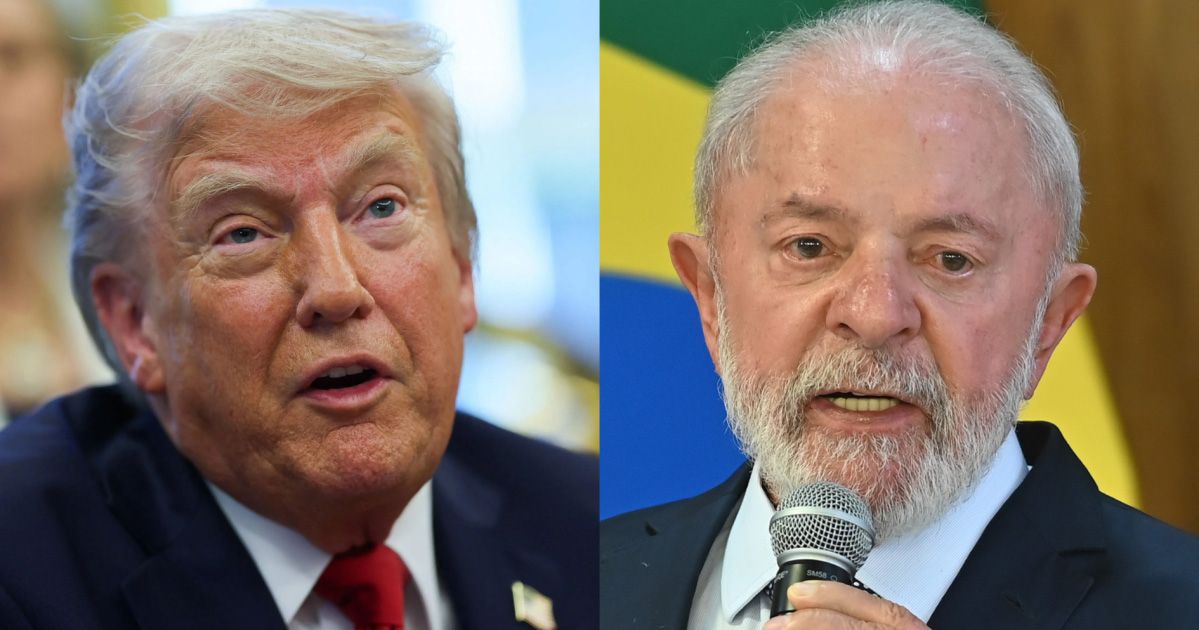 The deterioration dates back a year, when Washington imposed 50% tariffs on Brazilian goods during Bolsonaro's trial; he was later sentenced to 27 years
 Brazil's government on Tuesday accused the United States of attempting to interfere in the October 4 presidential election, responding to the revocation of the visa of its ambassador in Washington, Maria Luiza Ribeiro Viotti.
Tuesday's decision is not an isolated event, said a statement issued by the presidency's communications office, but part of a deliberate escalation of hostile measures toward Brazil, driven by ideological reasons incompatible with a bilateral partnership always founded on mutual respect. It added that the interest in interfering in the coming election was evident.
Brasília called both US justifications false. It argued that the diplomatic approval process is confidential and carries no preset deadlines, that the request remains under review, and that Washington made public the name of its nominee, Florida legislator Daniel “Danny” Perez, before formally submitting the request, which it regards as contrary to protocol. Perez was nominated on June 1. Itamaraty also said it received no advance notice of the revocation.
The United States frames the measure differently. State Department officials described it as a reciprocal action over the delay in granting approval and the denial of visas, specified that Viotti was not declared persona non grata or expelled, and said the document would be restored immediately if Brazil grants the approval. Viotti has been ambassador since 2023 and is the first woman to head that mission.
The revocation came ten days after Brazil denied visas to two US officials. Washington says they intended to visit the country ahead of the election; according to The Washington Post, Riley Barnes, assistant secretary of state for democracy, human rights and labor, and deputy assistant secretary Samuel Samson planned to challenge the reliability of Brazil's electoral system. Both report to Secretary of State Marco Rubio. The Brazilian government said they sought to cast doubt on the integrity of the voting system.
The Brazilian statement recalled that Magnitsky Act sanctions remain in force against officials in the country, including Supreme Federal Court justices, imposed after Jair Bolsonaro's conviction for attempting a coup, and that Lula requested their removal during his White House visit in May.
The deterioration dates back a year, when Washington imposed 50% tariffs on Brazilian goods during Bolsonaro's trial; he was later sentenced to 27 years. Recent weeks brought additional duties of 25% over alleged unfair competition and 12.5% over forced labor. Brazil considered invoking its reciprocity law but chose not to escalate. The US embassy in Brasília has no ambassador.
Brazilians vote on October 4 between Lula, seeking a fourth term at 80, and Senator Flávio Bolsonaro. Polls give Lula a narrow lead.


Top Comments
Disclaimer & comment rules-

Read all comments“CHARTER OF THE ORGANIZATION OF AMERICAN STATES
Aug 07th, 2026 - 04:29 pm 0The American States reaffirm the following principles:
Article 12
The fundamental rights of States may not be impaired in any manner whatsoever.
Article 13
The political existence of the State is independent of recognition by other States. Even before being
recognized, the State has the right to defend its integrity and independence, to provide for its preservation and prosperity, and consequently to organize itself as it sees fit, to legislate concerning its interests, to administer its services, and to determine the jurisdiction and competence of its courts. The exercise of these rights is limited only by the exercise of the rights of other States in accordance with international law.
Article 19
No State or group of States has the right to intervene, directly or indirectly, for any reason whatever, in the internal or external affairs of any other State. The foregoing principle prohibits not only armed force but also any other form of interference or attempted threat against the personality of the State or against its political, economic, and cultural elements.”
Commenting for this story is now closed.
If you have a Facebook account, become a fan and comment on our Facebook Page!