MercoPress. South Atlantic News Agency



PM Burnham hands mayors share of income tax “to make lives better in every postcode”
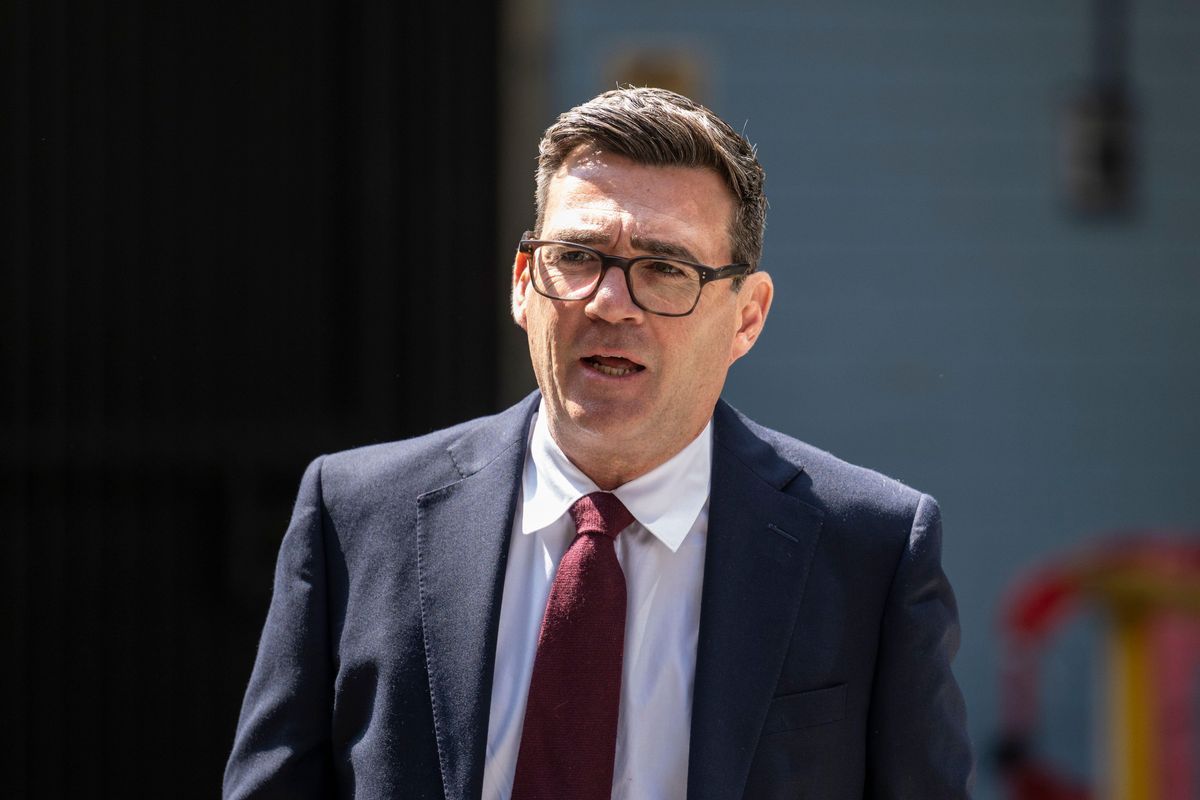 Prime Minister Andy Burnham said: “I said we’d take power out of Westminster and carry it into every postcode in the country. Today, we make good on that promise.
 The Prime Minister Andy Burnham has launched the biggest transfer of power from Westminster in a generation, giving communities greater control over the decisions that shape jobs, transport, housing and public services in their area.
The Prime Minister will today launch the biggest transfer of power from Westminster in a generation, giving communities greater control over the decisions that shape jobs, transport, housing and public services in their area.
As part of the largest package of financial powers ever offered to English mayors, mayors will receive a share of income tax revenues for the first time.
This means when places create jobs and grow their economies, they will now keep more of the rewards – giving local leaders new powers to invest in what matters most locally.
The government wants every community to benefit from stronger local decision-making. Areas without a mayor will still be supported to establish strategic authorities and gain greater control over local priorities.
In his second week in office, the Prime Minister told Cabinet that it is time to launch a new era of devolution – taking power and decision-making out of SW1 and putting it closer to people’s lives.
Prime Minister Andy Burnham said: “I said we’d take power out of Westminster and carry it into every postcode in the country. Today, we make good on that promise.
Under our plans, more of the taxes raised in a community will stay in that community. Soon, every local leader will have the power and resources to improve public transport, build homes and create jobs.
I know what it’s like to be ignored by politicians in Westminster. I’m not going to make that same mistake now I’m PM.
The whole of government will now pull together behind the people and places that desperately need our support. This is how we’ll bring back hope and bring power home to you.
The plans will end the Whitehall-first culture that has held back local areas for decades, forcing departments to justify why powers should stay in Westminster rather than be handed to local leaders.
By shifting power, funding and decision-making closer to people, the changes will give every part of the country the tools to create strong local economies, improve public services and shape its own future.”
Chancellor of the Exchequer, John Healey MP said: “The people who best understand what skills employers want, what transport an area needs and where investment can make the biggest difference are those who live there.
For the first time we’re giving Mayors a share of income tax so communities directly benefit when their economy grows - passing power out of Westminster and driving growth in every postcode.
This is the way we start to build new hope and advance the working people of this country.
From next spring, mayors will begin retaining a greater share of locally generated revenues, starting with business rates. Further details on this and on income tax retention will be set out in a roadmap at the Budget and will be underpinned by the government’s firm commitment to fiscal discipline.
Over time, local areas will move away from dependence on Whitehall grants and towards funding that rewards local growth.
The ambition is to extend the benefits of devolution across the whole UK, working with devolved governments and local leaders to give communities more control over their future.”
Local leaders will gain greater control over the services that shape people’s lives, including housing, transport, skills, employment support and public services. They include, * Bring rail and bus services under greater local control, helping introduce integrated ticketing and more reliable services. * Build more homes where they’re needed and unlock stalled development sites by giving local leaders stronger planning and regeneration powers and more devolved funding. * Give more control over large local transport schemes, trams and metros to Mayors, removing and streamlining Whitehall approvals. * Give mayors control over 16-19 funding and employment support, so young people can train for the jobs local employers need and people out of work can get tailored support back into employment. * Back local industries and innovative businesses, and attract investment, creating more well-paid jobs.* Where power is devolved, Whitehall resource will follow, giving devolved leaders the resources they need to drive change closer to home
Under a new “local first” principle, ministers will be expected to justify why powers should remain in Whitehall rather than being devolved.


Top Comments
Disclaimer & comment rulesCommenting for this story is now closed.
If you have a Facebook account, become a fan and comment on our Facebook Page!