MercoPress. South Atlantic News Agency



Bitcoin's Persistent Value as an Inflation Hedge in Mercosur's Stabilizing Economies
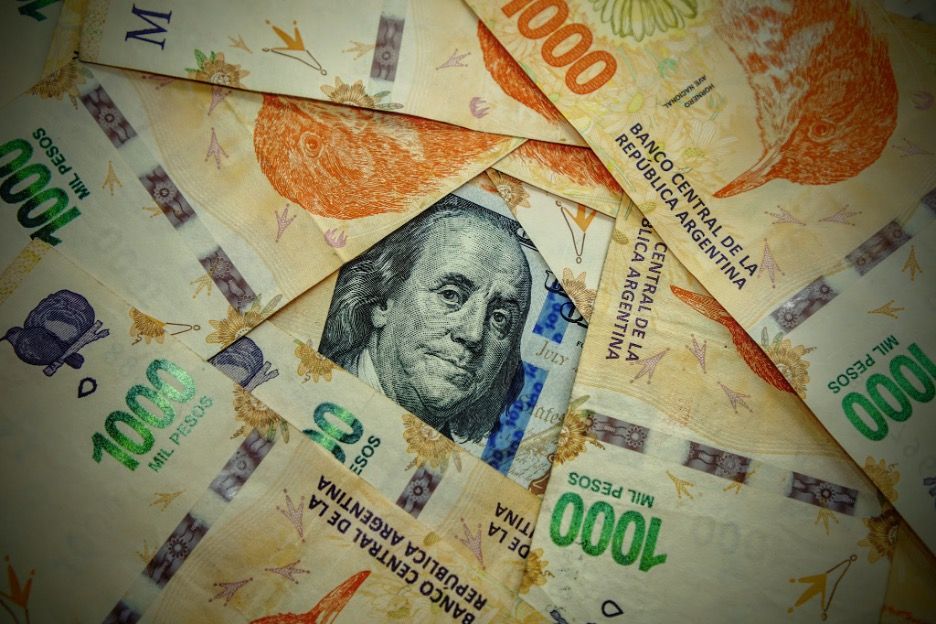
Fiscal reforms are reshaping parts of South America right now, and that's forcing a lot of portfolio conversations that wouldn't have made sense two years ago. Digital assets, once treated purely as emergency exits from collapsing currencies, are getting a second look. Not because they've changed. Because the ground underneath them has shifted.
From Santiago, the contrast with Argentina is hard to miss. President Javier Milei's austerity program has actually worked, at least on paper, and inflation numbers back that up. Yet cryptocurrency adoption hasn't slowed down the way you'd expect. That's the puzzle worth sitting with for a minute. Has Bitcoin's job in the region finished, or did it just quietly become something more permanent?
Fiscal Consolidation Brings Tangible Progress on Inflation
Milei's spending cuts weren't gentle, and the results show it. Annual inflation dropped from more than 117 percent in late 2024 to roughly 31 percent by the close of 2025, the lowest print in over seven years, according to Reuters polling of economists. Monthly numbers kept easing into 2026 too, often landing near 2 percent. That's real discipline, and it's helped settle expectations after years of people bracing for the next shock.
Still, old habits don't disappear overnight. Plenty of households and small businesses keep one eye on tools outside the traditional system, especially when a currency adjustment lands out of nowhere. Checking the bitcoin to USD conversion has become something of a reflex for that reason. It gives a globally referenced number, one that doesn't move because of a domestic policy announcement.
Bitcoin and Digital Assets as Practical Wealth Preservation Tools
Go back a few years and the logic was simple. Triple-digit inflation pushed people toward anything denominated in dollars, and crypto filled that gap fast. Research from the Milken Institute lays out how Argentina's earlier inflation spikes drove demand for Bitcoin and stablecoins as straightforward stores of value, particularly when peso devaluation and capital controls made the usual options feel like dead ends.
The scale of this isn't small either. Chainalysis data shows Latin America processed close to $1.5 trillion in crypto transaction volume between mid-2022 and mid-2025. Argentina accounted for $93.9 billion of that. Brazil led the region outright at $318.8 billion.
Stablecoins carried most of the weight in many of these markets, working almost like a shadow savings system while local currencies wobbled.
You see it in small, ordinary decisions. A shop owner in Buenos Aires setting aside part of the day's earnings in digital form. A family quietly building a cushion because the peso's next move is anyone's guess. Nothing dramatic about it, just people making a practical call.
Why Adoption Holds Steady Despite Policy Improvements
Here's the thing about habits formed under pressure. They stick around long after the pressure lifts. Studies looking at macroeconomic distortions across the region put the number at more than 11 million Argentines, over 20 percent of the population, actively using digital assets to manage volatility.
A few reasons keep showing up when you ask why this hasn't faded:
- Currency and capital control risks that can still eat into savings faster than official forecasts suggest.
- Genuine appeal in holding something uncorrelated for longer stretches, especially in a region prone to sudden turns.
- Cheaper, quicker options for remittances and cross-border payments within Mercosur, which frankly still needed fixing.
- Clean, globally visible pricing when domestic benchmarks start feeling like they're telling half the story.
What began as a defensive move, almost a panic reflex for some, has settled into something closer to a standard part of financial planning. Not flashy. Just there.
Real-World Signals from Argentina's Political and Economic Sphere
Sometimes the clearest evidence comes from unexpected corners. Official wealth disclosures in Argentina have started including Bitcoin holdings as a matter of course. One recent case involved a Cabinet official attributing close to $513,000 of personal wealth to earlier crypto investments, according to local reporting.
That kind of disclosure does two things at once. It shows digital assets have moved onto documented balance sheets, personal and institutional alike. It also brings a level of scrutiny that didn't exist when crypto was still seen as a fringe workaround. For everyday holders, the lesson is fairly plain. Bitcoin's hedging value isn't disappearing just because the broader economy is stabilizing. It's running in parallel.
Looking Ahead: A More Mature Role in Regional Finance
As Mercosur economies settle into calmer inflation ranges, Bitcoin's role looks like it's maturing rather than shrinking. Less of a fire alarm, more of a fixture. Stablecoins tend to handle the immediate need for stability day to day, while Bitcoin sits further out, held by people comfortable with its swings and its long game.
Keeping tabs on both policy shifts and market signals still matters, probably more than most people give it credit for. Live benchmarks remain a useful anchor, and thoughtful allocation can sit comfortably alongside broader economic gains rather than against them. Watching from Chile, Buenos Aires, or somewhere else in the region entirely, the takeaway is the same. Understanding these dynamics now puts you in a better spot for whatever the next phase brings.


Top Comments
Disclaimer & comment rulesCommenting for this story is now closed.
If you have a Facebook account, become a fan and comment on our Facebook Page!