MercoPress. South Atlantic News Agency


Uruguay's only industrial brewer negotiates cutting 80 jobs or ending production
 The company, owned by Brazil's Ambev, itself part of Belgium's AB InBev, employs slightly more than 500 people
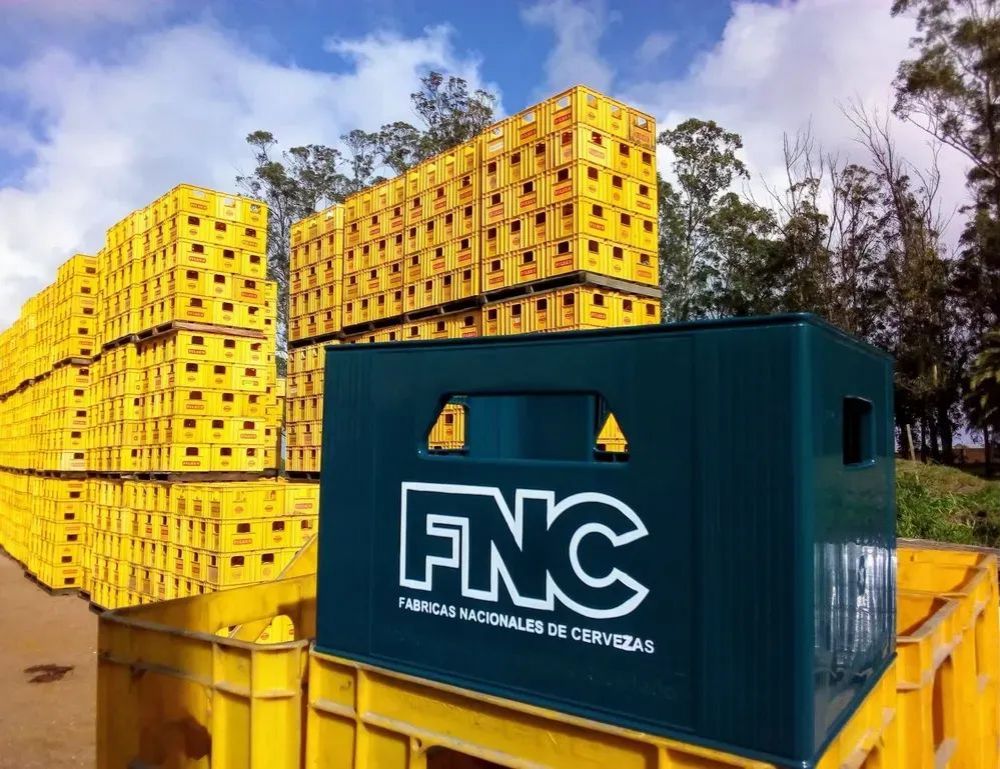
 Fábricas Nacionales de Cerveza (FNC), Uruguay's only industrial beer producer, is negotiating with the government and the trade union a restructuring that would cut 80 of the 400 jobs at its Montevideo and Minas plants. The company keeps a second scenario on the table, which the parties involved regard as less likely: abandoning local production and operating as an importer, with a workforce reduced to around 100 employees.
The company, owned by Brazil's Ambev, itself part of Belgium's AB InBev, employs slightly more than 500 people. Founded in 1866 by the German Conrado Niding, it concentrates all of the country's industrial production under the Pilsen, Patricia, Norteña and Zillertal brands.
FNC attributes the review to a loss of competitiveness. “Brewing a beer in Uruguay costs twice as much as brewing it in Argentina or Brazil,” it said in a statement, attributing the difference to logistics, labour and tax costs. The company is not making losses: it closed 2025 with around 20 million dollars in profits, after five years with results ranging between 7 and 17 million.
The backdrop is a shift in the market. Imported beer, mainly cans from Brazil, accounted for 3% of Uruguayan consumption in 2010, 17% in 2015 and a third in 2020, and in 2025 overtook domestic production for the first time. FNC's share of local sales fell from 90% to around 70%, a figure that includes beer the company itself imports. Uruguayans consume around one million hectolitres a year, some 30 litres per inhabitant.
Labour costs are the sharpest point of friction. The company says its lowest pay grade equals 3.4 minimum wages and its highest 5.1. Union president Bruno Pastorino counters that Uruguay's cost of living is not comparable to that of its neighbours and that the pay scales agreed in wage councils are “non-negotiable,” though he is open to discussing benefits agreed bilaterally. The 2025 accounts record 1,242 million pesos in salaries, 128 million in social security contributions and 485 million in benefits, around a quarter of revenue.
The company also wants distribution pay brackets levelled: its logistics operation, outsourced since 2023, falls under the beverage sector bracket, while several importers operate under wholesale commerce, where a driver's minimum wage is 40,700 pesos against 98,000. It has also raised energy costs and the rebate on the internal excise tax for glass containers, in force until 2021.
The parties agreed a 45-day negotiating window without industrial action. The Montevideo plant has resumed production, while the 59 workers at Minas remain on unemployment insurance. In 2024, a similar dispute ended with a 40% reduction in that plant's workforce.


Top Comments
Disclaimer & comment rulesCommenting for this story is now closed.
If you have a Facebook account, become a fan and comment on our Facebook Page!