MercoPress. South Atlantic News Agency

Colombia's earthquake toll rises to 329 dead and more than 300,000 affected
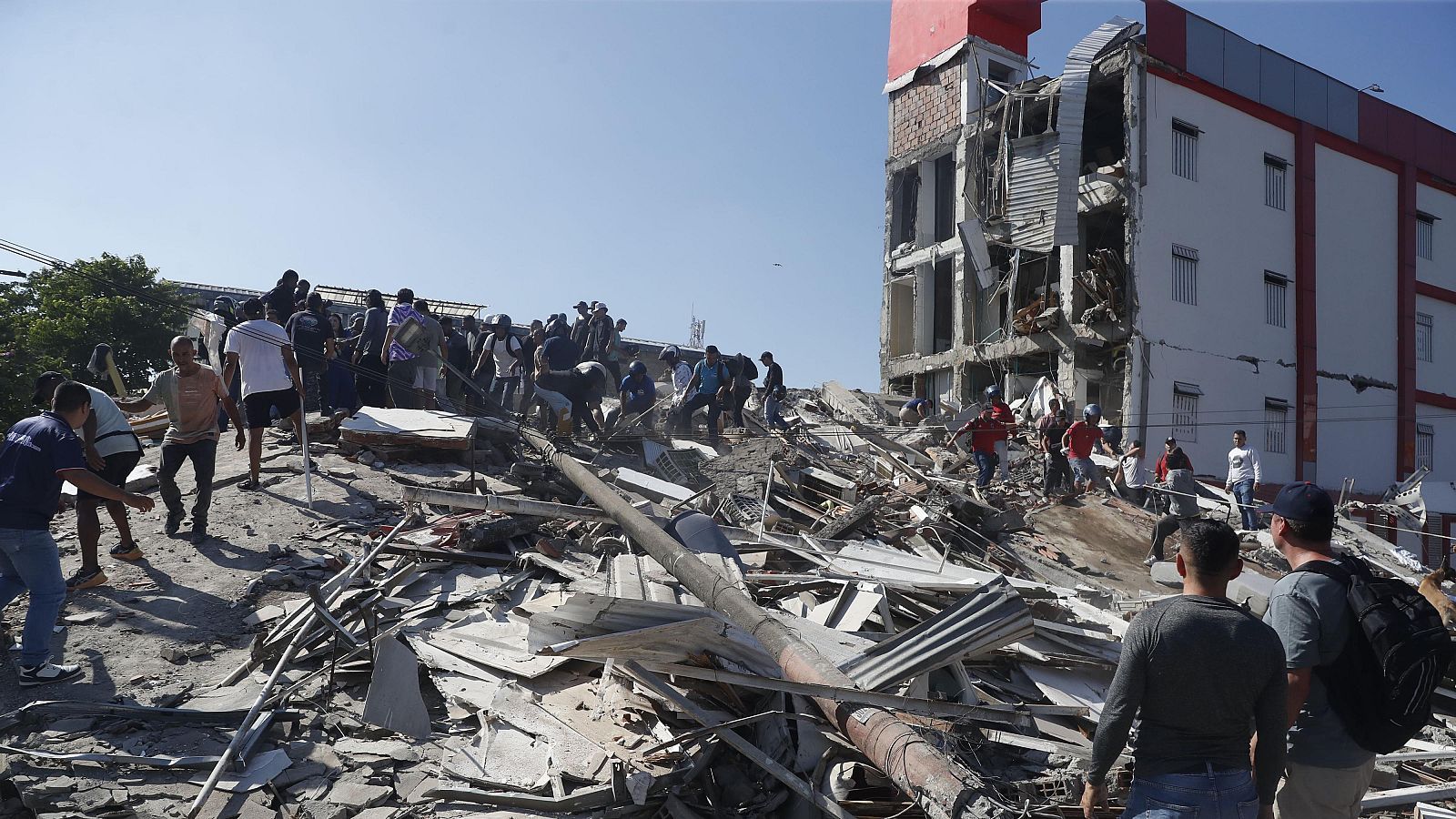 Records of material damage have also risen substantially: 171,273 homes damaged, 31,183 destroyed and 553 buildings collapsed, mainly in Cali and Pereira, the two worst-hit cities
 The magnitude 7.4 earthquake that struck western and central Colombia on August 10 has left 329 dead, 4,600 injured and 247 missing, according to the National Disaster Risk Management Unit's assessment as of Friday. The number of people affected stands at 314,751, from 154,014 families, across 481 municipalities in 16 of the country's 32 departments.
Records of material damage have also risen substantially: 171,273 homes damaged, 31,183 destroyed and 553 buildings collapsed, mainly in Cali and Pereira, the two worst-hit cities. Damage has also been recorded at 367 health centres, 3,710 schools, 5,584 community centres and 427 roads. The number of people rescued alive remains at 364.
The figures have varied considerably between the agency's successive reports. On August 12 the toll stood at 239 dead and 49,214 people affected; on August 16, at 289 and 185,016; on Friday, at 329 and 314,751. The number of missing has fluctuated between 143 and 379 depending on the day, and collapsed buildings rose from 66 in the August 14 assessment to 553 on Friday.
The agency has attributed these variations to three factors. The first is the cross-checking of initial reports, mostly verbal, against official records held by the attorney general's office and the forensic service, in order to remove duplicates. The second is the progressive incorporation of surveys compiled by municipal governments: the jump recorded on August 16 was largely due to the integration of data from Pereira. The third is the on-site assessment of each building by engineering teams, which corrects the count of homes and structures in both directions.
The epicentre was located in San José del Palmar, in Chocó department, one of those with the highest poverty rates in the country. The worst-affected departments are Valle del Cauca, Risaralda, Caldas and Quindío. The Colombian Geological Service described it as the strongest seismic event recorded in Colombia this century and had counted 325 aftershocks one week after the quake.
Search operations gave way last weekend to body recovery and debris clearance, after several days without anyone being pulled out alive. President Abelardo de la Espriella declared an economic emergency on August 12, a constitutional mechanism subject to Constitutional Court review that empowers the executive to issue decrees with the force of law, and announced the creation of a fund to channel reconstruction resources.


Top Comments
Disclaimer & comment rulesCommenting for this story is now closed.
If you have a Facebook account, become a fan and comment on our Facebook Page!