MercoPress. South Atlantic News Agency



Argentina retires the jets that sank two British ships in the 1982 war
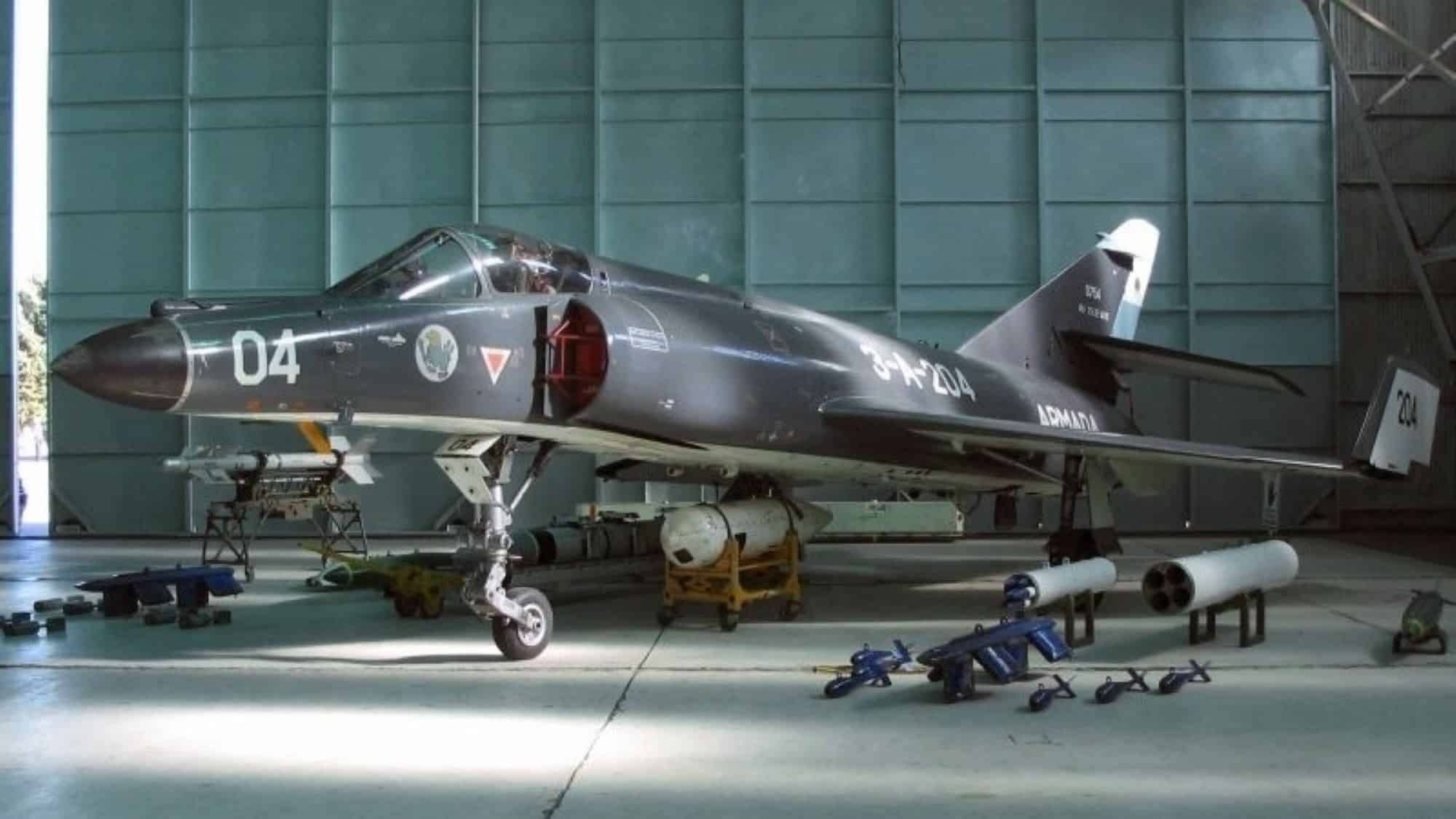 The retirement forms part of the Plan Dédalo, a five-year restructuring of Naval Aviation drawn up from a study begun in 2025 and approved by the Navy's General Staff
 Argentina's Navy has announced the definitive retirement of its Super Étendard strike aircraft, the French-built jets that attacked the British fleet with Exocet missiles during the 1982 Falklands war. The announcement was made on August 20 by the commander of Naval Aviation, Rear Admiral Román Enrique Olivero, at a ceremony at Punta Indio Naval Air Base. The withdrawal will take place this year, on a date yet to be set.
The first five aircraft arrived in the country in 1981 and were assigned to the Second Naval Fighter and Attack Squadron. Equipped with AM39 Exocet missiles, they took part in the attacks that sank the destroyer HMS Sheffield and the logistics ship Atlantic Conveyor. The official statement referred to “more than four decades of glorious historical trajectory” and to their performance in the conflict.
The aircraft had not flown for years because of a lack of spare parts and discontinued components. In 2018 Argentina bought five more from France, in the upgraded Super Étendard Modernisé version, with the aim of restoring naval strike capability. They arrived in May 2019 and never entered service.
Among the obstacles was the ejection seat system, made by the British firm Martin-Baker, whose pyrotechnic components required United Kingdom authorisation. London has maintained restrictions on military exports to Argentina since 1982, and that limitation affects any equipment incorporating British-origin parts, a recurring factor in Argentine armed forces procurement over the past four decades. The aircraft remained in storage at Comandante Espora Naval Air Base.
The retirement forms part of the Plan Dédalo, a five-year restructuring of Naval Aviation drawn up from a study begun in 2025 and approved by the Navy's General Staff. The programme provides for territorial reorganisation of units and bases, doctrinal updating and the incorporation of new assets: two P-3C Orion maritime patrol aircraft, the progressive replacement of Beechcraft B-200s by B-360s, Leonardo AW-109 helicopters replacing AS-555 Fennecs, and Shield AI V-BAT unmanned aerial vehicles.
With both versions withdrawn simultaneously, the Navy is left without fixed-wing combat aircraft and without its own air-launched anti-ship strike capability. The plan does not currently envisage a replacement of that type. The Argentine Air Force took delivery in 2024 of F-16 aircraft from Denmark, a transaction that also required authorisations relating to British-made components.
The Defence Ministry has not said what will become of the retired aircraft.


Top Comments
Disclaimer & comment rules-

Read all commentsArgentina's still fails to recognize the Illegality of Its Invasion of the Falklands. Shameful.
Aug 24th, 2026 - 09:37 am +3Commenting for this story is now closed.
If you have a Facebook account, become a fan and comment on our Facebook Page!