MercoPress. South Atlantic News Agency


Some 25,000 people are seeking housing in Cali two weeks after Colombia's earthquake
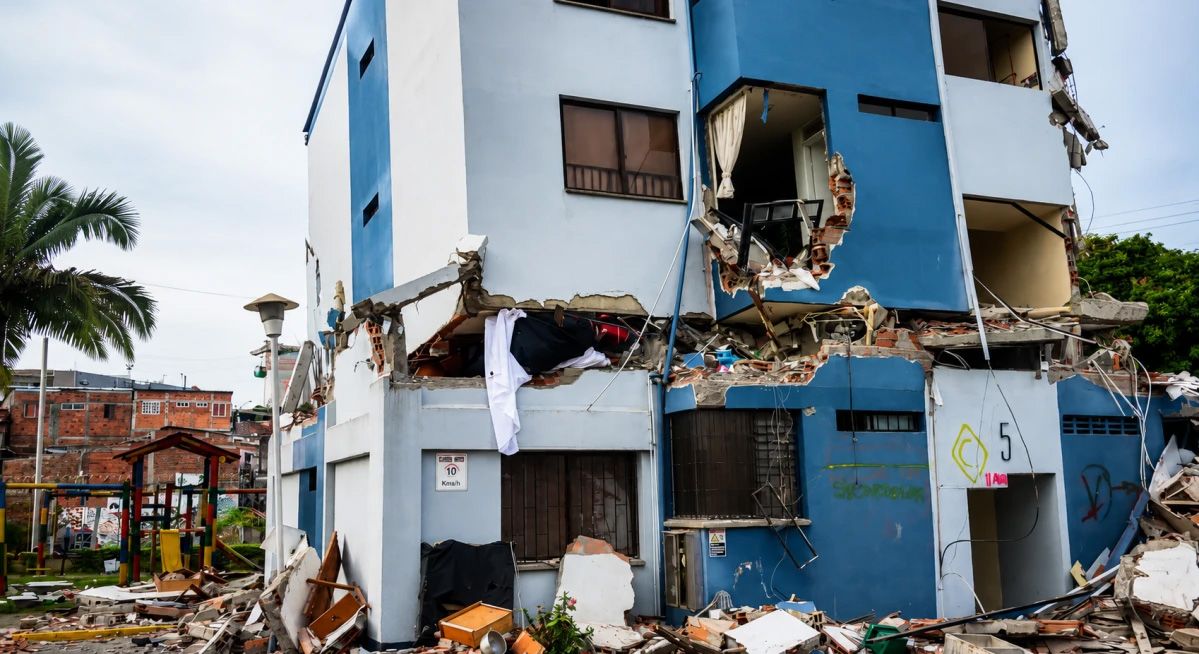 Among those seeking accommodation, the prevailing perception is of a generalised rise in prices
 The municipal survey in Cali, Colombia's third city with more than two million inhabitants, now covers 10,000 families affected by the magnitude 7.4 earthquake of August 10 and estimates around 25,000 people have been left without adequate housing. Many have spent recent days in shelters or with relatives while searching for a rental, in a market strained by the sudden loss of supply.
The city government has carried out detailed assessments of 920 buildings, of which 56 collapsed. Technical analyses place the greatest concentration of damage in commune 19, where close to 200 properties may end up being demolished.
Among those seeking accommodation, the prevailing perception is of a generalised rise in prices. “Rents have gone up in every neighbourhood,” says Laura del Mar Villada, 29, who left her flat in the El Limonar district on the day of the quake and has not yet been able to retrieve her belongings. Manuel Alejandro Molina, 40, who lived with his wife and three-month-old son in the south of the city, says properties that previously cost 2.8 million pesos a month are now being advertised at up to 3.8 million.
Available data, however, point to a localised effect. Economist Sebastián Súlez, a former finance secretary of Jamundí, compiled listings from sixteen portals and estate agencies across 63 neighbourhoods up to August 19 and compared them with a partial snapshot from August 9, the day before the earthquake. Of the eleven comparable neighbourhoods, six recorded falls, one held steady and four rose. In Bellavista, in the affluent western area, the median went from 4.1 to 4.8 million pesos, a rise of 17.1%; in Ciudad Meléndez, in the harder-hit south, prices fell 6.3%. These are asking prices set by landlords, not amounts finally agreed.
Property adviser Harold Andrés Millán observes that owners managing their own properties are asking between 25% and 30% more, while rents on company-managed stock have not changed. Along the corridor where buildings collapsed, he adds, supply and demand have fallen alike.
Mayor Alejandro Eder said days after the earthquake that rents in some areas had doubled and asked the national government for a temporary rent freeze. He also acknowledged a gap in support programmes aimed at middle-income households.
The Colombian Federation of Real Estate Boards clarified that the earthquake does not automatically terminate leases or exempt tenants from payment, though the Civil Code allows termination to be sought if a property becomes uninhabitable. According to the national statistics institute, four in ten Colombian households were renting in 2025, the highest share since at least 2019.


Top Comments
Disclaimer & comment rulesCommenting for this story is now closed.
If you have a Facebook account, become a fan and comment on our Facebook Page!