MercoPress. South Atlantic News Agency


Unemployment displaces inflation as Argentines' main concern
 Fear of job loss extends into households: 64% said they were concerned a member of their family could lose their job in the coming months
 Unemployment has become the leading problem Argentines want the government to solve, well ahead of inflation, according to the economic expectations report by the polling firm Opina Argentina released over the weekend. Thirty-six percent of respondents placed it first, followed by corruption on 32%, while inflation fell to 11% and insecurity to 9%.
Fear of job loss extends into households: 64% said they were concerned a member of their family could lose their job in the coming months. The survey was conducted online among 1,507 respondents across the country between August 7 and 11. The firm did not publish a margin of error.
Inflation's slide down the list of priorities coincides with a broader deterioration in expectations. Sixty percent of respondents believe their personal situation will worsen in the coming months, seven points more than in July and the highest reading since the end of Alberto Fernández's government. Six in ten of those who voted for Javier Milei and for current senator Patricia Bullrich in the 2023 elections share that outlook.
Household indicators match that perception. Forty-eight percent said they cannot make ends meet and only 18% managed to save over the past month. Sixty-two percent consider it a poor time to buy household appliances and 75% spent nothing on leisure such as cinema, theatre or restaurants. On prices, 55% expect inflation to accelerate and 22% expect it to fall; 63% say the government is not resolving the inflation problem. Fifty-seven percent expect the exchange rate to rise.
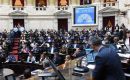
The survey also records majority rejection of the three economic bills the executive has sent to Congress: the Inviolability of Private Property Law, the Fiscal Innocence Law and the so-called Super RIGI, a scheme of incentives for large investments in new industries. In all three cases rejection exceeds 58%. The Chamber of Deputies is due to vote on Wednesday on the expansion of Fiscal Innocence, alongside the reform of the central bank's charter.
Other measurements point in the same direction. The Sociopolitical Monitor of the Applied Social Psychology Observatory at the University of Buenos Aires, compiled in July from 2,895 cases, put at 59% those who rate the economic situation as bad or very bad and likewise placed unemployment at the top of concerns.
Monthly inflation in July stood at 2.1%, arrears on credit to individuals reached 17.5% of total lending in June, and the country risk premium passed 470 basis points in August.


Top Comments
Disclaimer & comment rulesCommenting for this story is now closed.
If you have a Facebook account, become a fan and comment on our Facebook Page!