MercoPress. South Atlantic News Agency


A million square kilometres short: the ice ring around Antarctica keeps shrinking
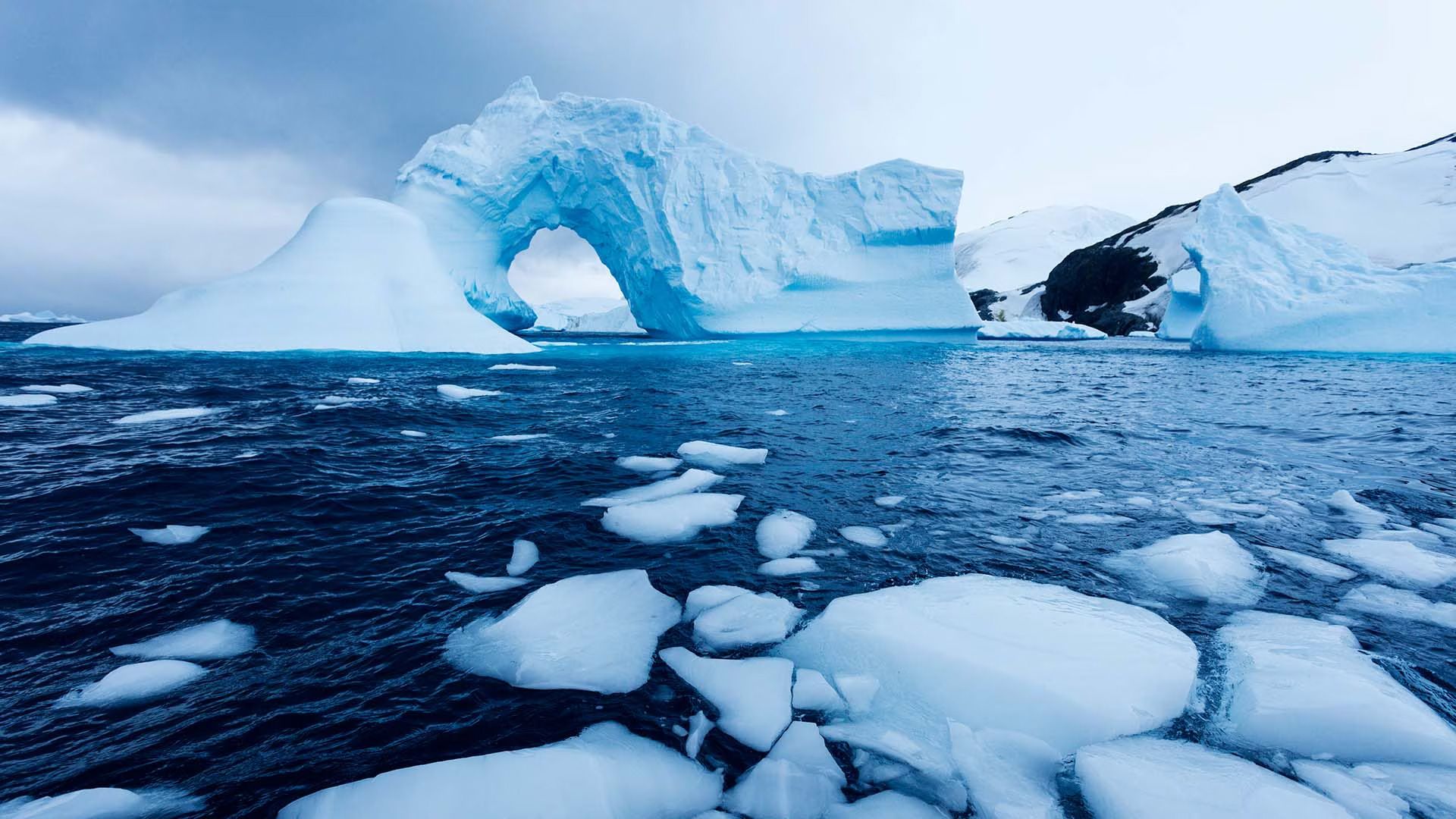 Extent peaked on September 14 at 17.59 million square kilometres, more than a million below the historical average
 The sea ice surrounding Antarctica reached its third-lowest winter maximum this year since satellite records began in 1979, according to the US National Snow and Ice Data Center. The four lowest maxima in the record have occurred in the last four years.
Extent peaked on September 14 at 17.59 million square kilometres, more than a million below the historical average. Only the winters of 2023 and 2024 recorded lower maxima. The centre took time to confirm the figure because Antarctic sea ice fluctuates considerably around its maximum; after that date, extent continued to decline.
Sea ice is frozen seawater that forms around the continent each winter and largely melts during the summer. Its retreat does not in itself raise sea levels, since it is already floating, but scientists track it as an indicator of the state of the Southern Ocean. With less ice, the ocean absorbs more heat and the ice shelves fringing the continent become more exposed to waves; those shelves act as a barrier slowing the flow of glaciers into the sea.
“After several decades of stable or increasing winter Antarctic sea ice conditions, it is concerning to see these low values persisting,” Lettie Roach, a climate scientist at Germany's Alfred Wegener Institute, told the specialist site Carbon Brief. According to Clare Eayrs of the Korea Polar Research Institute, July recorded the fifth-lowest extent on record and August the fourth-lowest, and all five of the lowest Julys have occurred since 2022. In the Bellingshausen Sea, the shortfall against the average reached about 650,000 square kilometres.
For Argentine glaciologist Lucas Ruiz, the records no longer represent an exception but a trend: very low anomalies have been observed since at least 2017, and winter extent has not exceeded the historical average since 2021. Diego Winocur, a researcher at the University of Buenos Aires, said the current El Niño may have played a role through changes in winds and storm tracks, though the specialists consulted agree it is not enough to fully explain the decline. Water temperature appears to be a decisive factor.
Until 2016, Antarctic sea ice had remained stable and even grown slightly, unlike in the Arctic. Scientists are still debating whether the decline of recent years marks a lasting shift.


Top Comments
Disclaimer & comment rulesCommenting for this story is now closed.
If you have a Facebook account, become a fan and comment on our Facebook Page!