MercoPress. South Atlantic News Agency



Brazil votes with Lula and Flávio Bolsonaro tied and a small group of undecided voters holding the key
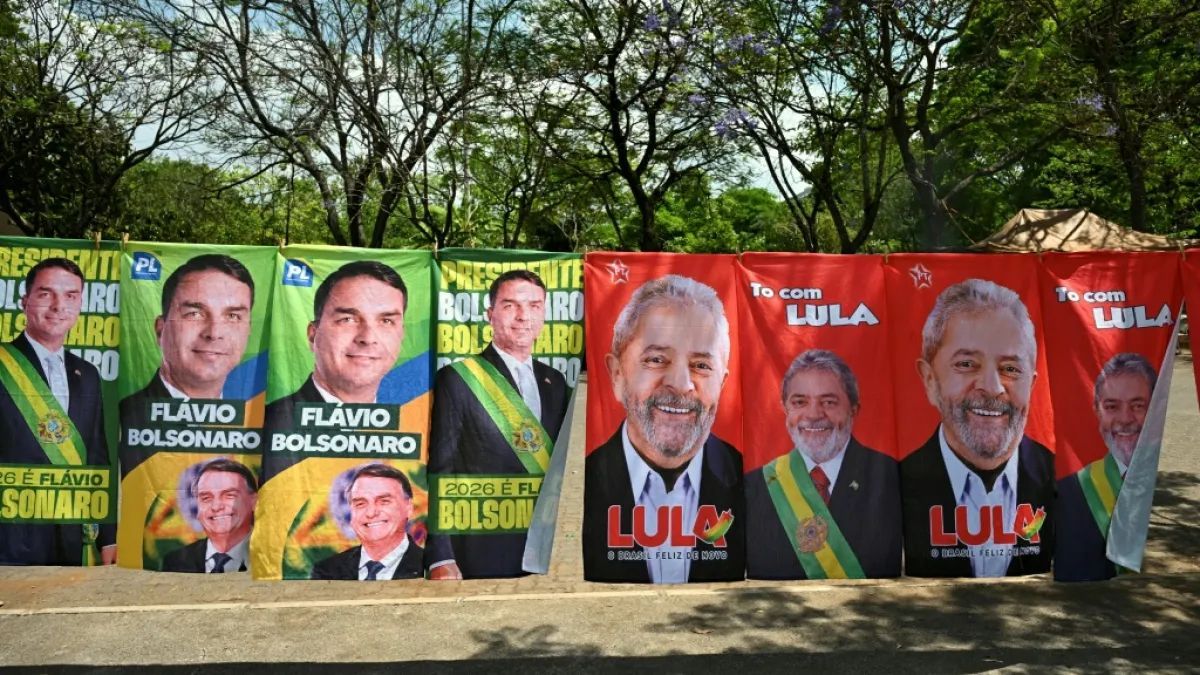
Brazil holds the first round of its presidential election on Sunday, with President Luiz Inácio Lula da Silva and Senator Flávio Bolsonaro tied in a prospective runoff and a narrow band of undecided voters, along with abstention, able to tip the result.
The latest polls show an electorate that has barely moved. Quaest's survey, published on Monday, gave Lula 39% and Bolsonaro 34% in the first round, and a 42% tie in the second, due on October 25. According to that poll, 5% of voters have yet to decide and 10% say they will vote blank, spoil their ballot or abstain. Datafolha, in last week's survey, put the undecided at 2%. The other candidates — Augusto Cury, Ronaldo Caiado, Renan Santos and Romeu Zema — total around 12% between them.
“The vote is already crystallised in at least 80% of the Brazilian population; the question is what the remaining 15 or 20% will do,” political scientist Leonardo Paz of the Getúlio Vargas Foundation told the newspaper El País, comparing the dynamics to US elections, where the contest is fought over specific niches of the electorate. The candidates focused their final events on the outskirts of São Paulo, Rio de Janeiro and Minas Gerais, the three states with the most voters.
In the last week, both reached out to voters wary of polarisation. “You don't need to dress in red, just think that Brazil can go further,” Lula said. “If you also want change, you don't have to like me,” Bolsonaro said. The only debate planned with both, on Thursday on TV Globo, was cancelled after both stayed away and a series of court rulings.
“I'll decide right there, in front of the ballot box,” Elza Mendes, a cleaner in Rio de Janeiro, told the same newspaper, torn between Bolsonaro's security pledges and her fear of cuts to social programmes.
Turnout will be another factor. Although voting is compulsory, abstention in the first round in 2022 reached about 21% of the electorate, the highest since 1998. Analysts warn it could be higher this year and would hurt Lula most, as his support is concentrated among lower-income groups, who abstain the most.
Besides the president, Brazilians will elect all 27 state governors, the entire Chamber of Deputies and two thirds of the Senate.


Top Comments
Disclaimer & comment rulesCommenting for this story is now closed.
If you have a Facebook account, become a fan and comment on our Facebook Page!