MercoPress. South Atlantic News Agency
US charges Maduro and Cilia Flores with torture and repression in Venezuela
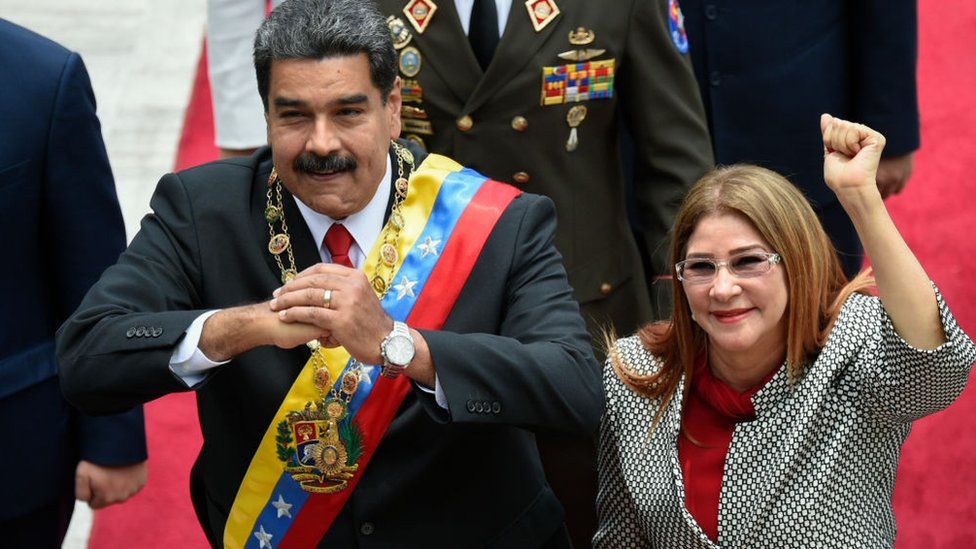 Maduro and Flores, held since January 3 following a US operation in Caracas and detained at the Metropolitan Detention Center in Brooklyn, have pleaded not guilty to all charges
 US federal prosecutors on Thursday brought new torture and repression charges against former Venezuelan president Nicolás Maduro and his wife, Cilia Flores, adding to the drug trafficking and narco-terrorism case both face in a New York court. The same day, the judge denied a request by Flores for house arrest on health grounds.
According to the indictment, between 1999 and 2025 Maduro, Flores and senior officials around them “created and maintained a violent system of repression” in Venezuela, in which thousands of people were detained, tortured or killed by state agents. Prosecutors allege that Maduro “presided over this system”, “ordered the unlawful detention and torture of specific individuals” and received reports on particular prisoners, and that Flores helped develop it. The filing attributes a role to the so-called colectivos — armed civilian groups aligned with chavismo — the FARC guerrilla and the Directorate General of Military Counterintelligence.
The new charges are based on testimony from at least three former senior officials of Maduro’s government, identified in the document by codes, who say they supervised or took part in torture, including of at least three US citizens. According to the indictment, victims suffered beatings, simulated drowning and electric shocks. Former military intelligence chief Hugo Carvajal, a co-defendant in the drug case, pleaded guilty in 2025 and has offered to testify.
Maduro and Flores, held since January 3 following a US operation in Caracas and detained at the Metropolitan Detention Center in Brooklyn, have pleaded not guilty to all charges. Their defence is seeking recognition of head-of-state immunity. Prosecutors respond that the United States never recognised Maduro as president and that acting president Delcy Rodríguez’s government has not sought, through diplomatic channels, either their release or their immunity. The issue will be addressed at a hearing on November 17; the trial is scheduled to begin on June 1, 2027.
Flores’s defence cited heart palpitations, epigastric pain and weight loss of around 11 kilograms, and proposed moving her to a private residence with guards and an electronic tag. Prosecutors opposed the request, citing an “extreme risk of flight” and saying she has refused some medical tests. The judge rejected the request but did not rule out revisiting it if her health deteriorates.
The UN Human Rights Council’s fact-finding mission has documented human rights violations in Venezuela committed since 2014.


Top Comments
Disclaimer & comment rulesNo comments for this story
Please log in or register (it’s free!) to comment. Login with Facebook