MercoPress. South Atlantic News Agency



New US Hemp Rules Take Effect December 11, Shifting Demand for South American Exporters
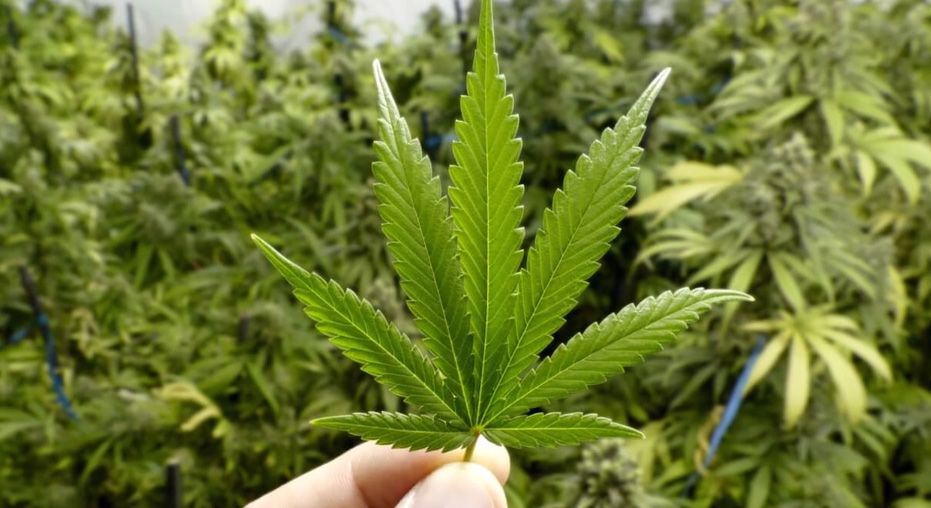
When new US hemp rules take full effect on December 11, the products with the clearest path forward will be non-intoxicating goods made with THC-free ingredients.
One example: The USDA-certified organic CBD gummies sold by Colorado-based Joy Organics, which uses third-party lab testing to confirm non-detectable THC. For hemp growers and extractors in Uruguay, Colombia, and Argentina, that is where US demand is now likely to concentrate.
The change comes from Section 781 of Public Law 119-37, signed in Washington in November 2025, which rewrites the federal definition of hemp for the first time since the 2018 Farm Bill. Compliance moves from delta-9 THC alone to total THC, which also counts THCA, and finished hemp-derived cannabinoid products are capped at 0.4 milligrams of total THC per container.
The law was due to take full effect on November 12. A short-term funding bill signed on September 2 pushed most of it to December 11, although cannabinoids that the plant cannot produce naturally still lose hemp status on the original date.
Flower shipments face the steepest test
South American exporters have sent raw hemp north for several years. Uruguay recorded its first hemp export in 2020, a shipment to Switzerland, and in 2023 a Uruguayan company sent 10 tonnes of CBD flower to the United States, the largest such shipment from the country to date.
Under the new standard, laboratories calculate total THC as delta-9 THC plus 0.877 times the THCA content. Flower that passed the old delta-9 test can fail the new one once THCA is counted, which makes raw plant material the most exposed part of the trade.
The wider US market faces a similar squeeze. The US Hemp Roundtable, an industry group, has estimated that the new definition would eliminate about 95% of existing hemp-derived cannabinoid products, and stakeholders expect the per-container cap to rule out most full-spectrum CBD products as well.
Where demand is likely to move
What remains is a narrower but steadier category: CBD and other non-intoxicating cannabinoids in finished products that stay under the cap. That favours THC-free inputs, chiefly CBD isolate and broad-spectrum distillate from which THC has been removed, over whole flower and full-spectrum oil.
Paperwork will matter as much as the product. US brands selling gummies, softgels and tinctures already publish lab reports for their own goods, and they are expected to demand the same from suppliers. Joy Organics, for example, makes its THC-free gummies in 10, 25 and 50 mg strengths under USDA organic certification and posts batch lab results online. An organic label in the US depends on certified organic ingredients, so that kind of documentation has to travel back up the supply chain to whoever grew and extracted the hemp, which gives growers with organic certification an opening.
The region starts from different positions. Colombia has permitted hemp production for medical and scientific purposes since 2016 and built a licensing system aimed at export. Argentina passed a law in 2022 creating a framework for medical cannabis and industrial hemp. In Brazil, rules issued by the health regulator Anvisa earlier this year allow authorised companies to grow hemp for medicinal and research purposes, including cultivation aimed at exporting plant material. Brazilian trade press has also reported Uruguayan suppliers turning toward Brazil's import market as the US tightens.
December 11 is not necessarily the last word. The delay is tied to the US funding bill, so the date coincides with the next government funding deadline in Washington, and industry groups are lobbying for a regulated framework rather than a ban.
For exporters, the practical reading is simpler. Shipments built around THC-free ingredients and batch-level testing fit the rules as written, while raw flower depends on what Congress does next.


Top Comments
Disclaimer & comment rulesCommenting for this story is now closed.
If you have a Facebook account, become a fan and comment on our Facebook Page!