MercoPress. South Atlantic News Agency

Venezuela uses US$12 billion in US-supervised oil revenue to prop up the bolívar
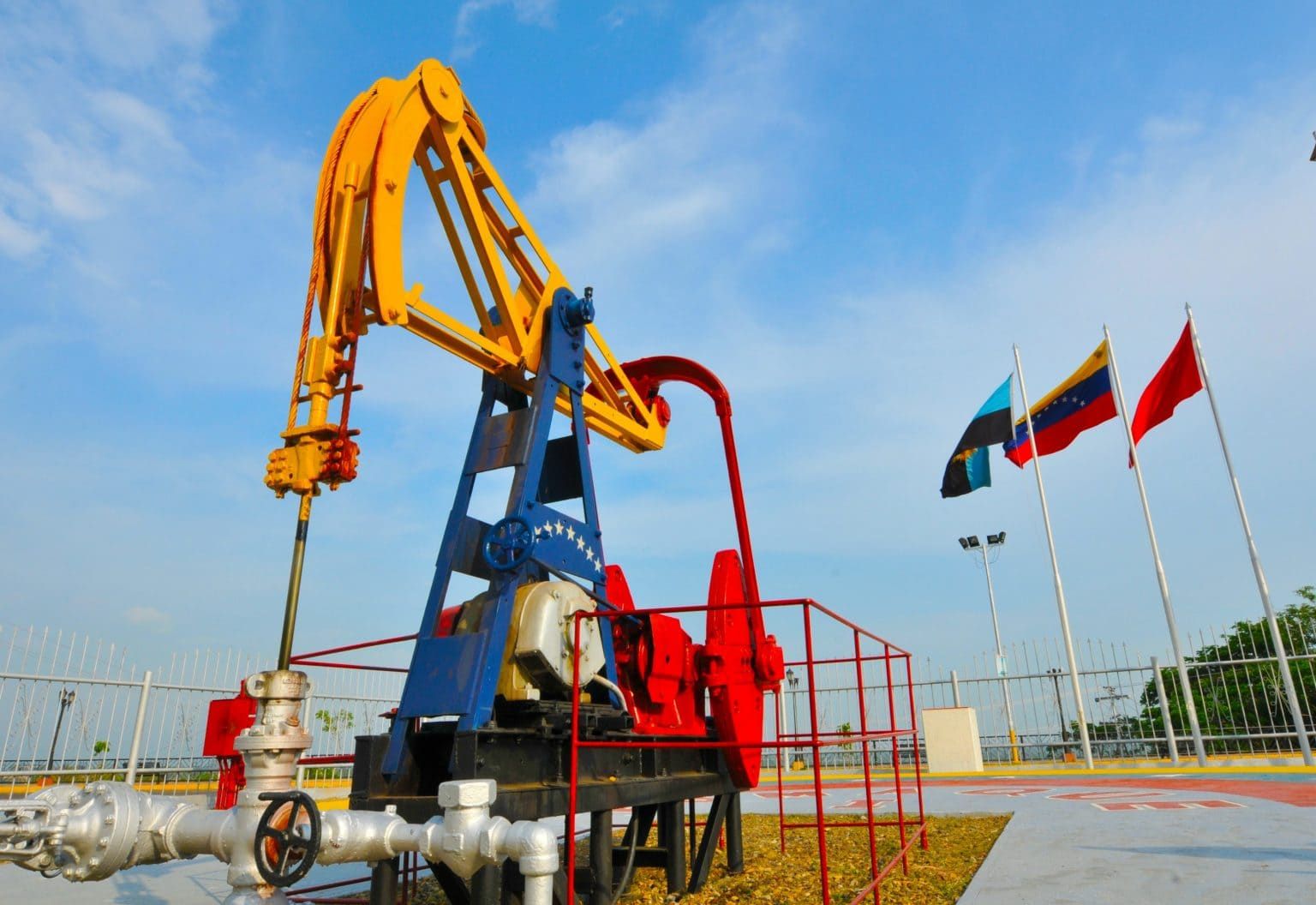 An oil pump jack in Venezuela, where crude sales under US oversight have funded dollar sales to prop up the bolívar.
Venezuela has spent most of the more than US$12 billion earned from oil sales under US supervision on propping up the bolívar, with modest results: inflation has slowed but remains the world's highest, and consumption has yet to recover.
Venezuela has spent most of the more than US$12 billion earned from oil sales under US supervision on propping up the bolívar, with modest results: inflation has slowed but remains the world's highest, and consumption has yet to recover.
According to a US State Department report cited by El País, the account through which Washington has supervised Venezuelan revenue since the January 3 military operation received US$12.263 billion by September 30, almost all from crude sales. Some 98.7% has already been disbursed at the request of Venezuela's Central Bank, which used it mainly to sell dollars to commercial banks to prevent shortages and keep the currency's price from soaring. Venezuela now sells its oil without discounts, at just over US$90 a barrel, and has raised output to 1.22 million barrels a day.
The intervention has had some effect. According to the Central Bank, October inflation was 6.2%, the lowest of the year and the third consecutive month below 10%. The bolívar lost 67% of its value against the dollar in the first ten months of the year, but over the past two months the decline has been around 6%, and the gap between the official and parallel dollar has narrowed from 50% in January to about 15%. Even so, prices rose 245% between January and October, and annual inflation stands at 376.9%. The minimum wage has been frozen at 130 bolívares since March 2022.
Economists blame the limited results on the design of exchange rate policy. “There are too many restrictions on access to the official market,” said Leonardo Vera, president of the National Academy of Economic Sciences, which pushes buyers to the parallel dollar and fuels prices. “The slowdown in inflation is very slow, too slow for the effort that has been made,” said José Guerra, a former opposition lawmaker and professor at the Central University of Venezuela. “The market does not trust the government's word.” Jesús Palacios, of the Andrés Bello Catholic University, called for a single exchange rate and fiscal reforms, with a deficit of 7.2% of GDP, according to that university's economic research institute.
The government of acting President Delcy Rodríguez last week signed a memorandum with ExxonMobil for the US oil company's return to the country.


Top Comments
Disclaimer & comment rulesNo comments for this story
Please log in or register (it’s free!) to comment. Login with Facebook