MercoPress. South Atlantic News Agency


Brazil's Central Bank sells US$1 billion to curb the dollar's rise
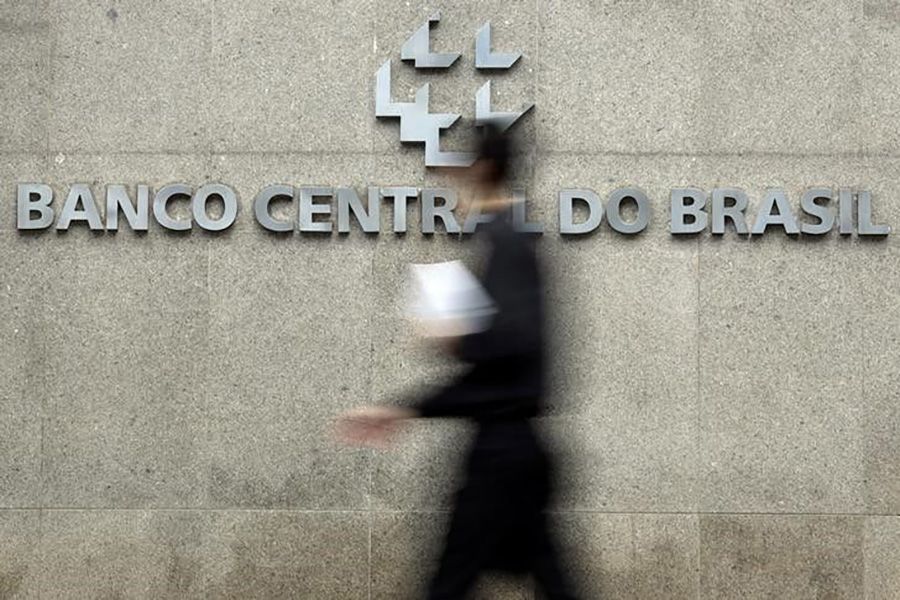 A person walks past the Central Bank of Brazil headquarters in Brasília.
Brazil's Central Bank sold US$1 billion from its international reserves on Thursday in an attempt to curb the rise of the US currency, which approached 5.93 reais, amid financial market distrust of the fiscal adjustment proposed by Luiz Inácio Lula da Silva's government. The move brought initial relief, but the dollar rose again in the afternoon.
Brazil's Central Bank sold US$1 billion from its international reserves on Thursday in an attempt to curb the rise of the US currency, which approached 5.93 reais, amid financial market distrust of the fiscal adjustment proposed by Luiz Inácio Lula da Silva's government. The move brought initial relief, but the dollar rose again in the afternoon.
The intervention follows several days of falls on the São Paulo stock exchange and a sharp depreciation of the real, which makes imports more expensive, especially fuel, and puts pressure on inflation. Investors doubt the government's ability to control spending and stabilise public debt, which exceeds 92% of gross domestic product.
The spending containment plan, already approved by the Senate, will be voted on next week in the Chamber of Deputies. The government estimated savings of between 50 billion and 60 billion reais in 2027, between US$8.4 billion and US$10.1 billion, although the figure may change due to amendments made in Congress. One of its pillars caps growth in public spending above inflation at 2% a year, down from the current 2.5%. Part of the market considers the plan insufficient.
The adjustment has drawn criticism from the Brazilian left, particularly from sectors to the left of the Workers' Party, who fear cuts to health and education. Lula said on Thursday that “some comrades” had not understood the proposal and pledged that, as long as he is president, “there will be no reduction in the rights the Brazilian people have won”. He told the market that he too wants fiscal control, but criticised the moves of recent days: “What is really happening is that there are people trying to make money from speculation, from rumours.”
Lula, re-elected on October 25, has not announced who will be his economy minister for the term that begins on January 5, another source of uncertainty. The current minister, Dario Durigan, expressed concern about the pace of the economy in 2027, although he ruled out a recession. According to the Central Bank's latest survey of analysts, published on November 16, growth will slow from 2.3% in 2025 to 1.7% this year and 1% in 2027. The benchmark Selic interest rate stands at 13.75% a year, after the Central Bank halted a cycle of five consecutive cuts in November.


Top Comments
Disclaimer & comment rulesNo comments for this story
Please log in or register (it’s free!) to comment. Login with Facebook