MercoPress. South Atlantic News Agency



The flag at waist height: the rules for visiting the Argentine Military Cemetery in the Falklands
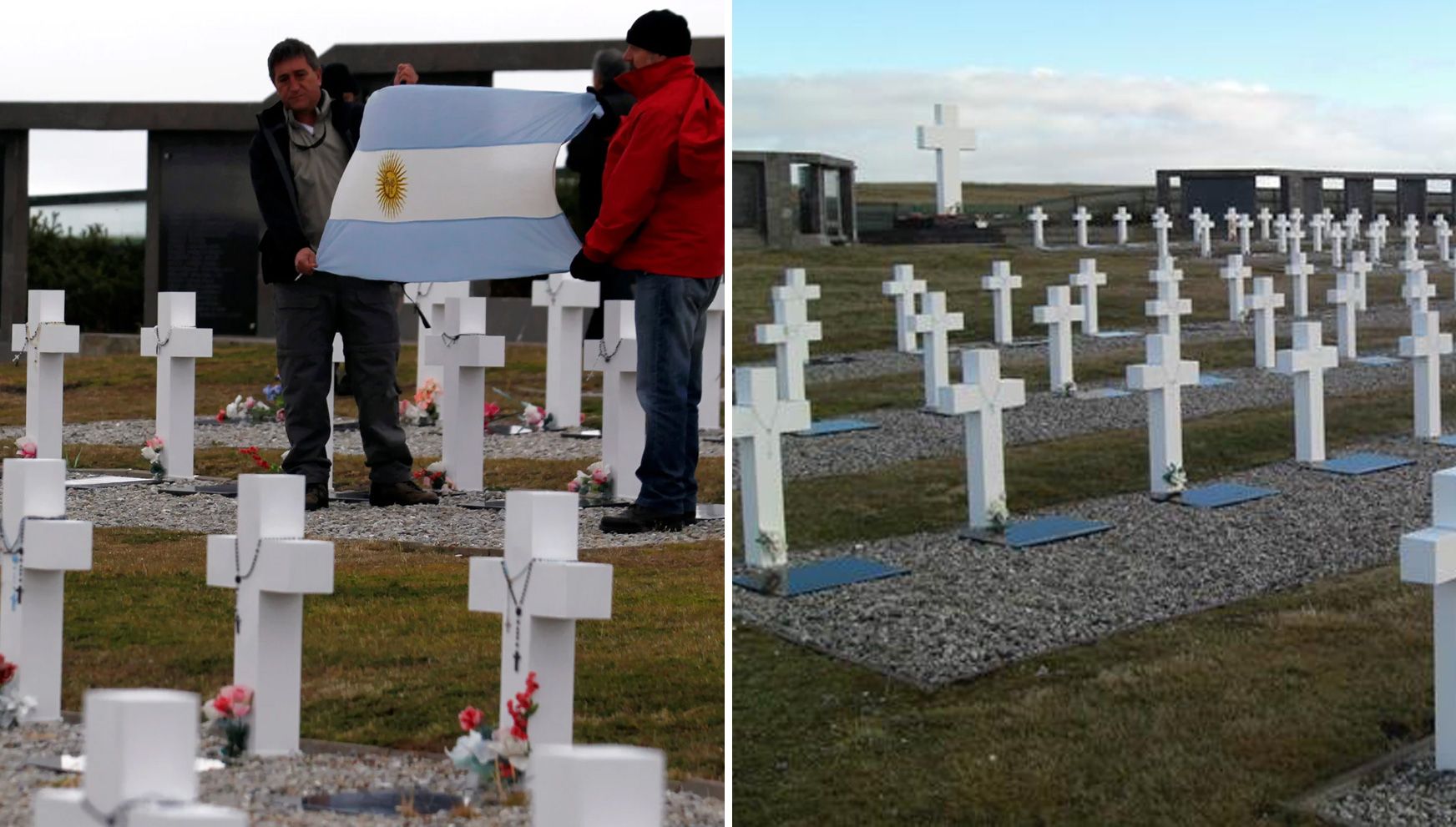 The rules allow the Argentine flag to be placed on a grave or cross, without inscriptions or political statements, although it may bear the name of the fallen or their unit
Tourism authorities in the Falklands have asked operators to remind visitors of the rules of conduct at the Argentine Military Cemetery at Darwin, while a programme to repair its stonework, which has deteriorated over time, is being drawn up. The rules, set out in a bilingual document, allow the Argentine flag to be placed on graves but consider holding it above waist height a political gesture.
The Falkland Islands Tourist Board circulated a message to tourism operators on Monday on behalf of Stanley Growers Limited, the company that carries out maintenance at the cemetery and liaises with those responsible for the site on its care. According to the text, “some of the stonework has deteriorated over time”, and a programme of repair and refurbishment is being developed “in consultation with the relevant parties responsible for the cemetery”. While that work progresses, the company asks visitors to treat the site and its structures “with appropriate care and respect”.
Operators are asked to have their guides and drivers brief visitors on the rules before arrival or give them a copy of the document, keep copies in vehicles and remind visitors of the rules during the visit. They must also ensure visitors do not touch, climb on, lean on or attach anything to the structures, observe temporary warning signs, barriers or safety tape, and report any damage or safety concerns. “The intention is not to restrict respectful visits to the cemetery,” the message stresses, but to protect the site while the condition of the stonework is assessed.
The attached document, bearing the letterhead of the Commission of Relatives of the Fallen in the Malvinas and South Atlantic Islands, states that its spirit is “to facilitate coexistence between the Islands and the Continent and consolidate the ties of Peace”. “This Cemetery, like all Military Cemeteries, is above national politics,” it says. “When someone dies in a battle wearing the uniform of their country, it does not matter which side or what colour the uniform is, the fallen have the right to due respect.” The text notes that the islanders respect the combatants' resting place and ask, in turn, that their own feelings be respected.
The rules allow the Argentine flag to be placed on a grave or cross, without inscriptions or political statements, although it may bear the name of the fallen or their unit. If held unfurled by hand, for example because of the wind, it must be kept no higher than the waist: holding it above that height “is considered a sample for political purposes and is not allowed”. Plaques may not be fixed to the crosses or to the wall of the cenotaph, which bears the 649 names of those who fell in the conflict, and inscriptions are banned. Visitors may move freely and take photographs. Those who break the rules “are exposed to being removed from the place and even deported”, the document warns.
The cemetery, near the settlement of Darwin on East Falkland, holds more than 230 graves of Argentine soldiers. Relatives inaugurated the cenotaph in 2004, and since 2017 a humanitarian project led by the International Committee of the Red Cross has identified more than a hundred soldiers buried without a name. Next year marks the 45th anniversary of the war, which the British Embassy in Buenos Aires has said will be commemorated “with respect and sensitivity” together with veterans and families from both countries.
Argentine Cemetery - Rules of Conduct by MercoPress


Top Comments
Disclaimer & comment rulesNo comments for this story
Please log in or register (it’s free!) to comment. Login with Facebook