MercoPress. South Atlantic News Agency



Live Streaming Creators Multiply Across Uruguay and Argentina as the Platform Economy Widens in Mercosur
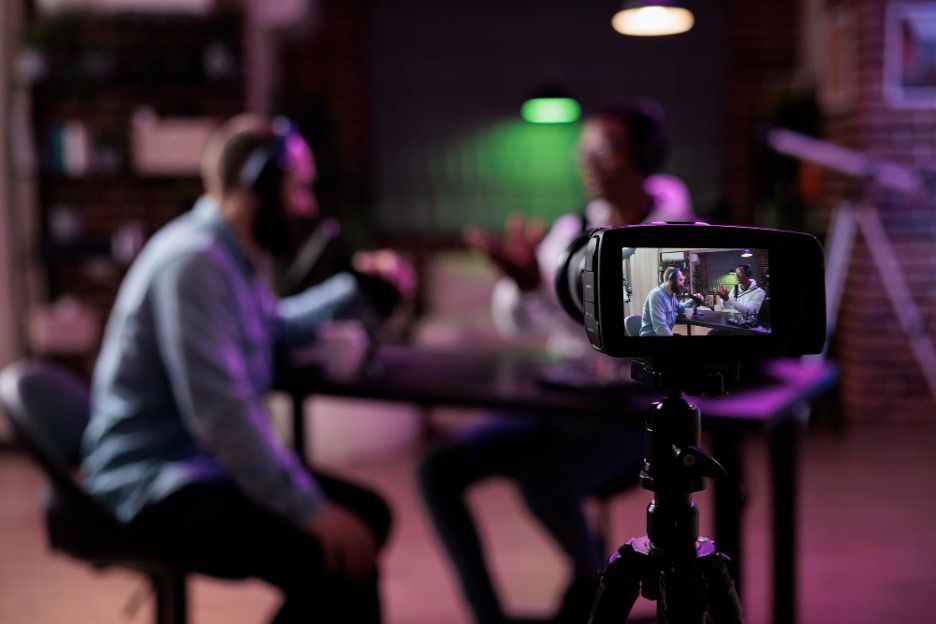
On a weekday morning in Buenos Aires, a surprising number of people under 35 are not listening to the radio or watching breakfast television. They have a YouTube tab open instead, where a group of hosts in a brightly lit studio are chatting, reading viewer messages out loud and laughing at their own jokes. Across the River Plate in Montevideo, a 24-year-old is setting up a ring light in her bedroom to stream a cooking show to a few hundred followers, some of them in Rosario, some in Porto Alegre.
Both scenes say something about how quickly live streaming has moved from a niche hobby to a real part of the media and work landscape on both banks of the river.
Argentina's Streaming Channels Grow Up
Argentina is where the shift is most visible. Over the past few years, digital-native channels such as Luzu TV, Olga and Blender have built audiences that would have seemed unthinkable for an internet project not long ago. Luzu and Olga now each have more than two million subscribers on YouTube, and their daily shows run on a schedule much like a traditional broadcaster, complete with hosts, guests, sponsors and commercial breaks.
The rivalry between the two biggest channels has become a story in its own right, followed in the entertainment press with the same intensity once reserved for the battle between Telefe and El Trece. In July this year, after the World Cup coverage wound down, Olga moved ahead of Luzu in monthly YouTube views.
What's striking is how far these outfits have travelled from the image of a few friends with a webcam. Several are branching out into scripted series and theatre, and their business models increasingly resemble those of television networks. Most of their hosts, though, are not trained journalists and don't present themselves as such. The appeal is the relaxed, conversational tone and the feeling that viewers are part of the show.
Uruguay's Advantage: The Pipes
Uruguay's streaming scene is smaller, as you would expect in a country of around three and a half million people, but it sits on some of the best connectivity in the Americas. State-owned Antel has spent years pushing fibre optic cable deeper into the country, and in June 2026 it announced that every town with more than 1,000 inhabitants was now connected to fibre, a first on the continent.
For creators, that matters more than it might sound. Stable upload speeds mean a young musician in Tacuarembó or a gamer in Salto can go live without the stream freezing every few minutes. Some of the more interesting Uruguayan streams come from small towns, with hosts talking about rural life, football, local food or the slow rhythm of the interior.
Many Uruguayan streamers lean on the much larger Argentine audience next door. The shared accent, humour and cultural references make the crossover feel natural, and a creator who catches on in Buenos Aires can suddenly find their audience several times bigger.
Why the Numbers Keep Rising
Several forces are at work.
Young audiences are drifting away from linear television and radio, and advertisers have noticed. Brands that once bought only TV spots now set aside part of their budgets for streaming shows and individual creators.
Economics also looks different in this part of the world. In Argentina, where inflation and currency swings have long squeezed household incomes, the chance to earn in foreign currency through global platforms, sponsorships or international fans is a powerful draw. For a student in Córdoba, a few hundred dollars a month from streaming can make a real difference.
And there's simply more variety now. Alongside entertainment and gaming, viewers can find streams on personal finance, language learning, cooking, fitness and politics. Live shopping is beginning to appear too, with small businesses showing products on camera and answering questions in real time.
A Wider Mercosur Market
The growth isn't confined to the two countries. Brazil already has one of the largest creator economies in the world, and Paraguayan creators are building their own followings. Within Mercosur, that creates an unusually connected audience, divided mostly by language rather than borders.
Some of that cross-border contact happens away from big broadcasts entirely. Younger users in particular are mixing streaming with one-to-one video chats, meeting people from neighbouring countries to practise Portuguese or Spanish or just compare notes on music and football. Some do it through Omgfun online, where conversations are matched by shared interests and live translation helps when vocabulary runs short. The platform economy, in other words, is about everyday connection as much as ad revenue.
The Challenges Ahead
Not everything about the boom is smooth. Audience measurement is still a work in progress, and industry analysts in Argentina have warned that some viewer counts may be inflated by bots. Most creators earn modest, irregular incomes, and the pressure to go live every day can lead to burnout. Questions about labour rights, taxation and platform payouts are only starting to be discussed by regulators in the region.
There's also the matter of dependence. Many creators rely almost entirely on a single platform, and a change in algorithm or payment rules can wipe out a big chunk of their income overnight.
What Comes Next
Even so, few people expect the trend to reverse. Better connectivity, a young population comfortable on camera and a growing advertising market point in the same direction. On both sides of the River Plate, live streaming is no longer a curiosity. It has become a workplace, a stage and, for many, a new way of talking to the rest of the region.


Top Comments
Disclaimer & comment rulesCommenting for this story is now closed.
If you have a Facebook account, become a fan and comment on our Facebook Page!