MercoPress. South Atlantic News Agency



Brazil's Central Bank lowers inflation forecast for 2025
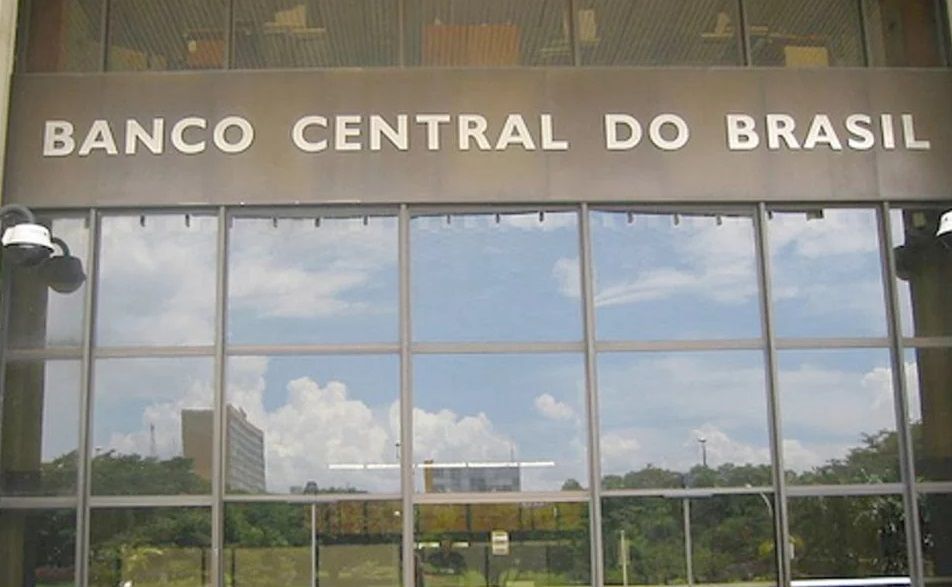 Although lower than before, Brazil's inflation remains slightly above the targeted ceiling
 Brazil's Broad National Consumer Price Index (IPCA) projections for this year have slipped from 4.45% to 4.43%, according to the latest issue of the weekly Focus Bulletin (FB) released by the Central Bank (BCB) on Monday. The IPCA is tantamount to the country's inflation index.
Additionally, the Bulletin foresaw the IPCA between 4.17% and 4.18% in 2026, with 3.8% and 3.5% estimates for 2027 and 2028, respectively.
It was the third consecutive week that the forecast was reduced after October's inflation turned out to be the lowest for the month in almost 30 years. With this, the estimate reached the range of the inflation target that should be pursued by the BCB.
Defined by the National Monetary Council (CMN), the target is 3%, with a tolerance range of 1.5 percentage points above or below. That is, the lower limit is 1.5% and the upper limit is 4.5%.
The reduction in electricity bills pulled official inflation down, causing the IPCA to close October at 0.09%, the lowest for the month since 1998, according to the Brazilian Institute of Geography and Statistics (IBGE). In September, the index had reached 0.48%. In October 2024, the variation had been 0.56%.
With this result, the accumulated inflation over 12 months is 4.68%, the first time in eight months it fell below 5%, albeit still above target.
To achieve the inflation target, the Central Bank uses the basic interest rate – the Selic rate – set at 15% per year by the Monetary Policy Committee (Copom) of the Central Bank as its main instrument. The decline in inflation and the slowdown in the economy led to the maintenance of the Selic rate for the third consecutive time at the last meeting last month.
However, the committee does not rule out the possibility of raising interest rates again “if it deems it appropriate”.
The BCB issued a statement noting that the external environment remained uncertain due to the economic situation and policy in the United States, with repercussions on global financial conditions. With Brazil's inflation still larger than acceptable despite the slowdown in economic activity, ¡interest rates will remain high for quite some time.
Market analysts estimate that the basic rate will end 2025 at 15% per year. By the end of 2026, the expectation is that the Selic rate will fall to 12% per year. For 2027 and 2028, the forecast is that it will be reduced again to 10.5% per year and 9.5% per year, respectively.
When the Copom increases the Selic rate, the purpose is to contain heated demand; this has repercussions on prices because higher interest rates make credit more expensive and encourage saving. Thus, higher rates can also hinder economic expansion. Banks also consider other factors when setting interest rates charged to consumers, such as the risk of default, profit, and administrative expenses.
When the Selic rate is reduced, the tendency is for credit to become cheaper, incentivizing production and consumption, reducing control over inflation, and stimulating economic activity. (Source: Agencia Brasil)


Top Comments
Disclaimer & comment rulesCommenting for this story is now closed.
If you have a Facebook account, become a fan and comment on our Facebook Page!