MercoPress. South Atlantic News Agency



Chilean Army Captain dies in paragliding accident
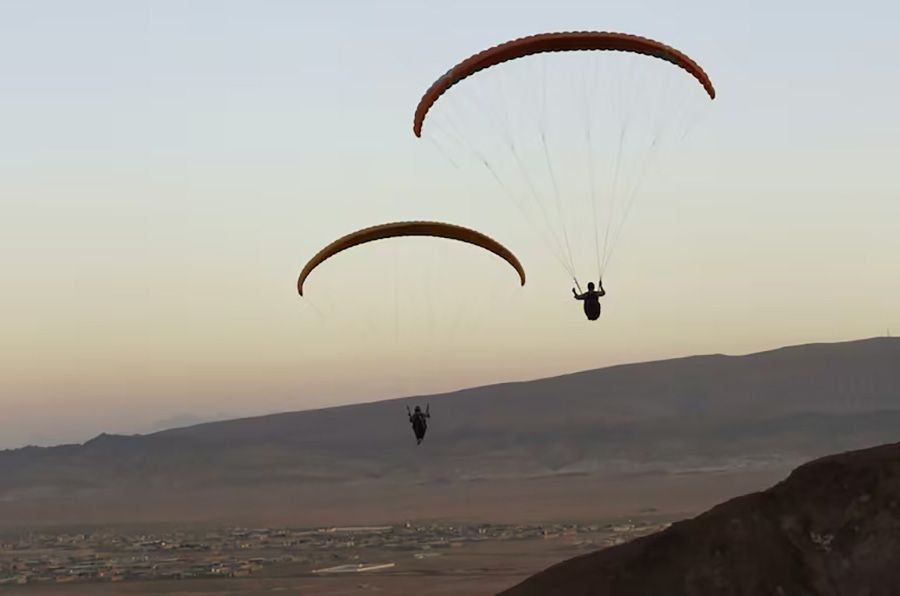 Parallel investigations are being conducted by local prosecutors and the DGAC
 An active-duty Chilean Army captain died on Friday after crashing his paraglider on a hillside south of Iquique, in the area known as Palo Buque. The location is frequently used for paragliding training. Chilean regulations treat paragliding as a form of non-conventional flight, requiring adherence to strict safety protocols, formal certification, and respect for established airspace rules.
The victim was identified as Captain Gustavo Martínez Fuenzalida of the North Joint Command of the Army's VI Division. The military officer was reportedly engaged in paragliding during his time off when he lost control of the glider during his descent.
Emergency teams and fire rescue units immediately responded to the scene. Despite their efforts, rescue maneuvers were unsuccessful, and the captain was pronounced deceased at the site. The accident area has been cordoned off as authorities investigate.
Chile's General Directorate of Civil Aeronautics (DGAC) confirmed the accident. Its Air Accident Investigation team was to conduct a formal inquiry into the crash.
“The VI Division of the Army informs of the regrettable and sensitive passing of Captain Gustavo Martínez Fuenzalida (Q.E.P.D.), who, this Friday, December 5, while practicing paragliding in the Palo Buque sector, crashed, losing his life at the scene,” a statement read.
The Army further noted it would fully support the Iquique Local Prosecutor's Office's review of the incident and conveyed its condolences to the family.
In Chile, paragliding is regulated under the DGAC, which sets the rules and standards for all flying sports, ensuring compliance with national and international aeronautical norms. Pilots must obtain a valid certification or license. This typically involves completing training at an authorized school and passing theoretical and practical exams. Licenses must be renewed regularly. Training must be conducted by schools or institutions certified and registered under the DGAC to ensure minimum safety standards.
All gear must meet international standards and be subject to periodic technical reviews and maintenance, given its limited lifespan. Additionally, pilots must abide by regulations regarding restricted or prohibited airspace, particularly near airports, military zones, and certain urban areas. Flying is strictly restricted under dangerous weather conditions. Pilots are responsible for checking forecasts and adhering to wind and visibility limits specified by their license level and equipment. There are also specific rules governing minimum safe altitudes over populated areas and restrictions on flying too close to other aircraft or obstacles. Any serious incident must be immediately reported to the DGAC.


Top Comments
Disclaimer & comment rulesCommenting for this story is now closed.
If you have a Facebook account, become a fan and comment on our Facebook Page!