MercoPress. South Atlantic News Agency



Chile's new era with Kast in power
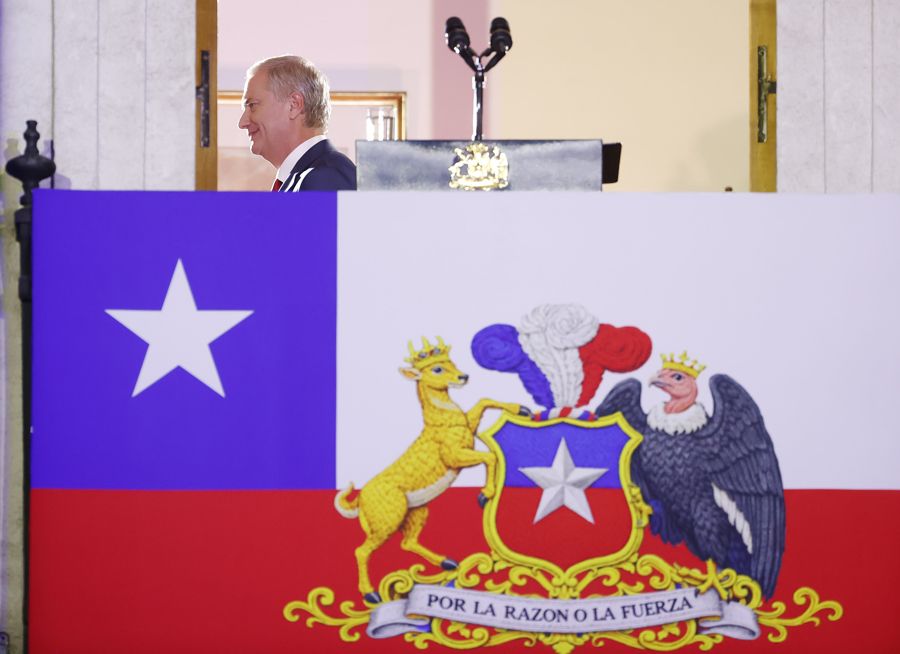 The new president’s arrival marks Chile’s sharpest move to the right since the end of the dictatorship. Photo: Elvis González/EFE
 Chile entered a new political phase on Wednesday with the inauguration of José Antonio Kast, the most conservative figure to reach La Moneda since the return to democracy. Kast was sworn in at Congress in Valparaíso and then moved to the presidential palace, where he defended the idea of an “emergency government” and said he was receiving “a country in worse conditions than we could have imagined.”
In his first hours in office, Kast sought to signal immediate action through a batch of decrees focused on border control, public spending audits, reconstruction in fire-hit areas and faster permitting. Chilean media reported that six initial measures were signed, in line with the 90-day plan his team had prepared before the transfer of power.
One of the most discussed gestures of the day was his use of a presidential sash bearing the national coat of arms, a decision that had already sparked controversy before the inauguration. Emol reported weeks earlier that the change had triggered objections and filings before the comptroller’s office, while critics linked it symbolically to imagery associated with the military regime.
The make-up of the new cabinet also reinforced the sense of political shift. Kast came to power backed by a broad coalition of right-wing forces, but built a team with a strong presence of independents and conservative figures in key areas such as the interior, finance, defence and justice portfolios. El País noted that this mix appeared designed to balance governability with ideological identity at the start of the administration.
The ceremony brought together more than a thousand guests and reflected the new regional alignment of the Chilean government. Among those attending were Spain’s King Felipe VI and Argentine President Javier Milei, one of Kast’s closest ideological allies. The new president’s arrival marks Chile’s sharpest move to the right since the end of the dictatorship.
The contrast with Gabriel Boric’s departure was another defining theme of the day. Boric left office after four years marked by partial reforms, political attrition and a closing stretch filled with personal and symbolic gestures. The end of his presidency was framed as the farewell of a new left that had come to power promising structural change and that now hands government to a hard-right leadership prioritising security, migration and state authority.
The main question now is how much room Kast will have to sustain an emergency agenda without immediately opening deeper ideological fronts. His first decisions pointed to order, control and management, but both the symbolism of his arrival and the profile of parts of his team suggest a government that will be watched closely, inside and outside Chile.


Top Comments
Disclaimer & comment rulesCommenting for this story is now closed.
If you have a Facebook account, become a fan and comment on our Facebook Page!